Step-by-Step Guide to Cleaning a Semi-Automatic Pistol
Maintaining a semi-automatic pistol is essential for ensuring reliable performance, safety, and longevity of the firearm. Whether you are a seasoned shooter or a novice gun owner, understanding how to properly clean your semi-automatic pistol is critical. Neglecting cleaning can lead to malfunctions such as misfires, jamming, or even dangerous accidental discharges. This comprehensive guide will walk you through every step of the cleaning process, backed by expert advice, relevant statistics, and practical tips.
Why Regular Cleaning of Your Semi-Automatic Pistol Is Crucial
Regular maintenance and cleaning of your semi-automatic pistol are more than just routine chores; they directly impact the firearm’s reliability and safety. According to a study published by the National Shooting Sports Foundation (NSSF), approximately 60% of firearm malfunctions reported in competitions and training sessions are related to inadequate cleaning and lubrication.
Residue from gunpowder combustion, dirt, dust, and moisture can accumulate inside the barrel and action over time. This buildup can cause corrosion or mechanical failures that compromise accuracy and safety. Proper cleaning:
- Ensures reliable cycling and feeding of rounds
- Reduces the risk of jams and misfires
- Prevents corrosion and rust formation
- Extends the lifespan of the firearm components
- Maintains optimal accuracy by keeping the barrel clean
For example, competitive shooters often clean their pistols after every match to maintain peak performance. Law enforcement officers typically have regimented cleaning schedules due to the high-stakes nature of their work.
Gathering Necessary Tools and Safety Preparations
Before beginning the cleaning process, it is essential to prepare your workspace with all necessary tools and ensure maximum safety. Cleaning should always be done in a well-ventilated area free from distractions.
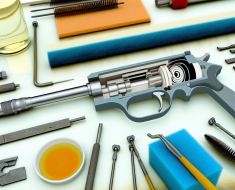
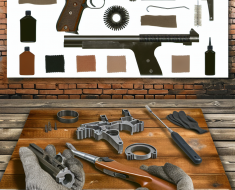
Essential tools for cleaning a semi-automatic pistol include:
- Bore brush: Usually brass or nylon bristles sized appropriately for your caliber (e.g., 9mm bore brush for a 9mm pistol)
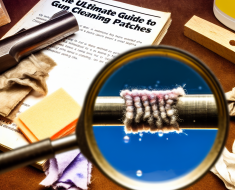
- Patches: Small cloth patches used to apply solvent and oil inside the barrel
- Cleaning rod or cable: A rod or flexible cable to push brushes and patches through the barrel
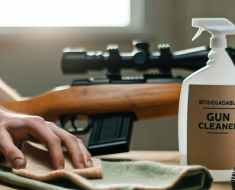
- Solvent: Gun-specific solvents designed to break down carbon fouling and powder residue
- Lubricant/oil: High-quality gun oil that protects metal parts against corrosion while providing smooth operation
- Nylon or brass picks/brushes: For scrubbing tight spaces such as the slide rails or extractor areas
- Lint-free cloths: For wiping down exterior surfaces
- Screwdriver or punch set: Some models require minor disassembly with these tools (refer to your manufacturer’s manual)
Safety precautions before starting:
- Unload your pistol completely. Remove magazine and visually inspect chamber multiple times to confirm it is empty.
- Work in a well-lit area.
- Avoid inhaling solvents. Use gloves if desired.
- No live ammunition near cleaning area.
An estimated 40% of accidental discharges during handling occur when individuals assume their firearms are unloaded. Always verify twice before proceeding.
Dismantling Your Semi-Automatic Pistol Safely
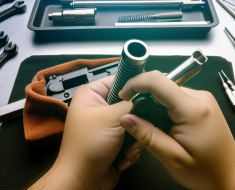
The first hands-on step in cleaning your pistol involves disassembling it into its main components: usually slide, barrel, recoil spring assembly, and frame. The exact process varies between manufacturers (Glock vs. SIG Sauer vs. Smith & Wesson), so always consult your owner’s manual for model-specific instructions.
A general dismantling procedure includes:
- Remove magazine: Press magazine release button and take out magazine.
- Clear chamber: Pull back slide fully; visually inspect chamber is empty.
- Lock slide open if possible: Engage slide stop lever to hold slide back.
- Release slide lock lever or takedown lever: Depending on model, this allows you to separate slide from frame.
- Remove recoil spring assembly: Carefully compress spring slightly and lift out (some models have captured springs).
- Remove barrel from slide:
This level of disassembly allows better access for thorough cleaning of each part. For instance, Glock pistols use a simple takedown lever without tools; whereas older designs like the M1911 require partial field stripping with punches.
The Cleaning Process: Step-by-Step Instructions
1. Clean the Barrel
The barrel is arguably the most critical component affecting accuracy. Residue buildup inside can degrade shot consistency significantly.
Follow these steps for effective barrel cleaning: Saturate a bore brush with solvent and scrub the interior of the barrel thoroughly to remove any fouling.
Regular maintenance ensures your semi-automatic pistol remains reliable and performs optimally.