Reloading Primer Seating Techniques: Mastering the Art of Precision and Safety
Reloading ammunition is a meticulous craft that combines science, precision, and safety. Among the various stages involved in reloading, primer seating is a critical step that can significantly influence the performance and reliability of your ammunition. Proper primer seating ensures consistent ignition, accuracy, and safe operation of your reloaded rounds. This article delves into the nuances of primer seating techniques, exploring best practices, common pitfalls, and expert tips to help reloaders achieve optimal results.
The Importance of Proper Primer Seating in Reloading
Primers are small but vital components that ignite the powder charge inside a cartridge case. The seating depth and uniformity of primers directly affect the ignition process and, consequently, the overall performance of the round.
Improperly seated primers can lead to several issues:
- Misfires or hangfires: If the primer is seated too shallowly or not aligned correctly, it may fail to ignite or ignite inconsistently.
- Increased pressure variations: Overly deep seating can increase chamber pressure dangerously, risking firearm damage or injury.
- Inconsistent accuracy: Variations in primer seating depth can lead to erratic ignition timing and inconsistent muzzle velocities.
A study by the National Institute of Justice highlighted that consistent primer seating contributes to more uniform velocity spreads in ammunition batches, which translates to better shot-to-shot consistency and accuracy. This underscores why reloaders must prioritize perfecting their primer seating techniques.
Types of Primers and Their Seating Considerations
Before diving into techniques, it’s essential to understand different primer types and how they impact seating approaches.
- Box Primers: These are traditional primers packaged in cardboard boxes. They are typically larger and may require careful handling to avoid deformation during seating.
- Tape Primers: Mounted on a tape strip for automated priming machines; they demand consistent feeding but less manual handling.
- Bench Primers: Loose primers handled individually; commonly used by handloaders for maximum control.
- Large Rifle/Small Rifle & Large Pistol/Small Pistol Primers: These designations refer to size differences that affect seating depth settings on dies.
The dimensions and hardness of different primers influence how much force is required for proper seating. For example, magnum primers often need slightly deeper seating due to their thicker cups. Additionally, hard primers can be prone to deformation if seated too aggressively.
Essential Tools for Primer Seating
The right tools are fundamental for achieving consistent primer seating depths and avoiding damage to primers or cases. Here are some indispensable tools used by reloaders:
- Priming Dies: These screw into your reloading press and are designed specifically for pressing primers into cases with controlled depth and force.
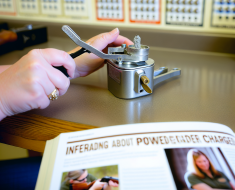
- Hand Priming Tools: Manual devices like hand priming tools offer greater tactile feedback and control over each primer’s insertion depth.
- Tapered Primer Pocket Reamers: Used to clean or uniform the primer pocket before seating to ensure consistent depth.
- Calipers or Depth Gauges: Precision measuring tools help verify consistent primer seating depths across batches.
A survey conducted by “Precision Reloading Magazine” showed that reloaders who use priming dies with adjustable stops report a 30% reduction in misfires compared to those using hand tools alone. This emphasizes how equipment choice impacts reliability.
Step-by-Step Guide to Effective Primer Seating Techniques
This section breaks down best practices in primer seating from preparation through final inspection:
1. Case Preparation
The first step is ensuring your brass cases have clean, uniform primer pockets. Any residue or uneven surfaces can cause inconsistent seating depths.
- Clean Primer Pockets: Use a pocket cleaner or reamer tool after depriming each case.
- Inspect for Damage: Discard cases with cracked or damaged pockets as they may not hold primers securely.
2. Selecting the Right Primer Seating Depth
The ideal primer should sit flush with or slightly below the case head surface without deforming the cup. Most reloading manuals provide recommended depths based on cartridge type; however, these may vary based on individual components used.
- A good rule of thumb is that the primer should not protrude above the case head by more than 0.002 inches (0.05 mm).
- If using magnum primers, check manufacturer specifications as they may require slightly deeper seating due to thicker cups.
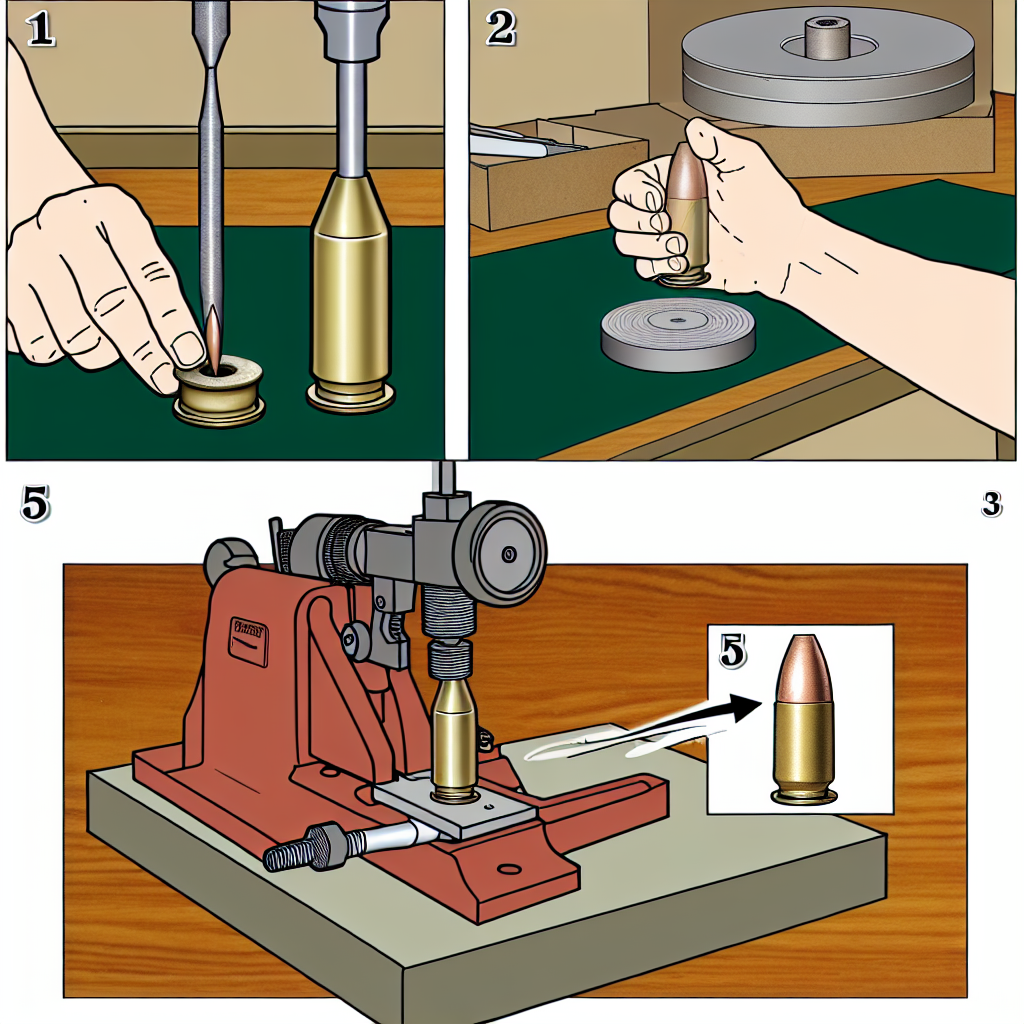
3. Using Priming Dies Correctly
If using a priming die attached to a press:
- Screw the die into your press until it just contacts a loaded case (without applying pressure).
- Slightly back off or adjust until the desired primer depth is achieved during testing on sample cases.
- If possible, use dies with adjustable stops for precise control over seating depth consistency across multiple rounds.