Reloading Bench Safety Checklist: Ensuring a Safe and Efficient Reloading Process
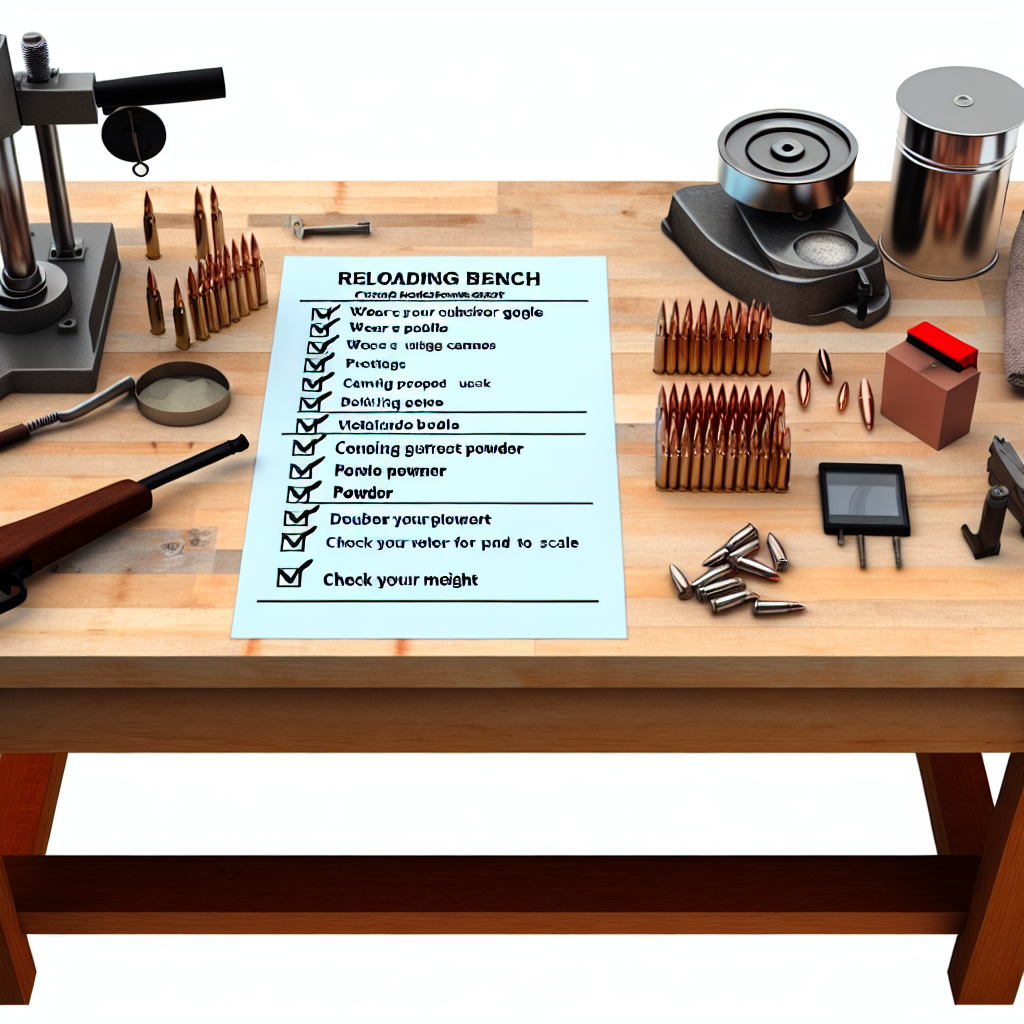
Reloading ammunition is a rewarding and cost-effective hobby that allows shooters to customize their loads for accuracy, performance, and economy. However, reloading involves handling explosive materials such as primers, powder, and bullets, which necessitates strict adherence to safety protocols. Whether you are a novice or an experienced reloader, maintaining a safe reloading bench environment is critical to prevent accidents and ensure consistent results.
This comprehensive article presents a detailed Reloading Bench Safety Checklist, outlining best practices, safety tips, and practical advice for setting up and maintaining your reloading workspace. We will also explore real-world examples and statistics to emphasize the importance of safety in this precise craft.
Understanding the Importance of Reloading Bench Safety
Reloading ammunition can be inherently dangerous if proper precautions are not followed. According to the Sporting Arms and Ammunition Manufacturers’ Institute (SAAMI), accidental primer ignition or powder mishandling can lead to serious injuries or even fatal accidents. A study by the National Shooting Sports Foundation (NSSF) found that nearly 10% of reported shooting sports accidents involved reloading errors or unsafe practices.
Ensuring your reloading bench is safe not only protects you but also safeguards your equipment and those around you. A well-organized and hazard-free workspace reduces the risk of contamination, misfires, or explosions caused by careless handling of components. Reloading safety is also about consistency—safe environments promote repeatable results by minimizing distractions and errors.
Setting Up Your Reloading Bench: Essential Safety Considerations
A properly designed reloading bench is the foundation of safe ammunition assembly. Here are key elements to consider when setting up your bench:
- Location: Choose a well-ventilated area with minimal foot traffic to reduce distractions and exposure to fumes from powders or primers.
- Surface Material: Use non-static, fire-resistant materials such as laminated wood or metal for your work surface to minimize fire hazards.
- Lighting: Ensure ample lighting to clearly see small components like primers and powder grains.
- Organization: Arrange tools, dies, powders, primers, and brass in clearly labeled containers or compartments to avoid mix-ups.
- Electrical Safety: Avoid using extension cords near your bench; ensure electrical outlets are grounded properly for any powered equipment.
A clutter-free space helps prevent accidental spills or mixing of powders—a common cause of hazardous situations in reloaders’ workshops.
The Reloading Bench Safety Checklist: Step-by-Step Guidelines
The following checklist covers essential safety steps before, during, and after the reloading process:
- Personal Protective Equipment (PPE):
- Wear safety glasses at all times to protect against primer detonations or powder splashes.
- Use hearing protection if operating noisy presses or nearby firearms.
- Avoid loose clothing and jewelry that can catch on equipment.
- Consider wearing nitrile gloves when handling powders or primers to prevent skin irritation.
- Component Inspection:
- Check all brass casings for cracks, splits, or signs of corrosion before use.
- Verify powder type and quantity using a calibrated scale; never substitute powders without consulting reliable load data sources like Hodgdon or Lyman manuals.
- Inspect primers for dents or damage that could cause misfires.
- Equipment Maintenance:
- Regularly clean dies, presses, and powder measures to prevent buildup that can cause malfunction.
- Tighten all bolts securely but avoid over-tightening which can damage tools.
- Lubricate moving parts as recommended by manufacturer guidelines.
- Avoid Cross-Contamination:
- Use dedicated scoops for each type of powder; never use hands directly in powder containers.
- Keeps powders stored separately in original containers with clear labels.
- Avoid mixing primers from different manufacturers unless load data explicitly allows it.
- No Smoking or Open Flames:
- The presence of flammable powders means no smoking or open flames near the bench under any circumstances.
- Create a “No Smoking” zone with clear signage around your workspace if necessary.
- Handling Primers Safely:
- Store primers in cool, dry places away from impact sources; handle gently as they are sensitive explosives.
- Avoid dropping primer trays; dropped primers can ignite on impact causing dangerous detonations.
- Double-Check Loads Before Firing:
- Create a detailed logbook documenting powder types, charges, bullet weights, seating depths, and case brands for each batch loaded.
-
If possible, use a checklist to ensure all safety measures are followed each time you reload.
By adhering to these safety practices, you can create a safer reloading environment and minimize risks effectively.