How to Reload .45 ACP for Self-Defense: A Comprehensive Guide
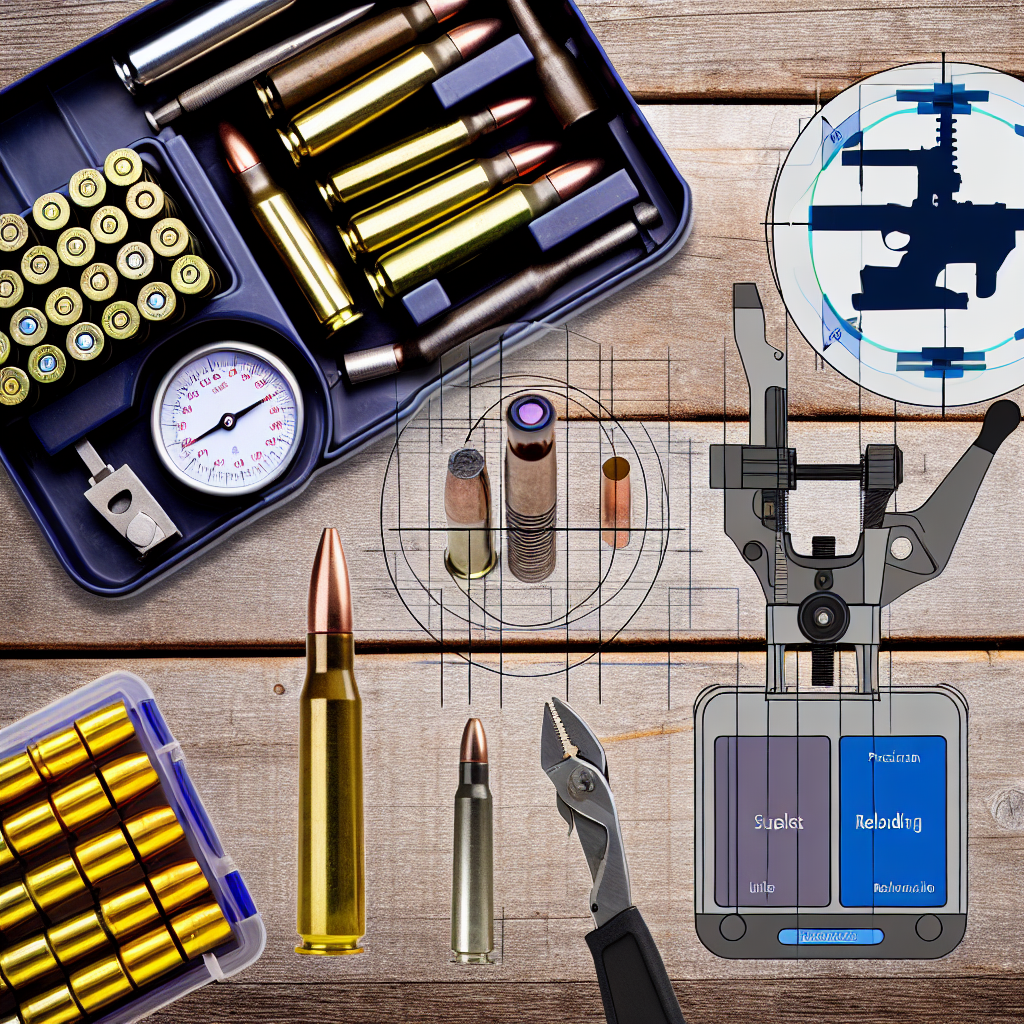
The .45 ACP (Automatic Colt Pistol) has long been revered as one of the most reliable and effective handgun cartridges for self-defense. Known for its stopping power, manageable recoil, and widespread availability, it remains a favorite among law enforcement, military personnel, and civilian shooters alike. However, factory ammunition can be costly or scarce at times, prompting many enthusiasts to explore the art of reloading their own .45 ACP rounds.
Reloading offers numerous advantages including cost savings, customization of loads tailored to your firearm’s characteristics, and ensuring a consistent supply of quality ammunition. This article will provide a detailed roadmap on how to reload .45 ACP specifically for self-defense purposes while emphasizing safety, precision, and reliability.
Understanding the Basics: Why Reload .45 ACP for Self-Defense?
Before diving into the practical steps, it’s important to understand why one might choose to reload their own .45 ACP ammunition for self-defense:
- Cost Efficiency: Reloading can reduce ammunition expenses by up to 50% compared to factory-loaded rounds, especially for high-volume shooters.
- Customization: Reloaders can tailor bullet weights, powder charges, and primers to optimize performance for specific firearms and personal preferences.
- Availability: During times of ammo shortages or supply chain disruptions—as seen during recent years—reloaders maintain access to reliable ammunition.
- Consistency: Handloading allows for greater control over cartridge dimensions and powder charges resulting in consistent velocity and accuracy.
For self-defense, reliability is paramount. Reloaded rounds must be tested thoroughly to ensure flawless function in critical situations. Understanding these benefits sets the foundation for mastering reloading techniques with safety as the highest priority.
The Essential Equipment and Components Needed
Reloading .45 ACP requires specific equipment and components tailored to this cartridge’s unique characteristics. Here’s what you need:
- Reloading Press: A single-stage press is ideal for beginners due to its simplicity and control. Popular models include the Lee Classic Cast or RCBS Rock Chucker Supreme.
- Dies Set: A dedicated .45 ACP die set (usually includes resizing/depriming die, bullet seating die, and crimping die) is essential for proper case resizing and bullet seating.
- Powder Scale: Precision scales capable of measuring charges down to hundredths of a grain are critical for safety and consistency.
- Calipers: Digital calipers measure overall cartridge length (OAL), case dimensions, and bullet seating depth accurately.
- Primers: Small pistol primers designed specifically for handgun cartridges like the .45 ACP.
- Pistol Powder: Fast-burning pistol powders such as Hodgdon Titegroup or Alliant Power Pistol work well in moderate charges suitable for self-defense loads.
- .45 ACP Brass Cases: Quality brass cases that have been inspected for damage or excessive wear. Remanufactured brass is acceptable if inspected thoroughly.
- Bullets: Selecting bullets designed explicitly for self-defense such as hollow points from reputable manufacturers like Hornady Critical Defense or Speer Gold Dot ensures terminal performance.
A clean workspace with good lighting along with safety glasses and gloves completes your setup. Remember that meticulous organization reduces errors when handling multiple components simultaneously.
The Step-by-Step Process of Reloading .45 ACP
The reloading process consists of several key stages designed to refurbish spent brass into reliable new cartridges ready for use. Each step must be performed methodically to ensure safety and effectiveness:
1. Case Inspection & Cleaning
The first step is examining each spent case carefully for cracks, dents, or deformities that could cause malfunctions or dangerous failures. Cases that fail inspection should be discarded immediately.
A thorough cleaning using a tumbler or ultrasonic cleaner removes carbon buildup and residue from previous firing cycles. Clean cases resize more reliably and prevent die damage.
2. Resizing & Depriming
The resizing die restores the case back to factory dimensions so it chambers correctly in your firearm. Simultaneously, spent primers are ejected using the depriming pin inside the resizing die.
This step is crucial because fired brass expands slightly during firing; resizing ensures consistent chambering pressure during subsequent firings.
3. Priming
A new primer is seated into each cleaned primer pocket using a hand priming tool or press-mounted priming system. Proper primer seating depth prevents misfires while maintaining ignition consistency.
4. Charging With Powder
Powder measurement must be exact—too little powder can cause squib loads that fail to cycle the firearm properly; too much can lead to catastrophic pressure spikes risking injury or damage.
- A typical self-defense load uses between 4.5 grains to 5.0 grains of fast pistol powder (e.g., Hodgdon Titegroup).
- Pistol powders chosen should burn cleanly with minimal residue buildup inside barrels—a consideration crucial during defensive scenarios when quick follow-up shots may be necessary.
Always double-check your measurements and ensure that your reloading equipment is calibrated for safety and accuracy. Properly reloaded ammunition can significantly enhance your self-defense preparedness.