Reloading and the Impact on Accuracy and Reliability
Reloading ammunition has been a popular practice among firearm enthusiasts, hunters, and competitive shooters for decades. It involves manually assembling cartridge components—such as bullets, powder, primers, and cases—to create customized ammunition tailored to specific needs. While factory-made ammunition offers convenience and standardization, reloading offers unparalleled control over performance characteristics. This article explores how reloading impacts the accuracy and reliability of firearms, providing insights into the benefits, challenges, and best practices of this intricate craft.
The Fundamentals of Reloading: What It Entails
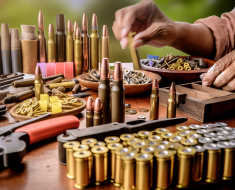
Reloading ammunition is a process that requires precision, attention to detail, and an understanding of ballistic principles. At its core, reloading involves four primary components:
- Case: The brass or steel shell that holds all other components.
- Primer: The ignition source that sparks the powder charge.
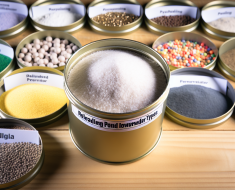
- Powder: The propellant that generates gas pressure to propel the bullet.
- Bullet: The projectile expelled from the firearm barrel.
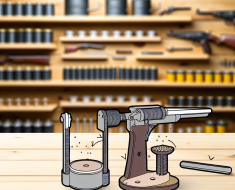
Each component can be varied in type and quantity during the reloading process, allowing shooters to fine-tune loads for specific firearms or shooting purposes. Reloaders often use specialized equipment such as presses, dies, powder measures, and scales to ensure consistency in every round produced.
How Reloading Enhances Accuracy
Accuracy is arguably the most important factor for any shooter. It refers to how close a group of shots lands to each other and the intended target point. Reloading allows shooters to optimize their ammunition for maximum precision by controlling variables often overlooked or standardized in factory ammo.
Tuning Loads for Specific Firearms
No two firearms are exactly alike—even within the same model line—and their unique characteristics can affect how different loads perform. By experimenting with powder charges, bullet seating depths, primer types, and bullet weights, reloaders can identify “sweet spots” that deliver tighter groupings.
A well-documented example comes from competitive benchrest shooters who reload ultra-precise cartridges such as the .308 Winchester or 6mm PPC. According to a study by the National Benchrest Shooters Association (NBSA), custom handloads can reduce group sizes by up to 30% compared to factory ammunition due to tailored load tuning.
The Role of Consistency in Reloading
Consistency is critical for accuracy. Variations in powder charge weight or bullet seating depth can cause fluctuations in muzzle velocity and point of impact. Reloaders use precise scales capable of measuring powder charges down to hundredths of a grain and micrometers for seating depth adjustments.
- Powder Charge Precision: Even minor differences (0.1 grain) can shift point-of-impact significantly at longer ranges.
- Bullet Seating Depth: Altering seating depth affects pressure and bullet alignment with rifling grooves.
- Primer Selection: Different primers influence ignition consistency and pressure curves.
The more uniform these variables are controlled during reloading, the more predictable each shot becomes—resulting in improved shot-to-shot accuracy.
The Impact of Reloading on Reliability
Reliability refers to a firearm’s ability to consistently function without malfunctions such as misfires, failures to eject or feed properly, or squibs (bullets lodged in barrels). While factory ammo undergoes rigorous quality control standards designed for reliability across many firearm platforms, reloaded ammo’s reliability depends heavily on meticulous preparation by the individual reloader.
Avoiding Common Reliability Issues Through Proper Techniques
Certain errors in reloading can compromise reliability drastically. For example:
- Overcharging Powder: Excessive powder amounts can cause dangerous overpressure situations leading to firearm damage or injury.
- Undercharging Powder: Insufficient powder may cause light loads that fail to cycle semi-automatic actions reliably.
- Incorrect Seating Depth: Improperly seated bullets might cause feeding jams or erratic chamber pressures.
- Poor Case Preparation: Dirty or worn cases increase risks of misfires or case ruptures during firing.
The National Rifle Association’s Ammunition Safety Guidelines emphasize that reloaders should always adhere strictly to published load data from reputable sources like Hodgdon or Sierra Bullets. Deviations without proper testing increase risk significantly.
The Benefits of Custom Reloads on Functionality
When done correctly, custom handloads not only maintain but often improve reliability because they are optimized for specific firearms rather than mass-produced with generic tolerances. For instance:
- Semi-automatic pistols can benefit from tailored loads with reliable cycling power without excessive recoil stress on components.
- Bolt-action rifles used in hunting benefit from rounds that minimize fouling while delivering consistent chamber pressures for smooth operation under field conditions.
- Muzzleloaders using custom black powder substitutes achieve greater ignition consistency through controlled primer and powder blends developed via handloading techniques.
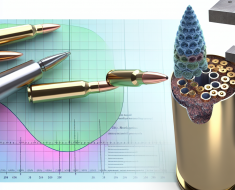
The Science Behind Accuracy: Ballistics and Load Development A deep understanding of internal ballistics—the processes occurring inside the firearm upon firing—is essential for effective load development. This knowledge allows reloaders to fine-tune their loads to achieve the desired performance.
In conclusion, reloading can enhance both accuracy and reliability when approached with care and precision.