How to Choose the Right Dies for Reloading
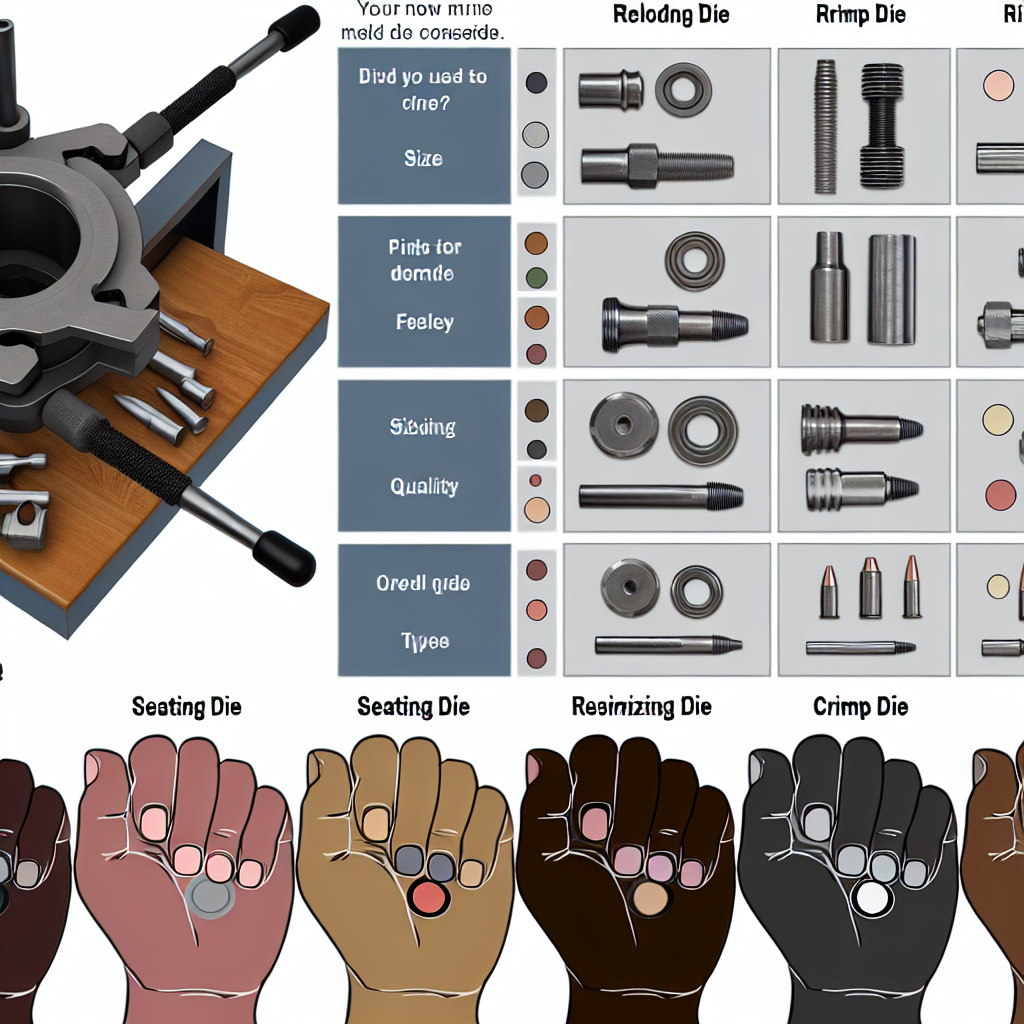
Reloading ammunition is a rewarding and cost-effective hobby that allows shooters to customize their loads for optimal performance. Central to this process are the reloading dies, which shape, resize, and seat bullets into cartridge cases. Selecting the right dies is crucial not only for the quality of your reloads but also for safety and efficiency. With a wide range of dies available on the market, understanding how to choose the appropriate ones can be overwhelming for beginners and even experienced reloaders.
In this comprehensive guide, we will explore everything you need to know about choosing the right dies for reloading. From understanding die types and calibers to considering materials and brand reputation, we’ll provide you with practical insights, backed by examples and expert advice.
Understanding Reloading Dies: Types and Functions
Before diving into selection criteria, it’s essential to understand what reloading dies are and what each type does in the reloading process.
- Full-Length Sizing Die: This die resizes the entire case back to factory dimensions. It is essential for used brass that may have expanded after firing, ensuring reliable chambering in any firearm.
- Neck Sizing Die: Only resizes the neck of the case, leaving the rest of the case dimensions unchanged. This is often used when reloading ammunition that will be fired in the same rifle multiple times.
- Expanding Die: Expands the case mouth slightly so a bullet can be seated easily without damaging the brass.
- Bullet Seating Die: Seats the bullet into the case at a precise depth, often with an adjustable seating stem for varying overall cartridge lengths (OAL).
- Crimping Die: Applies a crimp to secure the bullet firmly in place, preventing bullet movement during handling or recoil.
The combination of these dies depends on your specific reloading needs. For example, some sets combine expanding and seating functions into one die. Understanding these roles helps you identify which dies are necessary for your intended use.
Choosing Dies Based on Caliber and Cartridge Type
Selecting dies starts with identifying your caliber or cartridge type because dies are designed to match specific cartridge dimensions exactly. Using incorrect dies can result in improperly sized cases or damaged brass.
Key considerations include:
- Caliber Specificity: Always choose dies made specifically for your cartridge (e.g., .223 Remington, .308 Winchester). Even slight dimensional differences can affect case resizing and bullet seating.
- Semi-Auto vs. Bolt-Action Cartridges: Some cartridges used in semi-automatic rifles require more extensive resizing (full-length sizing) due to higher pressures and chamber differences. Bolt-action cartridges may benefit from neck sizing only if used repeatedly in the same rifle.
- Pistol vs. Rifle Dies: Rifle cartridges generally require different die designs compared to pistol cartridges because of differing case lengths, pressures, and bullet diameters.
Example Case Study:
A competitive shooter who reloads .223 Remington rounds for an AR-15 platform would benefit from full-length sizing dies due to varying chamber dimensions across different rifles. Conversely, a hunter who reloads .308 Winchester rounds exclusively for one bolt-action rifle might prefer neck sizing dies to extend brass life by minimizing unnecessary resizing stress on cases.
Material Quality and Construction: Longevity Matters
The material quality of your reloading dies directly affects their durability, precision, and performance over time. Choosing well-made dies ensures consistent results and reduces wear on your brass cases.
- Steel Quality: Most premium die sets are made from hardened steel or carbide steel inserts for increased wear resistance. Hardened steel resists deformation better than soft steel or aluminum variants commonly found in cheaper kits.
- Coatings: Some dies come with coatings such as nickel plating or titanium nitride (TiN). These coatings reduce friction during resizing and bullet seating operations, leading to smoother operation and less brass galling.
- Tolerances: Precision manufacturing with tight tolerances ensures uniform resizing and consistent bullet seating depths—critical factors in accuracy-focused reloading.
A study by a popular reloading magazine found that carbide-tipped sizing dies significantly reduced friction during resizing compared to conventional steel dies—improving ease of use and extending die life by up to 50% under heavy use conditions.
Selecting Dies According to Reloading Press Compatibility
Your choice of reloading press influences which die sets you should buy since not all dies fit all presses equally well. Compatibility ensures safe operation without risking damage or poor-quality reloads.
- Screw Thread Size: Most standard presses use a #7-14 thread size for their dies; however, some specialty presses may require different thread sizes or adapters.
- Die Height Adjustment: Some presses offer micrometer adjustments that allow precise control over die depth—a feature that pairs well with high-end die sets offering fine adjustment capabilities.
- Tandem Dies vs Single Station Presses: For progressive presses that perform multiple operations simultaneously (e.
g), tandem dies can enhance efficiency by streamlining the reloading process. Ultimately, choosing the right dies will lead to better performance and accuracy in your reloading endeavors.