How to Customize Your Reloading Setup for Efficiency
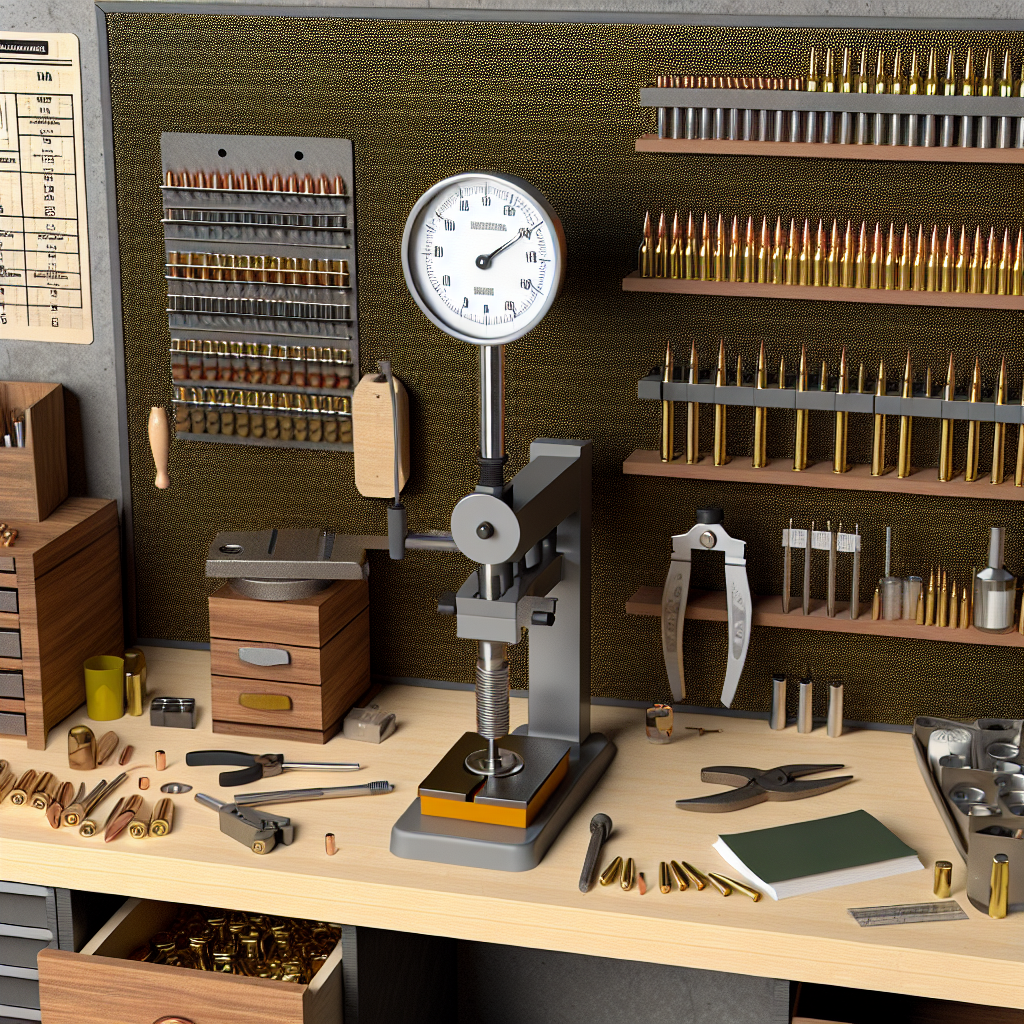
Reloading ammunition is a rewarding hobby that allows shooters to tailor their loads for precision, cost savings, and self-sufficiency. However, an inefficient reloading setup can turn this enjoyable task into a time-consuming and frustrating process. Customizing your reloading setup to maximize efficiency not only saves time but also improves consistency and safety.
In this article, we will explore practical strategies to optimize your reloading bench, tools, and workflow. Drawing on expert advice, real-world examples, and industry data, you’ll learn how to create a personalized setup that meets your unique needs.
Understanding the Importance of an Efficient Reloading Setup
Reloading ammunition involves multiple steps—from cleaning and resizing cases to priming, powder charging, bullet seating, and crimping. Each step requires attention to detail and can introduce bottlenecks if your workspace or equipment is not well organized.
According to a survey conducted by Reloading Press Magazine, experienced reloaders report spending between 30% to 50% less time on each batch when their workspace is optimized for efficiency. This improvement translates into hours saved over the course of producing hundreds or thousands of rounds.
Beyond saving time, an efficient setup reduces errors such as double charging powder or inconsistent bullet seating depths—both of which can compromise safety and accuracy. Therefore, customizing your setup isn’t just about speed; it’s about enhancing quality and peace of mind.
Designing Your Reloading Bench: Ergonomics and Organization
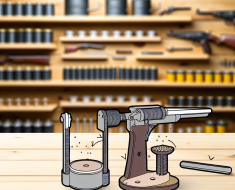
The foundation of an efficient reloading setup is a well-designed bench tailored to your space and workflow preferences. Here are key considerations:
- Bench Size and Surface: Choose a sturdy bench with enough surface area to accommodate all your equipment without overcrowding. A depth of at least 30 inches allows comfortable arm movement.
- Height Matters: The ideal bench height depends on whether you reload standing or sitting. Standing benches typically range from 36-42 inches tall; sitting benches closer to 28-30 inches. Adjustability is a plus.
- Lighting: Bright, focused lighting reduces eye strain and helps detect defects early. Consider adjustable LED lamps with daylight-balanced bulbs.
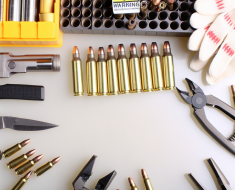
- Tool Placement: Organize tools by frequency of use. Place the most-used items within arm’s reach—primers, powder measure, scale—while less frequent items can be stored nearby but off the main work surface.
- Storage Solutions: Incorporate drawers, shelves, or pegboards to keep dies, cases, bullets, and powders neatly stored yet easily accessible.
A case study from a competitive shooter in Texas highlights how upgrading from a cluttered kitchen table to a custom-built reloading bench reduced his reload time per round by nearly 40%, enabling more practice with match-grade ammunition.
Selecting and Customizing Reloading Equipment for Speed and Precision
Your choice of equipment greatly impacts efficiency. From single-stage presses to progressive machines, each has strengths depending on your production goals.
- Single-Stage Presses: Ideal for precision loads in small batches but slower overall. Customizing with upgraded handles or quick-change dies can speed up the process.
- Tandem Presses: Combining two single-stage presses on one frame allows simultaneous operations (e.g., resizing on one press while seating on the other), cutting cycle times significantly.
- Progressive Presses: Best for high-volume reloading with automation of multiple steps per cycle. Customization options include electronic powder dispensers and automated case feeders.
A popular example is the Dillon RL550B progressive press with added accessories such as an electronic powder dispenser (Powder Check) which reduces double charges—a common source of error—and speeds up throughput by up to 20% according to Dillon’s own performance tests.
You can further customize dies with micrometer adjustments for bullet seating depth or interchangeable shell holders for quick caliber changes. Upgrading primers with hand priming tools featuring adjustable depth control also improves consistency while reducing primer waste.
Optimizing Workflow: Step-by-Step Process Streamlining
An efficient reloading setup benefits from carefully planned workflow design. Follow these guidelines:
- Create Dedicated Stations: Assign specific areas for cleaning cases, depriming/resizing, priming, charging powder, seating bullets, and inspection/packaging. This minimizes backtracking and confusion.
- Batching Tasks: Perform similar tasks in batches rather than switching between steps repeatedly—for example, prime all cases first before moving on to powder charging.
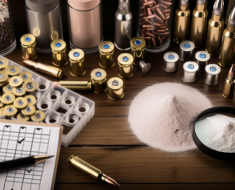
- Use Checklists: Implement checklists or process cards at each station outlining critical steps—helps prevent skipping vital actions like primer seating depth checks or powder charge verification.
- Tape Measures & Labels: Label powders clearly with tape or color coding; mark batch lots for quality control tracking in case issues arise later during shooting sessions.
- Purge Defective Cases Immediately: Set aside defective brass promptly instead of mixing them with good cases—this prevents contamination down the line.
A practical example comes from a police department’s armory where technicians used lean manufacturing principles borrowed from industrial practices to streamline their reloading process.
By implementing these strategies, you can significantly improve the efficiency and effectiveness of your reloading setup.