Reloading Equipment Maintenance: Keep Your Press Running Smoothly
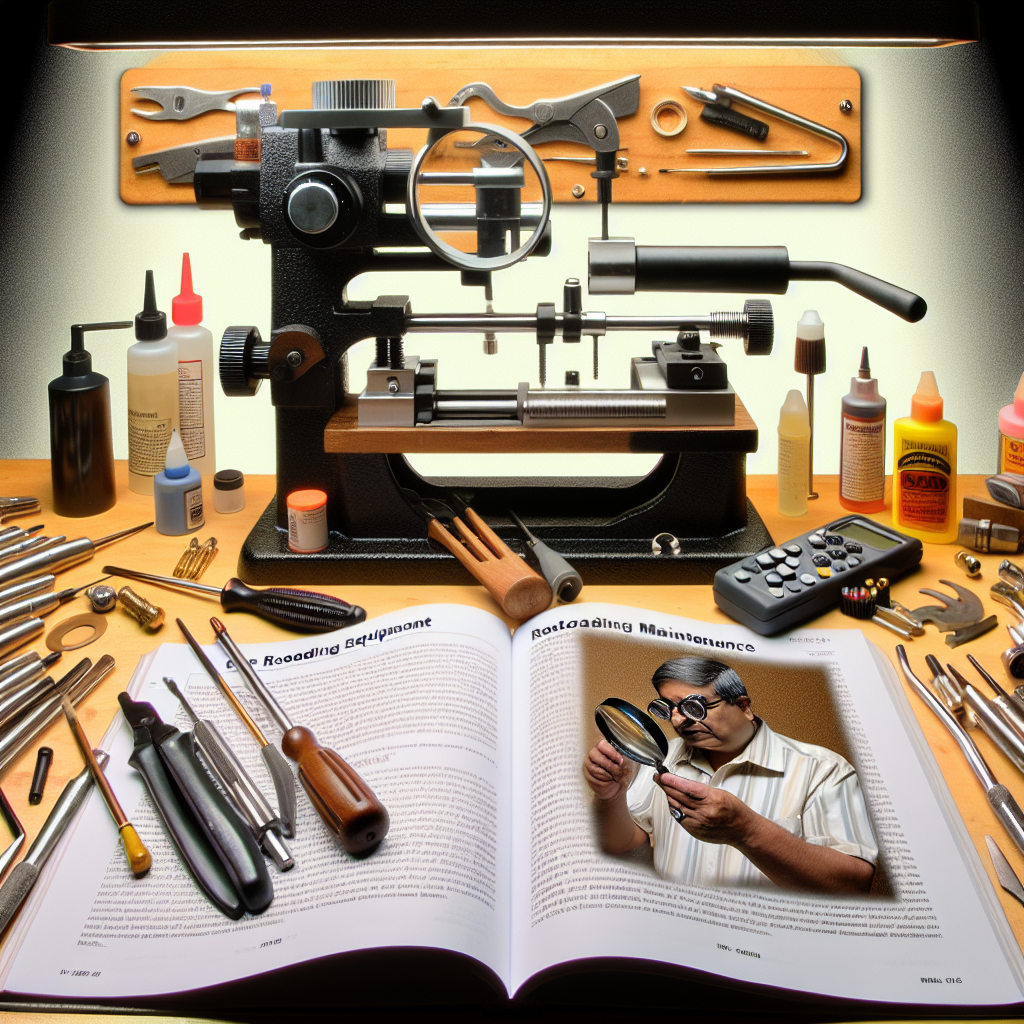
Reloading ammunition is a rewarding hobby that offers precision, cost savings, and customization for shooters. Central to this process is the reloading press—a mechanical workhorse that must operate flawlessly to ensure safety, consistency, and efficiency. However, like any mechanical device, reloading presses require regular maintenance to perform optimally over time.
In this comprehensive article, we will explore the essential aspects of reloading equipment maintenance, focusing primarily on keeping your press running smoothly. From understanding the critical components to adopting best practices for cleaning and lubrication, this guide aims to provide valuable insights supported by examples and practical tips.
The Importance of Regular Reloading Press Maintenance
Maintaining your reloading press isn’t just about prolonging its lifespan—it directly impacts the quality and safety of your reloads. A well-maintained press ensures consistent cartridge dimensions, reduces mechanical failures, and minimizes the risk of accidents.
According to a survey conducted by the National Shooting Sports Foundation (NSSF), nearly 30% of reloading accidents were linked to equipment malfunction or improper handling. While not all these incidents can be prevented by maintenance alone, ensuring your press is in top condition significantly reduces potential hazards.
- Consistency: Clean and lubricated components reduce friction and wear, leading to more uniform cartridge seating and sizing.
- Safety: Worn or damaged parts can cause misfires or improper seating pressures that jeopardize shooter safety.
- Longevity: Routine care extends the life of your investment by preventing corrosion and mechanical breakdowns.
- Efficiency: Smooth operation reduces user fatigue and speeds up the reloading process.
Key Components of a Reloading Press That Require Attention
Understanding which parts need regular inspection and maintenance is crucial. While the design varies between single-stage, turret, progressive, or automated presses, many common elements require care.
The Ram and Bushings
The ram is the moving part that applies pressure during resizing or seating. It slides through bushings that help maintain alignment. Over time, dirt and powder residue accumulate here, causing sticking or misalignment.
The Shell Holder
The shell holder grips the cartridge case during reloading stages. It must fit securely without excessive wear. Any looseness can lead to improper case positioning.
The Dies
Though technically separate from the press itself, dies are integral tools fitted into the press for resizing, bullet seating, crimping, etc. They require cleaning and occasional lubrication to prevent galling or rust.
The Linkages and Levers
The handle mechanism often involves pins, bushings, and springs that translate user force into mechanical action. These parts experience high stress and should be inspected regularly for wear or damage.
The Frame
The frame supports all components; while generally robust, it can develop rust spots or become misaligned if dropped or abused.
Best Practices for Cleaning Your Reloading Press
A clean press runs smoother and lasts longer. Powder residues contain corrosive compounds that accelerate metal degradation if left unchecked. Here’s how you can maintain cleanliness effectively:
- Disassemble When Necessary: Periodically remove dies, shell holders, and other removable parts for thorough cleaning.
- Use Appropriate Cleaning Agents: Mild solvents like isopropyl alcohol or specific gun-cleaning products work well on powder residues without harming metal surfaces.
- Avoid Harsh Abrasives: Steel wool or sandpaper may damage precision surfaces; instead use soft brushes or cloths.
- Clean Bushings and Ram Areas: Use a cotton swab or pipe cleaner dipped in solvent to reach tight spaces where grime accumulates.
- Dry Thoroughly: Moisture promotes rust; always dry parts completely before reassembly.
A popular example comes from experienced handloader Mike Hanlon who emphasizes cleaning his Lee Classic Turret Press monthly during heavy use seasons. He reports fewer jams and smoother handle action as a result.
Lubrication: Choosing the Right Products for Smooth Operation
Lubrication reduces friction between moving parts but over-application can attract dust or cause slippage issues. Selecting suitable lubricants tailored for reloading presses is vital.
- Types of Lubricants:
- Dry Lubricants (Graphite-based): Ideal for areas prone to collecting dirt; they reduce friction without sticky residues.
- Light Machine Oil (e.g., Gun Oil): Provides excellent protection against rust while allowing smooth motion on metal-to-metal contacts like ram bushings.
- Lithium Grease: Useful on heavily loaded joints such as handle pivots but should be applied sparingly due to thickness.
- Lubrication Points:
- Ram bushings and guides
- Pins in linkages
- Pivot points of handles
- T
he maintenance of these lubrication points ensures optimal performance and longevity of your reloading press.
Regular upkeep not only enhances functionality but also contributes to a safer reloading experience.