How to Measure Powder Charges Accurately Every Time

Accurate measurement of powder charges is a critical aspect of safe and effective handloading, whether for firearms or other applications that require precise powder dosing. An incorrect charge can lead to inconsistent ballistic performance, reduced accuracy, or even dangerous overpressure conditions. Therefore, understanding how to measure powder charges accurately every time is essential for reloaders, competitive shooters, and professionals alike.
In this article, we will explore the best practices, tools, and techniques to ensure consistent powder measurements. We’ll also delve into real-world examples and provide actionable tips that will help you maintain precision and safety in your powder handling routines.
The Importance of Accurate Powder Measurement
Before diving into the methods for measuring powder charges accurately, it’s important to understand why precision matters so much.
- Safety: Overcharging or undercharging can lead to catastrophic firearm failures or misfires. According to data from the Sporting Arms and Ammunition Manufacturers’ Institute (SAAMI), improper loading accounts for a significant portion of firearm malfunctions and accidents.
- Consistency: For competitive shooters or hunters seeking repeatable performance, consistent powder charges ensure that each shot behaves predictably in terms of velocity and trajectory.
- Cost Efficiency: Precise measurement avoids wasting powder and components, making reloading more economical in the long run.
- Accuracy: Variations in charge weight can cause deviations in bullet velocity and pressure, impacting group sizes on the target.
Whether you are loading pistol rounds or large rifle cartridges, mastering accurate powder measurement is a fundamental skill that influences all aspects of shooting performance.
Choosing the Right Tools for Measuring Powder Charges
The foundation of accurate measurement lies in using the right tools. Several types of equipment are available on the market designed specifically for weighing powders with varying levels of precision and convenience.
Types of Powder Measurement Tools
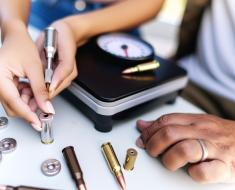
- Powder Scales: These are essential for precise measurement. Modern electronic scales offer digital readouts with increments as small as 0.01 grains. Popular models include the Hornady Lock-N-Load Digital Scale and the RCBS Chargemaster Lite.
- Powder Measures: These devices dispense volumetric amounts of powder based on volume rather than weight. While faster than weighing every charge individually, they require calibration against a scale due to variations in powder density.
- Dippers and Scoops: Simple volumetric tools used mostly by beginners or when rough measurements are acceptable; however, these are less accurate due to inconsistent packing densities.
The best practice is to use an electronic scale as your primary tool for verifying powder charges. Even if you use a volumetric measure for speed, always double-check your charges periodically with a scale.
Calibration: The Cornerstone of Accuracy
No matter how advanced your scale is, calibration is crucial for maintaining accuracy over time. Scales can drift due to environmental factors like temperature changes or battery levels. Using certified calibration weights regularly helps keep your equipment reliable.
Example: A case study from the Precision Reloading Association found that uncalibrated scales could deviate by as much as ±0.2 grains over a month’s usage—enough to affect consistency significantly in small pistol loads where typical charge weights range between 4-6 grains.
Step-by-Step Guide: How to Measure Powder Charges Accurately
The following process outlines best practices for measuring powder charges reliably every time you load ammunition:
- Select Your Scale Placement: Place your scale on a stable, vibration-free surface away from drafts or fans that could affect its reading.
- Tare Your Container: Place an empty container (such as a small scoop or tray) on the scale and press the tare button to zero out its weight.
- Add Powder Slowly: Pour powder incrementally into your container until you reach your desired charge weight displayed on the scale’s readout.
- Avoid Overfilling: If you add too much powder, remove some carefully rather than starting over; however, many reloaders prefer discarding excess for consistency.
- Double Check Each Charge: If loading multiple rounds with identical charges, weigh each dose individually instead of relying solely on volumetric measures—especially important with powders prone to settling or clumping.
This method ensures that each charge is measured by weight rather than volume alone—minimizing inconsistencies caused by differences in powder density or compaction within volumetric devices.
Troubleshooting Common Challenges in Powder Measurement
No process is without challenges. Here are some common issues faced when measuring powder charges accurately along with solutions based on expert advice:
- Powder Settling and Bridging: Some powders tend to settle unevenly or bridge inside measures causing inconsistent dispensing volumes.
Solution: Regularly stir powders before measuring and periodically verify volumetric measures against a scale weight. - Dirt or Residue Affecting Scale Accuracy: Dust particles or residue buildup on scales can cause inaccurate readings.<