How to Master Rapid Fire Techniques
Rapid fire techniques, whether in the context of gaming, firearms training, or even public speaking, represent a specialized skill set that demands speed, precision, and mental agility. Mastering these techniques can significantly enhance performance by allowing individuals to respond quickly and accurately under pressure. This article delves into the essential strategies for mastering rapid fire techniques across various domains, supported by relevant examples, case studies, and scientific insights.
Understanding the Fundamentals of Rapid Fire
Before diving into specific techniques, it is crucial to understand what rapid fire truly entails. At its core, rapid fire involves executing a series of actions or responses in quick succession while maintaining accuracy and control. This can apply to:
- Firearms shooting: Firing multiple rounds rapidly while maintaining aim.
- Video gaming: Executing fast commands or shots in shooter games.
- Public speaking or debates: Delivering concise responses quickly during Q&A sessions.
The common denominator across these fields is the balance between speed and precision. Without this balance, rapid actions risk becoming sloppy or ineffective. Research from the Journal of Motor Behavior highlights that motor skills involving speed require not only muscle memory but also cognitive anticipation to predict and prepare for upcoming actions (Schmidt & Lee, 2019).
Building Physical and Mental Foundations
The first step towards mastering rapid fire techniques is developing a strong foundation in both physical dexterity and mental focus.
Physical Conditioning and Muscle Memory
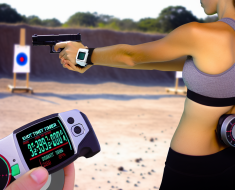
Rapid fire requires precise muscle movements executed at high speed. For example, competitive shooters often practice dry-firing drills—simulating trigger pulls without live ammunition—to build muscle memory without the distraction of recoil. According to a study published by the National Shooting Sports Foundation (NSSF), shooters who incorporated dry-firing into their training improved their shot grouping by up to 30% within eight weeks.
- Consistent practice: Repeating specific motions trains muscles for quick reflexes.
- Fine motor control exercises: Activities like finger tapping drills or using grip trainers can enhance hand speed.
- Proper ergonomics: Ensuring your equipment fits well reduces unnecessary movement and increases firing speed.
Mental Agility and Focus
Mental readiness is equally vital. Rapid firing situations often induce stress that can impair decision-making. Cognitive training tools such as reaction time apps or mindfulness meditation can improve focus and reduce anxiety under pressure.
- Cognitive drills: Practicing pattern recognition and decision-making games enhances neural pathways involved in quick thinking.
- Mental rehearsal: Visualizing rapid sequences helps prepare the brain for real-time execution.
- Stress management: Techniques such as controlled breathing help maintain composure during high-stakes scenarios.
Techniques for Mastering Rapid Fire in Firearms Training
Shooting sports are one of the most common areas where rapid fire techniques are employed. Here are some proven strategies used by professional marksmen to increase firing speed without sacrificing accuracy.
The Double Tap Method
The double tap involves firing two shots in quick succession at a single target with minimal sight realignment between shots. This technique maximizes damage output while maintaining control over recoil.
- Practice drill: Begin with slow single shots focusing on accuracy before gradually increasing speed.
- Sight control: Train your eyes to quickly reacquire sights after each shot through dry-fire drills.
Pistol Limp Wristing Correction
Limp wristing occurs when insufficient grip strength causes excessive muzzle rise during rapid fire. Strengthening wrist muscles with targeted exercises helps maintain stability for faster follow-up shots.
- Grip strengthening tools: Use hand grippers or stress balls regularly.
- Pistol grip adjustment: Experiment with grip angles to find optimal recoil absorption mechanics.
The Controlled Pair Technique
This technique involves two well-aimed shots fired rapidly with controlled recoil management between them. It balances speed with precision better than a pure rapid burst approach.
- Sight picture consistency: Ensure sights are aligned before firing both rounds rather than rushing blindly.
- Tactical reloads: Practice reloading quickly but safely between controlled pairs for sustained rapid fire capability.
Rapid Fire Strategies in Competitive Gaming
The rise of esports has brought new attention to rapid fire skills within digital environments, especially first-person shooters (FPS) like Call of Duty or Valorant. Gamers must execute complex commands quickly while aiming accurately at moving targets.
Aim Training Software & Hardware Optimization
Aim trainers such as Aim Lab or KovaaK’s FPS Aim Trainer provide customized drills focused on improving mouse movement speed and reaction time. Studies show that players using aim trainers can improve reaction times by up to 20% over several weeks (Esports Performance Review, 2021).
- Sensitivity calibration: Adjust mouse DPI settings for optimal balance between speed and
Sensitivity calibration: Adjust mouse DPI settings for optimal balance between speed and precision to enhance your overall performance.
By mastering these techniques, you can significantly improve your rapid fire skills both in shooting sports and competitive gaming.