The Role of Footwork in Competitive Shooting Success
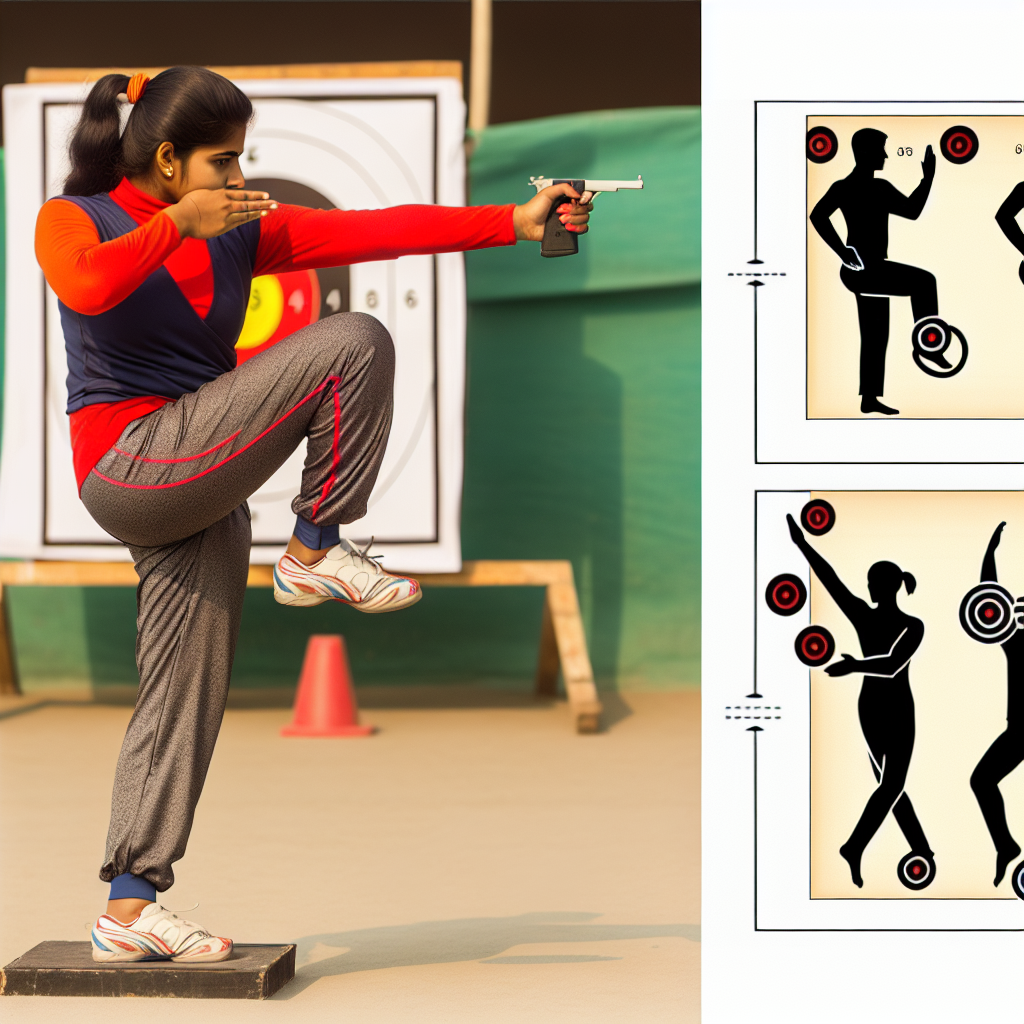
Competitive shooting is often viewed through the lens of precision, focus, and hand-eye coordination. While these attributes are undeniably critical, an often overlooked yet equally vital component is footwork. The way a shooter positions and moves their feet can significantly impact stability, accuracy, and overall performance in competitions. This article delves into the intricate role that footwork plays in competitive shooting success, supported by research findings, expert insights, and practical examples.
Understanding the Fundamentals of Footwork in Shooting
Footwork refers to the positioning and movement of the feet during shooting activities. In competitive shooting disciplines such as IPSC (International Practical Shooting Confederation), 3-Gun, Olympic pistol and rifle events, or even biathlon, precise foot placement enables shooters to maintain balance and execute shots with minimal body sway.
Proper footwork is not merely about standing still; it involves subtle adjustments and dynamic movements that adapt to various shooting scenarios. This includes transitioning between targets quickly without compromising stance integrity or accuracy.
- Balance: The foundation of any accurate shot lies in a balanced stance. Feet placement influences the shooter’s center of gravity.
- Mobility: Competitive shooters often need to move rapidly between positions or targets while maintaining control.
- Stability: A stable base reduces unnecessary body movement that could throw off shot placement.
- Comfort: Proper foot positioning reduces fatigue during extended competitions.
Without effective footwork, shooters risk losing their composure under pressure, resulting in missed shots or slower completion times.
The Science Behind Footwork and Shooting Accuracy
Biomechanical studies have demonstrated that body stability plays a crucial role in fine motor tasks such as shooting. A study published in the Journal of Sports Sciences analyzed the postural control of elite shooters and found a strong correlation between reduced postural sway and shooting precision.
The feet serve as the body’s base of support; therefore, any instability at this level translates upward through the kinetic chain affecting hand steadiness. Researchers measured center-of-pressure (COP) displacement while shooters took shots under different stances:
- Shooters with wider stances showed less COP displacement and greater shot accuracy.
- Narrow stances increased postural sway leading to diminished precision.
- Shooters who practiced dynamic foot repositioning maintained better balance during target transitions.
This data underscores that optimal foot placement helps minimize involuntary movements, allowing shooters to focus on trigger control and sight alignment without compensating for bodily instability.
Footwork Techniques Across Different Shooting Disciplines
The requirements for footwork vary depending on the shooting discipline. Understanding these differences helps competitors tailor their training for maximum effectiveness.
IPSC and Action Shooting
In action shooting sports like IPSC or USPSA (United States Practical Shooting Association), speed is paramount alongside accuracy. Shooters must move quickly between multiple targets often under time constraints.
- Staggered Stance: A common technique where one foot is placed slightly ahead of the other to improve mobility without sacrificing balance.
- Crossover Steps: Quick lateral movements using crossover steps allow rapid repositioning around obstacles or cover points.
- Shooting on the Move: Advanced competitors practice firing while moving forward or backward using smooth weight transfers between feet.
A famous example includes champion shooter Max Michel, who emphasizes fluid foot movement combined with quick target acquisition to dominate competitions worldwide.
Precision Rifle and Pistol Events
Precision-oriented events such as Olympic air rifle or bullseye pistol prioritize absolute steadiness over speed. Here, shooters adopt static but highly optimized stances designed to reduce all motion except the trigger finger’s press.
- Parallel Stance: Feet roughly shoulder-width apart with toes pointed forward to create a symmetrical support base.
- Slight Knee Flexion: Reduces muscular tension aiding longer hold times without tremors.
- Weight Distribution: Balanced evenly across both feet to avoid leaning forward or backward which could disrupt sight picture alignment.
The legendary shooter Rajmond Debevec exemplifies this approach; his meticulous stance work contributes heavily to his multiple Olympic medals by ensuring consistency shot after shot.
Biathlon Footwork: Combining Skiing and Shooting
A unique case where footwork plays a dual role is biathlon—a winter sport combining cross-country skiing with rifle shooting. Athletes must transition from intense physical exertion requiring efficient ski strides to calm, controlled shooting phases under immense physiological stress.
- Shooting Position Setup: Athletes quickly plant their feet into a stable prone or standing position after skiing segments.
- Ski Boot Considerations: Heavier boots influence how athletes distribute weight on their feet when assuming shooting stances compared to regular shoes worn by other competitors.
- Breathe-and-Foot Synchronization: Precise timing between breath control and subtle weight shifts aids in minimizing body sway during shots taken immediately after physical exertion.
The Norwegian biathlete exemplifies how mastering footwork can significantly enhance performance under pressure, leading to improved accuracy. In competitive shooting, understanding and refining footwork is essential for success.