How to Handle Competition Stress and Fatigue
Competition, whether in sports, academics, or the professional world, is an inevitable part of life. While it can be a powerful motivator that pushes individuals to achieve their best, it often brings with it significant stress and fatigue. Managing these challenges effectively is crucial not only for peak performance but also for maintaining long-term mental and physical health. This article explores practical strategies backed by research and expert insights to help individuals handle competition stress and fatigue efficiently.
Understanding Competition Stress and Fatigue
Before diving into coping strategies, it’s essential to understand what competition stress and fatigue actually entail. Competition stress refers to the psychological pressure experienced when striving to outperform others or meet high expectations. Fatigue, on the other hand, involves both physical exhaustion and mental weariness resulting from prolonged effort or pressure.
According to a study published in the Journal of Sports Sciences, athletes who experience high levels of competition anxiety often report decreased concentration, impaired decision-making, and reduced physical stamina (Smith et al., 2019). Similarly, workplace competitions can trigger burnout symptoms characterized by emotional exhaustion, cynicism, and reduced productivity (Maslach & Leiter, 2016).
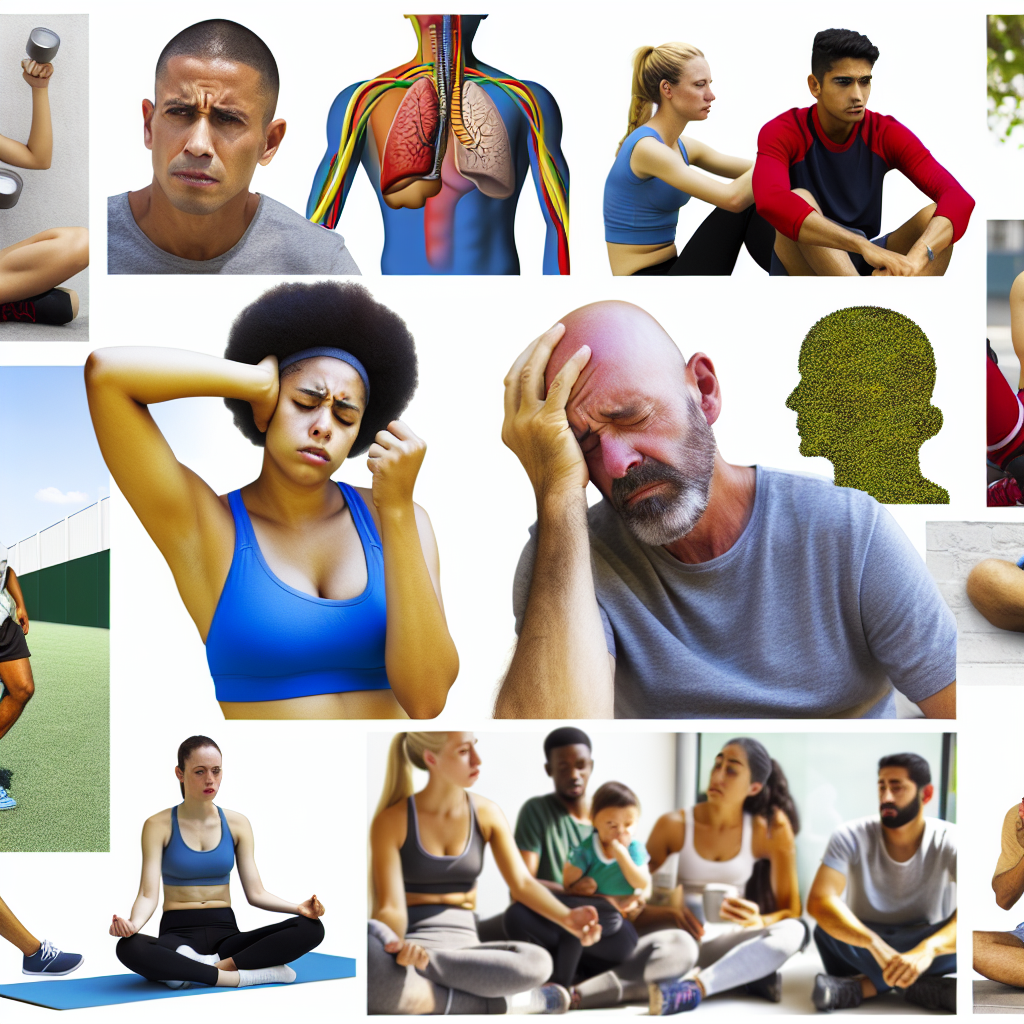
- Physical Symptoms: Muscle tension, headaches, sleep disturbances
- Mental Symptoms: Anxiety, irritability, lack of focus
- Behavioral Symptoms: Procrastination, withdrawal from social interaction
The key to thriving under competitive conditions lies in recognizing these symptoms early and employing effective strategies to mitigate their impact.
Preparation: The First Line of Defense Against Stress
One of the most effective ways to reduce competition-related stress is through thorough preparation. Preparation instills confidence and reduces uncertainty—two significant contributors to stress.
Goal Setting: Setting clear, achievable goals is fundamental. The SMART framework (Specific, Measurable, Achievable, Relevant, Time-bound) helps competitors focus on what they can control rather than external pressures.
Practice Under Pressure: Simulating competitive scenarios during training or practice sessions helps individuals acclimate to stress triggers. For example, a tennis player practicing tie-break points with an audience can better manage real-match pressure.
Time Management: Efficiently allocating time for training and rest prevents burnout. Studies show that athletes who maintain balanced schedules perform better and report lower stress levels (Jones & Hardy, 2017).
- Create a detailed training or study plan well in advance
- Include regular breaks to prevent mental overload
- Avoid last-minute cramming or overtraining which spikes anxiety
Mental Techniques for Managing Stress During Competition
Mental resilience is as important as physical preparation when facing competition stress. Several psychological techniques have been proven effective in managing anxiety and maintaining focus.
Meditation and Mindfulness: Mindfulness practices help competitors stay present rather than worrying about outcomes. A 2020 meta-analysis found mindfulness meditation reduced anxiety symptoms by up to 30% across various populations (Goyal et al., 2020).
Visualization: Visualizing successful performance enhances confidence and reduces fear of failure. Olympic athletes like Michael Phelps have credited visualization as a key component of their mental preparation.
Controlled Breathing: Deep breathing exercises stimulate the parasympathetic nervous system, reducing heart rate and calming nerves. Techniques like box breathing (inhale-hold-exhale-hold) are widely used by elite performers.
- “Anchoring”: Associating a physical gesture with calmness (e.g., pressing thumb and forefinger together)
- “Self-talk”: Replacing negative thoughts with positive affirmations such as “I am prepared” or “I can handle this”
- “Focus cues”: Concentrating on specific technical aspects rather than outcomes during performance
The Role of Physical Care in Combating Fatigue
The physical toll of competition can be immense if not managed properly. Fatigue impairs reaction times, decision-making ability, and overall endurance—factors critical in competitive settings.
Adequate Sleep: Sleep deprivation exacerbates both physical fatigue and cognitive decline. Research shows that athletes who get at least eight hours of sleep perform faster sprints and exhibit improved accuracy compared to those who sleep less (Mah et al., 2011).
Nutrition and Hydration: Proper fueling before and during competitions supports sustained energy release. Consuming complex carbohydrates for endurance events or balanced meals rich in protein supports muscle recovery post-competition.
Active Recovery: Incorporating light exercise such as walking or stretching post-event helps reduce muscle soreness and promotes circulation.
- Avoid stimulants like caffeine late in the day which interfere with sleep quality
- Stay hydrated with water or electrolyte-rich drinks especially during prolonged events
- Aim for balanced meals including lean proteins, healthy fats, and complex carbs
Cultivating Social Support Networks for Emotional Resilience
No one thrives under pressure alone.
Building a strong support system can buffer against competition stress and provide emotional resilience during challenging times. Connecting with friends, family, or teammates can help you manage stress more effectively.
In summary, prioritizing sleep, nutrition, and social support can significantly enhance your performance and well-being in competitive situations.