How Gun Laws Differ for Hunters vs Target Shooters
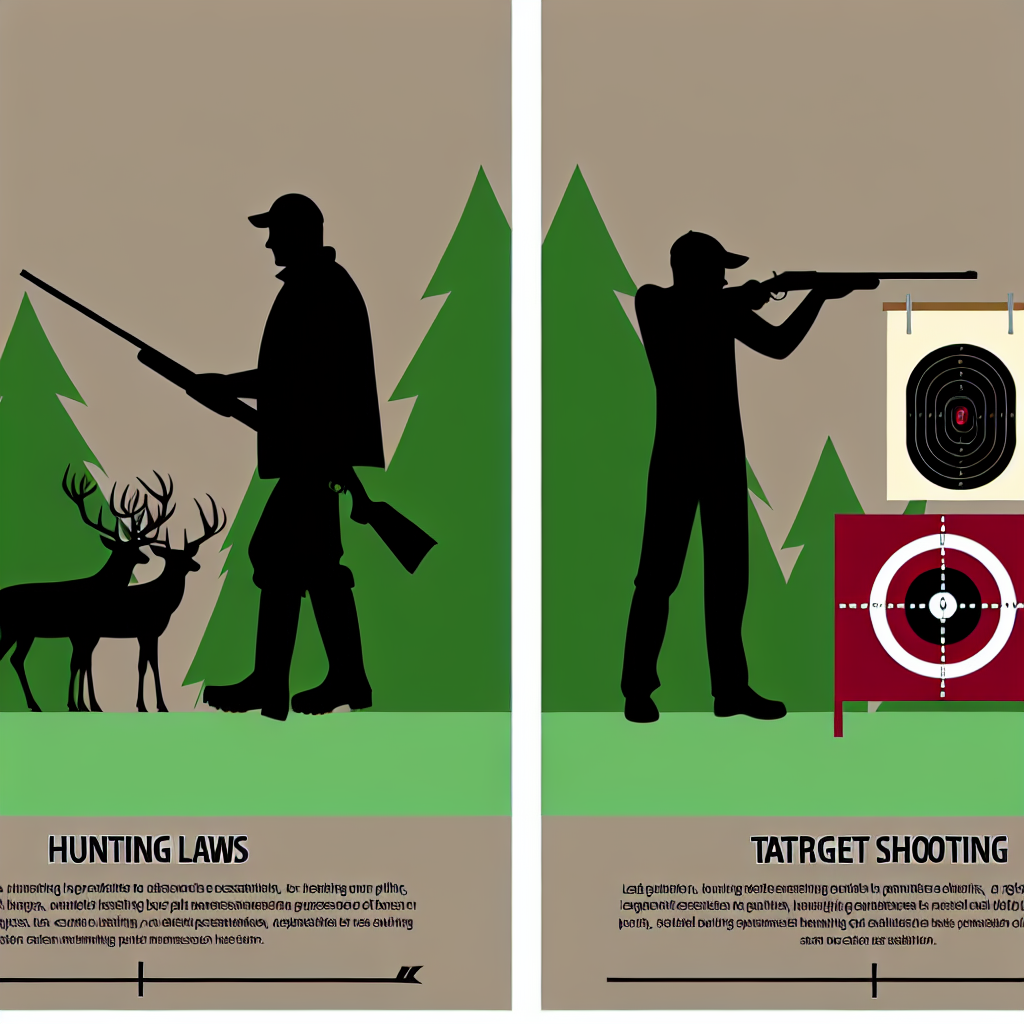
The regulation of firearms in the United States is complex and often varies significantly depending on the intended use of the firearm. Two prominent groups that interact with gun laws differently are hunters and target shooters. While both groups utilize firearms, their legal rights, restrictions, and obligations can differ considerably due to the nature of their activities, the types of firearms used, and the societal perceptions surrounding these uses. This article explores how gun laws differ for hunters versus target shooters, providing a detailed analysis supported by examples, case studies, and relevant statistics.
Understanding the Distinction: Hunters vs Target Shooters
Before delving into the legal differences, it is essential to define who hunters and target shooters are and what distinguishes their activities.
- Hunters: Individuals who use firearms primarily for hunting wildlife. This activity often occurs in rural or wilderness areas and involves specific regulations concerning seasons, species, and methods of take.
- Target Shooters: Those who engage in shooting sports where firearms are used for accuracy practice or competition. This group includes recreational shooters at shooting ranges as well as competitive marksmen participating in events such as Olympic shooting, IPSC (International Practical Shooting Confederation), and other precision shooting disciplines.
Though both groups may use similar firearms—such as rifles, shotguns, or handguns—their legal frameworks can differ due to variations in purpose, public safety concerns, and state-specific legislation.
Federal Gun Laws: A Common Baseline with Nuances
At the federal level in the United States, gun laws provide a baseline that applies equally to hunters and target shooters but leave room for state-level differences.
- Background Checks: Both hunters and target shooters must pass background checks when purchasing firearms from licensed dealers under the Brady Handgun Violence Prevention Act.
- Firearm Types: The National Firearms Act (NFA) regulates certain weapons such as short-barreled rifles or suppressors. Both hunters and target shooters can legally own these items if they complete the required paperwork and pay taxes.
- Concealed Carry Permits: Hunters may seek concealed carry permits for personal protection while in rural areas; target shooters may also obtain these permits but often have less practical need for concealed carry during competitions or range practice.
Despite these commonalities, federal laws rarely differentiate explicitly between hunting and target shooting. The key differences arise primarily through state regulations shaped by cultural attitudes towards each activity.
State-Level Variations: How Hunting Laws Differ From Target Shooting Regulations
The majority of distinctions between hunters’ and target shooters’ gun laws occur at the state level. These variations influence which firearms can be used, licensing requirements, permissible locations for shooting, and additional restrictions related to conservation efforts or public safety.
Firearms Restrictions Based on Activity
Many states impose different firearm restrictions depending on whether a person is hunting or target shooting:
- Caliber and Ammunition Limits: Hunting regulations often restrict firearm calibers or ammunition types to prevent excessive wounding of animals or protect certain species. For example:
- The state of California prohibits the use of lead ammunition for hunting waterfowl due to environmental concerns but does not impose this restriction on target shooters at ranges.
- Maine restricts muzzleloader calibers during deer season to ensure ethical kills.
- Semi-Automatic Firearms: Some states prohibit semi-automatic rifles for hunting but allow them at shooting ranges. For instance:
- Iowa prohibits semi-automatic rifles with detachable magazines from being used during deer hunting season but permits their use in target shooting competitions.
Shooting Locations: Legal Zones Differ Sharply
The legality of where individuals can discharge firearms varies significantly based on whether they are hunting or target shooting:
- Hunting Zones: Hunters must operate within designated hunting areas during specific seasons set by wildlife agencies. Hunting outside these zones or seasons is illegal.
- This ensures sustainable wildlife populations through controlled harvests.
- Shooting Ranges: Target shooters typically use established shooting ranges that comply with local zoning laws.
- Laws restrict discharging firearms outside these ranges except on private property where permitted by law.
- Laws often require ranges to follow strict safety guidelines including backstops and noise abatement measures.
Licensing and Permits: Divergent Requirements
The requirements for licenses or permits also differ markedly between hunters and target shooters:
- Hunting Licenses: Most states require hunters to obtain licenses or tags specifying species they intend to hunt.
- This licensing often includes mandatory hunter education courses focusing on firearm safety, wildlife identification, and conservation ethics.
- The U.S. Fish & Wildlife Service reported over 15 million licensed hunters nationwide in recent years—highlighting how pervasive this system is.