How Gun Laws Affect Hunting Regulations
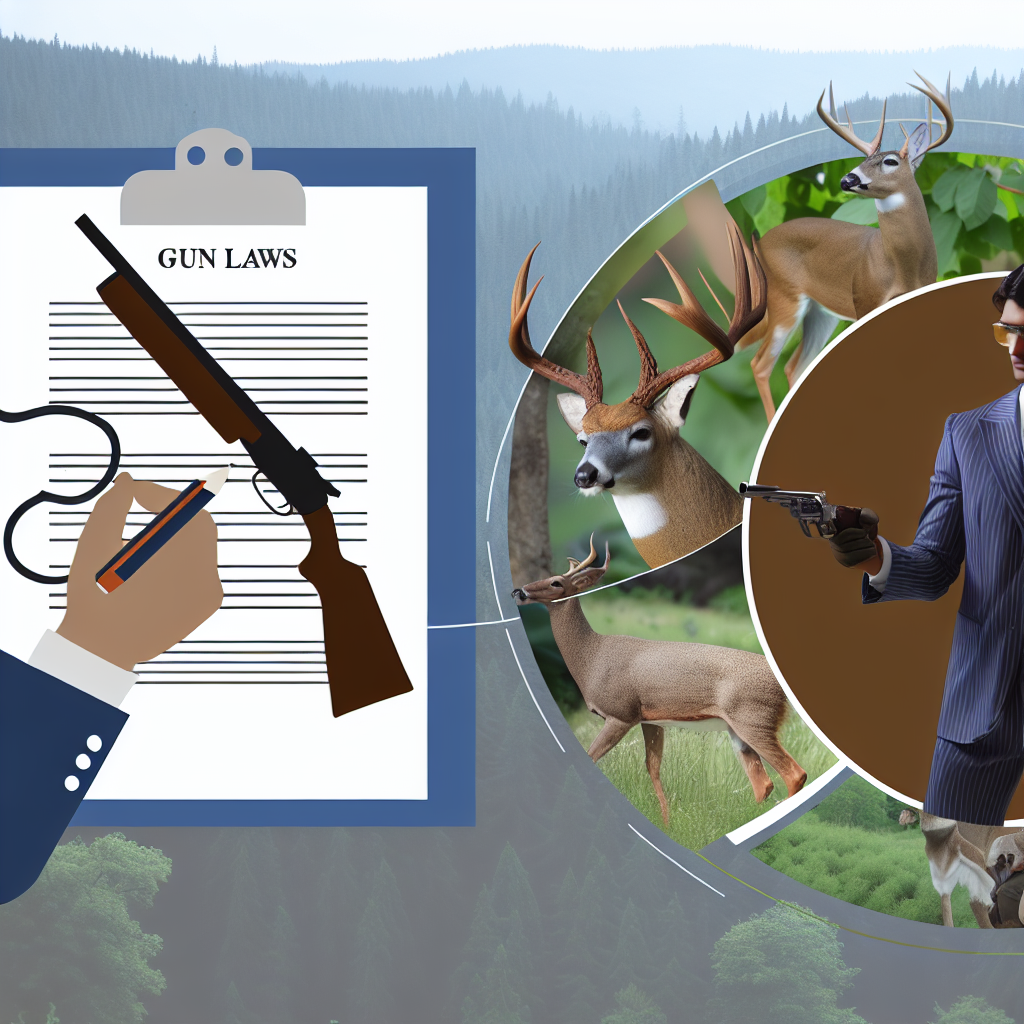
Hunting is a longstanding tradition in many cultures worldwide, deeply rooted in history, ecology, and recreation. However, the regulatory landscape surrounding hunting is complex and often influenced by broader legislative frameworks, including gun laws. Gun laws—regulations that control the manufacture, sale, possession, and use of firearms—play a crucial role in shaping hunting regulations at local, state, and national levels. This article explores how gun laws affect hunting regulations by examining their interplay through legal frameworks, safety considerations, conservation efforts, and societal impacts.
The Intersection of Gun Laws and Hunting Regulations
Hunting regulations govern when, where, how, and what species can be hunted to ensure sustainable wildlife management and public safety. Meanwhile, gun laws regulate the types of firearms that can be owned or used by civilians. The intersection occurs because firearms are the primary tools for most hunters. Therefore, changes in gun legislation inevitably influence hunting practices.
For instance:
- Restrictions on firearm types: Certain states prohibit or limit specific firearms (e.g., semi-automatic rifles), which can impact hunters’ choice of weapons.
- Licensing requirements: Gun ownership licenses often overlap with hunting licenses or require separate training that hunters must navigate.
- Possession and transportation rules: Laws on how firearms can be carried or transported affect hunters traveling between hunting grounds.
Understanding these overlaps is essential for policymakers aiming to balance public safety with outdoor traditions.
Historical Context: Evolution of Gun Laws Impacting Hunting
The relationship between gun laws and hunting regulations has evolved alongside changes in societal attitudes toward firearms and wildlife conservation. In the early 20th century, unregulated hunting contributed to drastic declines in many species’ populations. This led to the establishment of game laws focused on bag limits, seasons, and protected species.
Simultaneously, gun control measures began emerging primarily to curb crime rather than regulate hunting directly. Over time, however, as concerns about firearm misuse grew—especially from the late 20th century onward—gun laws became more stringent in many regions. These changes often had unintended consequences on hunting communities.
A notable example is the Federal Assault Weapons Ban (1994-2004) in the United States. Though aimed at reducing crime by banning certain semi-automatic rifles and large-capacity magazines, it impacted some hunters who preferred these firearms for big game hunting due to their power and efficiency.
Impact on Hunting Practices and Equipment Choices
Gun laws directly influence what firearms hunters can legally use during hunting seasons. This affects everything from equipment selection to the type of game pursued.
- Caliber restrictions: Some jurisdictions impose minimum caliber sizes for big game hunting to ensure ethical kills. These restrictions sometimes intersect with broader firearm bans or limitations affecting available calibers.
- Banned firearm types: Certain states prohibit fully automatic weapons or restrict magazine capacities—firearms that some hunters may find advantageous but are legally off-limits.
- Ammunition limitations: Laws regulating lead ammunition due to environmental concerns also interact with gun laws governing ammunition sales.
An example is California’s ban on lead ammunition for all hunting as of July 2019 to reduce lead poisoning in wildlife. Hunters had to adapt by switching to non-lead alternatives like copper bullets while complying with state firearm regulations regarding ammunition compatibility.
Safety Regulations and Training Requirements
Gun laws frequently mandate safety courses or hunter education programs before an individual can purchase or use a firearm legally. These requirements serve dual purposes: enhancing public safety and promoting responsible hunting behavior.
- Hunter education courses: Often required for first-time hunters or those applying for licenses; these courses cover firearm safety alongside wildlife conservation principles.
- Firearm permits: In some regions, obtaining a permit requires demonstrating proficiency with guns through tests or documented training hours.
- Safe storage laws: Mandates regarding secure firearm storage impact how hunters transport weapons during trips or store them at home between hunts.
The state of Vermont provides an illustrative case where hunter education became mandatory in 1986 following increased hunting accidents linked partly to inexperienced shooters acquiring firearms without proper training—a situation addressed through combined gun law reforms and enhanced hunter education protocols.
The Role of Conservation Efforts Influenced by Gun Legislation
Sustainable hunting depends heavily on effective wildlife management policies often enforced through regulatory agencies such as the U.S. Fish & Wildlife Service or state departments of natural resources. Gun laws indirectly support these efforts by controlling access to firearms used in hunting activities.
- Deter poaching: Stricter background checks and registration help reduce illegal firearm circulation among poachers who threaten endangered species populations.
- Sustainable harvest quotas: Legal frameworks around guns ensure that only licensed hunters using approved firearms participate in regulated harvests aligned with conservation goals.
- Migratory bird protection: Federal regulations under acts like the Migratory Bird Treaty Act specify acceptable weapon types (e.g., shotguns rather than rifles) for waterfowl hunting to reduce overharvesting risks.
A case study from South Africa demonstrates this well: After enacting tighter firearm controls post-2010, poaching rates for certain species significantly declined, showcasing the positive impact of stringent gun laws on wildlife conservation.
Ultimately, the interplay between gun laws and hunting regulations is crucial for ensuring sustainable practices that protect wildlife and promote responsible hunting.