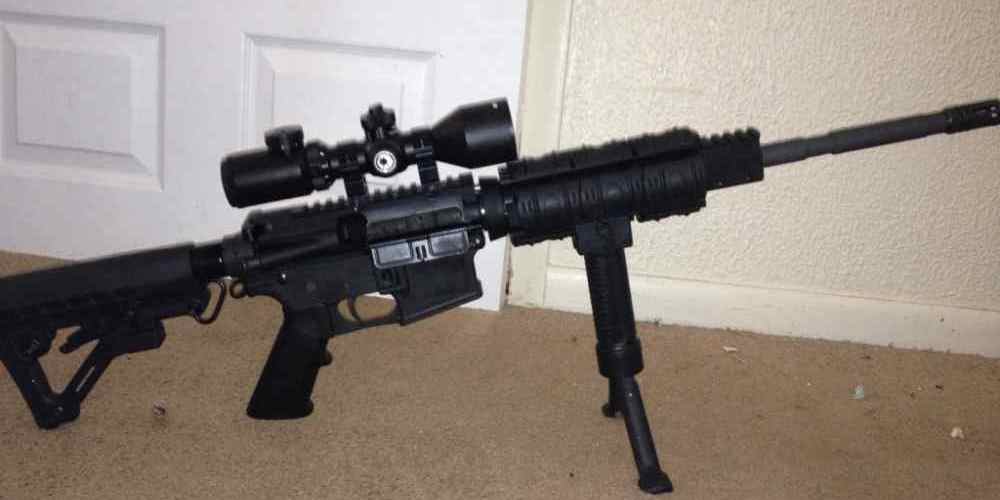
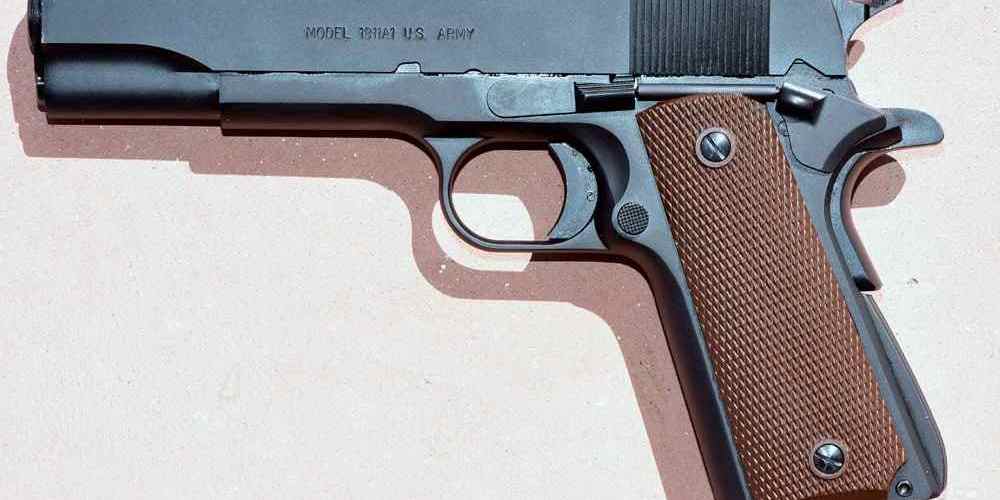
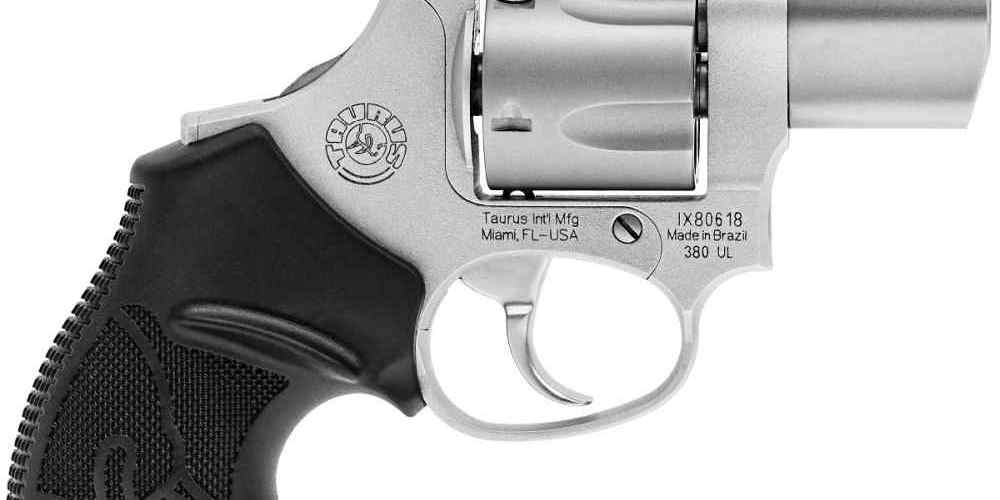
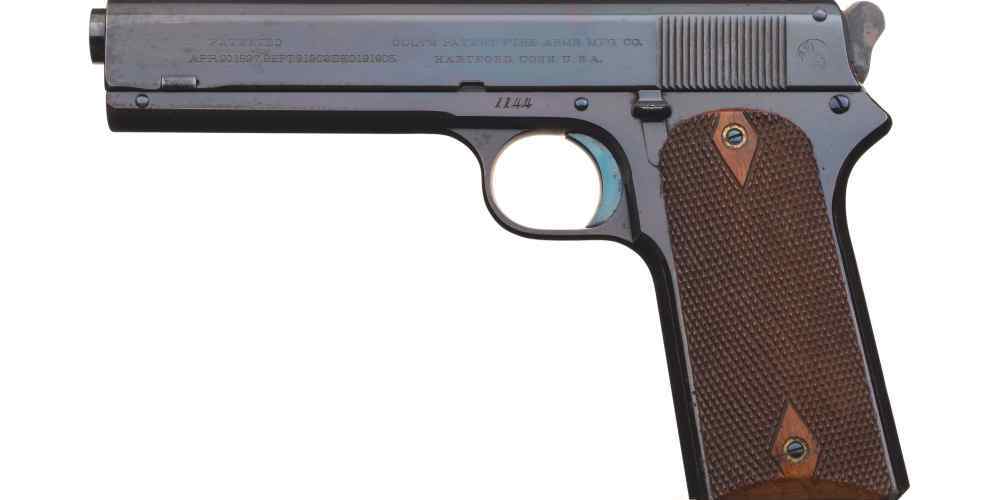
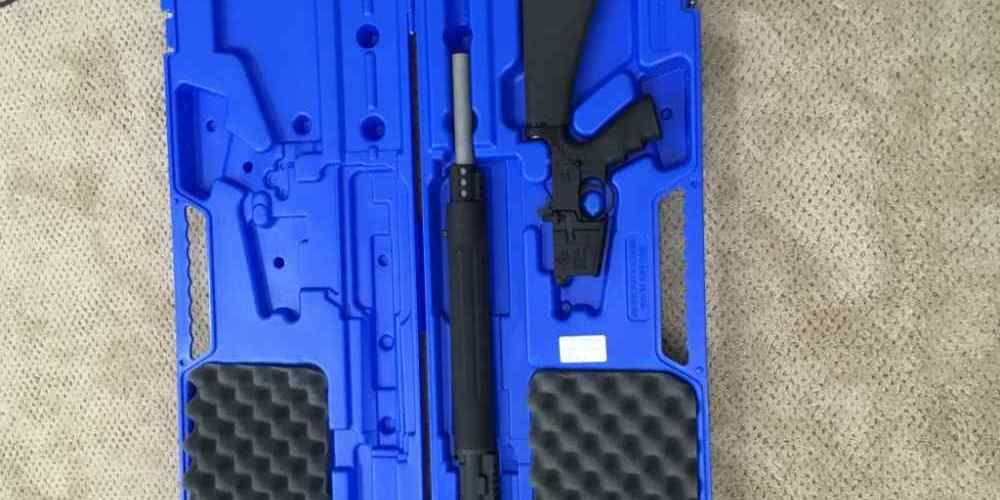
For many firearm owners, the collection is more than an assortment of tools—it is a record of skill, history, and responsibility. From a well-used hunting rifle passed down through generations to a carefully curated group of modern defensive handguns, every firearm carries both financial value and personal significance. Yet many collectors assume their standard homeowner’s or renter’s policy automatically protects them if something goes wrong, and that assumption can create a dangerous financial gap.
The reality is that firearm ownership often sits in a gray area for insurers. Limits may be too low, exclusions may apply, and special handling requirements can leave claims underpaid or denied. For collectors who invest in rare finishes, discontinued models, custom builds, optics, and accessories, the mismatch between actual value and insured value can be substantial.
Responsible ownership includes more than safe storage, legal compliance, and regular maintenance. It also means understanding how insurance treats your collection, what documentation you need, and where the coverage gaps are. A little preparation now can prevent serious losses later if theft, fire, accidental damage, or transport-related issues ever occur.
Why Ownership Gaps Leave Gun Collectors Vulnerable
One of the biggest mistakes collectors make is assuming their firearms are covered the same way other household property is covered. In practice, standard policies often place strict sublimits on firearms, meaning the total payout for an entire collection may be far lower than the collection’s real market value. That can be especially painful for owners of high-end hunting rifles, historical pieces, competition pistols, or serialized accessories that have appreciated over time.
Collectors can also be vulnerable because insurance companies often evaluate firearms differently from ordinary personal property. A rifle’s replacement cost may depend on model, condition, originality, and availability, while a custom trigger, optic, or engraving can add value that a basic policy does not recognize. If records are incomplete, a claim may be settled using generic pricing rather than the true collectible or replacement value.
There is also a practical safety angle to this issue. Owners who believe they are fully covered may store less carefully, delay inventory updates, or overlook secure transport practices. The better approach is to treat insurance as one layer of a broader responsible-ownership plan that includes locked storage, safe handling, and up-to-date documentation such as serial numbers, purchase receipts, photos, and appraisal records.
How Insurance Misses Firearm Collection Risks
Many policies are designed with broad personal-property assumptions, not the realities of firearm collections. That means they may not fully account for rare imports, surplus guns with historical provenance, limited-production runs, or long-gun sets that gain value as matched pairs. Even when a policy offers coverage, the wording may exclude “business property,” “property used in exhibitions,” or items kept in a secondary location such as a range locker or storage unit.
Another common blind spot involves accessories and components. Scopes, suppressor-legal parts where applicable, magazines, reloading equipment, cases, and custom parts may not be treated the same as the firearm itself. For collectors who invest heavily in optics, hand-fitted components, or specialized range gear, those omissions can reduce recovery after theft, flood, fire, or accidental damage during travel to a match, hunt, or gunsmith.
A stronger solution is to review your coverage with the same care you would use when inspecting a firearm before storage or use. Ask specifically about agreed-value policies, scheduled personal property riders, and replacement-value terms. Keep a current inventory with photos, model and caliber information, and proof of lawful ownership, and update it whenever you buy, sell, or trade a firearm. In many cases, the cost of improving coverage is modest compared with the financial and emotional impact of an uncovered loss.
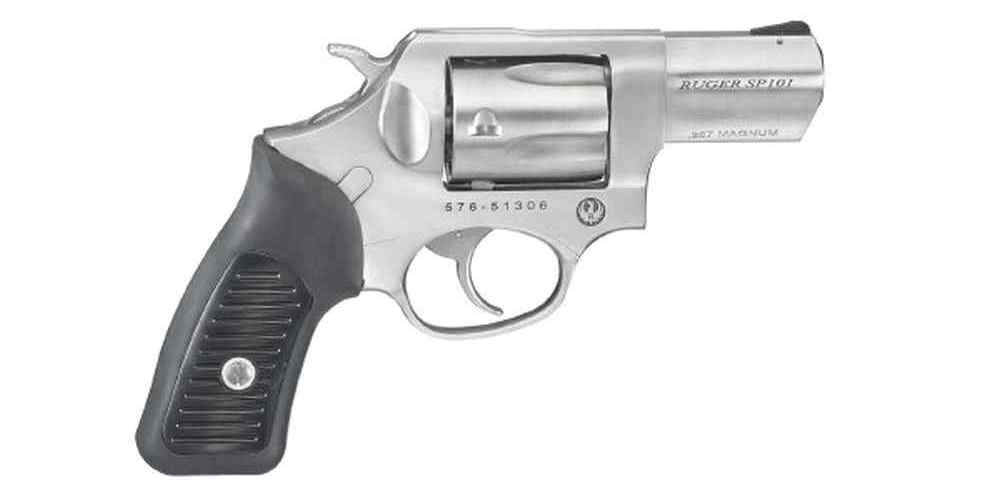
Firearm ownership comes with real responsibilities, and protecting a collection is part of that obligation. The right insurance strategy should reflect the true value of your firearms, accessories, and records—not just a generic household estimate. By understanding the limits of standard policies, collectors can avoid unpleasant surprises and build a more resilient plan.
Just as you would choose the right safe, practice proper muzzle discipline, and follow all applicable laws, you should also make sure your insurance matches the way you actually own and store firearms. A detailed inventory, secure storage, and a policy designed for firearms can make all the difference when the unexpected happens.
For collectors, hunters, and self-defense owners alike, the goal is simple: preserve what matters, remain compliant, and stay prepared. Closing the ownership insurance gap is not just smart financial planning—it is a responsible part of modern gun ownership.