For firearm owners, collectors, and serious enthusiasts, protecting value is about more than finding a rare model or paying the right price. It is about building a collection that can stand the test of time—mechanically, historically, and financially. A smart collecting strategy focuses on provenance, condition, originality, and responsible storage, all of which can help a firearm retain its worth for decades while remaining safe and legal to own.
Collecting Firearms That Hold Value for Generations
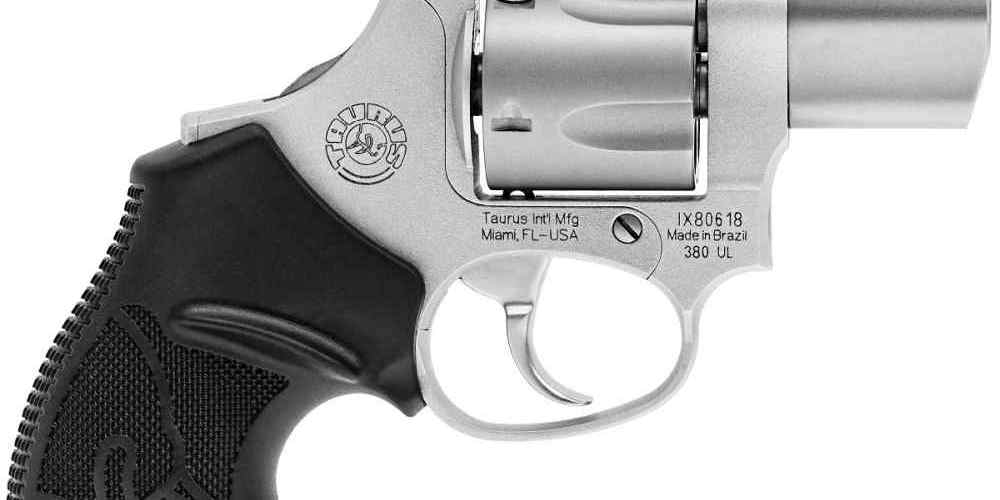
A firearm that holds value over generations usually has three things in common: documented history, original configuration, and proven craftsmanship. Collectors often place a premium on factory-original finishes, matching serial numbers, correct parts, and limited production runs because these details tell a clear story and reduce uncertainty. Classic bolt-actions, well-kept revolvers, military surplus rifles with intact markings, and commemorative pieces from reputable manufacturers are often strong candidates for long-term value retention when they are preserved carefully and legally owned.
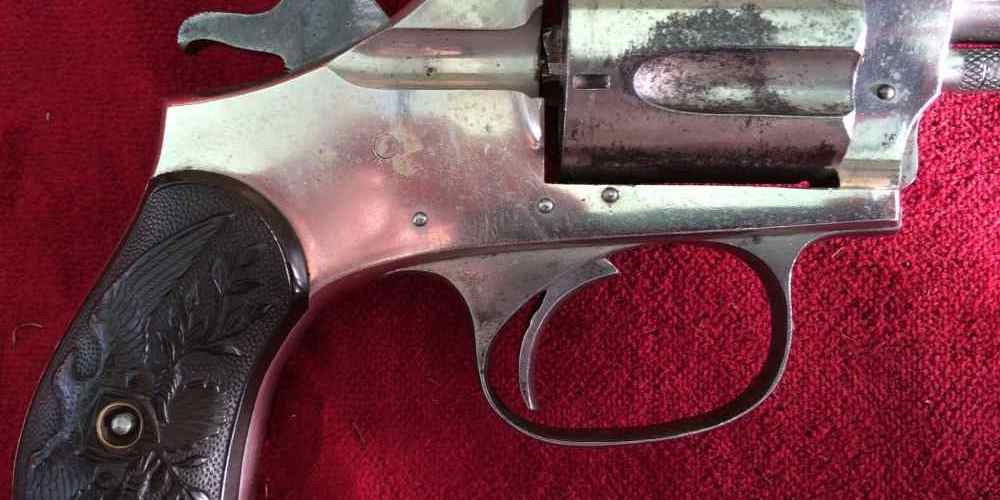
Condition matters just as much as rarity. A common firearm in excellent, original condition may outperform a rare one that has been altered, poorly refinished, or neglected. Routine maintenance should be performed with the right tools and safe handling practices, using proper clearing procedures before cleaning or inspection. For collectors, the goal is not to “improve” every gun, but to preserve what makes it authentic. Rebluing, refinishing wood, or replacing original components can reduce collector appeal if those changes erase historical integrity.
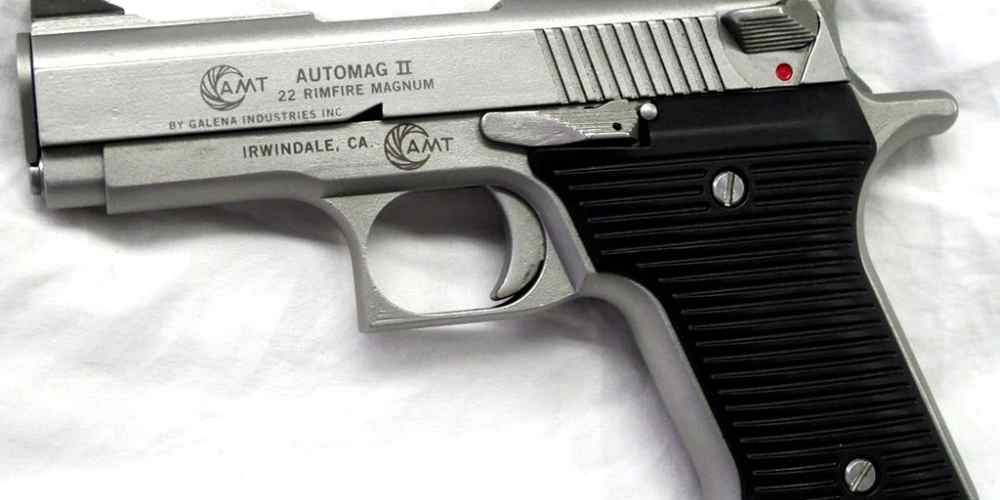
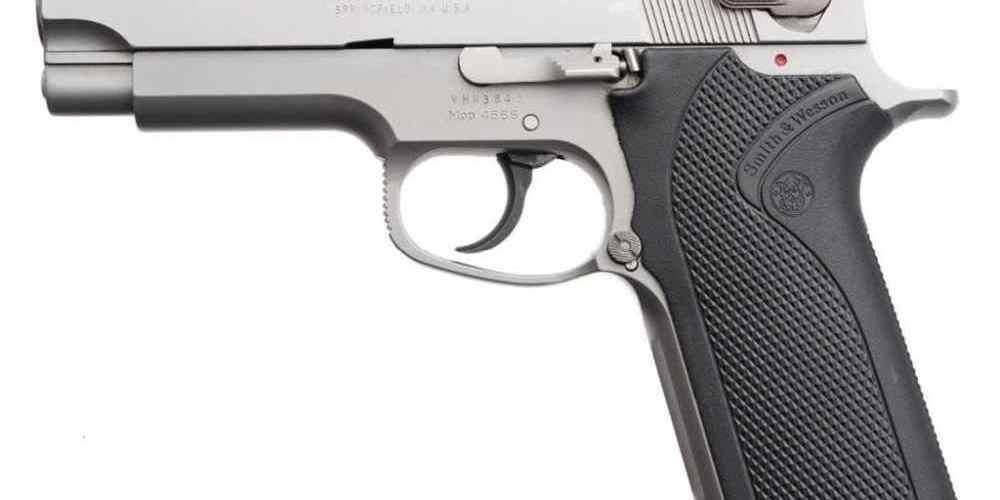
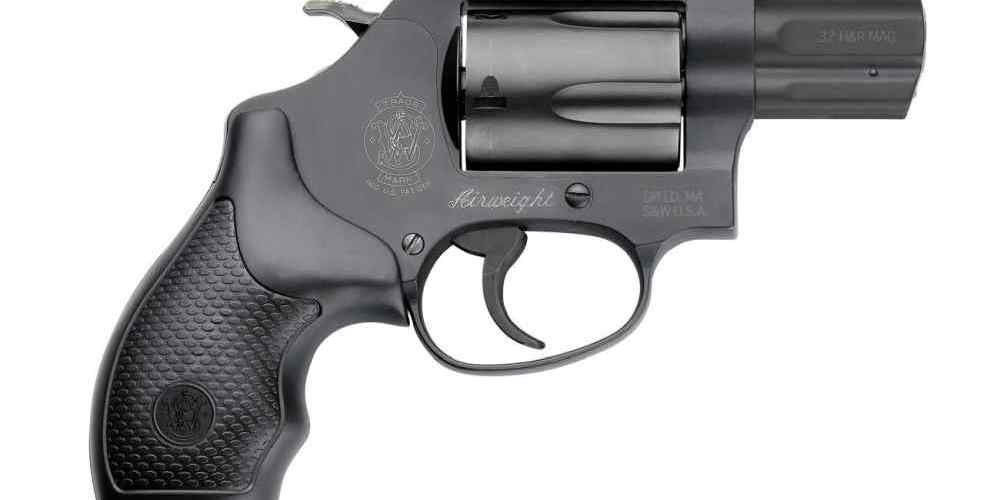
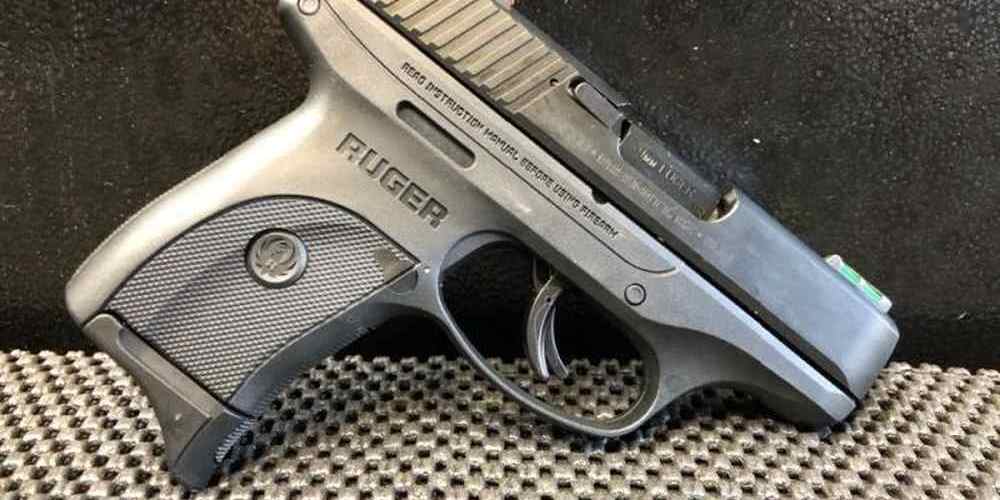
Historical context also supports value. Firearms tied to important eras, meaningful design innovations, or respected makers often remain desirable because they represent a specific point in firearm development. Early polymer pistols that changed defensive carry, surplus rifles from major conflicts, and hunting shotguns from established American manufacturers can become long-term holdings when backed by provenance and careful stewardship. When possible, keep original manuals, boxes, warranty cards, and purchase records, since those accessories and documents can significantly enhance long-term collectability.
Smart Buying Habits for Long-Term Value Protection
The best value-preserving collecting strategy starts before the purchase. Research the model, compare production years, identify common parts substitutions, and understand what “correct” means for that specific firearm. A buyer who knows whether a certain sight, stock, barrel stamp, or magazine is original is far less likely to overpay for a modified example. Trusted dealers, reputable auctions, and well-documented private sales are often better starting points than impulse buys based on appearance alone.
Buying quality also means avoiding unnecessary wear from the beginning. Choose firearms that were stored properly, inspected for safe operation, and evaluated for signs of corrosion, cracks, pitting, or amateur gunsmithing. If a gun is intended for both collecting and occasional use, consider how much shooting it can reasonably endure without harming its long-term value. Many owners choose to shoot rare pieces sparingly and use more common examples for regular range time, which is often a practical balance between enjoyment and preservation.
Long-term value protection depends on storage and documentation as much as purchase discipline. Firearms should be stored unloaded, secured in a quality safe or lockable cabinet, and protected from moisture with dehumidifiers or desiccant systems where appropriate. Record serial numbers, photographs, condition notes, and service history, and keep all ownership records current and compliant with local, state, and federal law. A well-documented, safely stored collection not only retains value better but also transfers more cleanly to future generations, preserving both the firearm and its story.
The collecting strategy that protects value over decades is ultimately a patient one: buy carefully, preserve originality, store responsibly, and document everything that matters. Firearms are most likely to hold their worth when they are treated as historical and mechanical assets rather than disposable tools. For enthusiasts who value both heritage and practicality, that approach creates a collection that remains meaningful, safe, and resilient for years to come.