Why Most People Fail to Maintain Their Spare Firearms
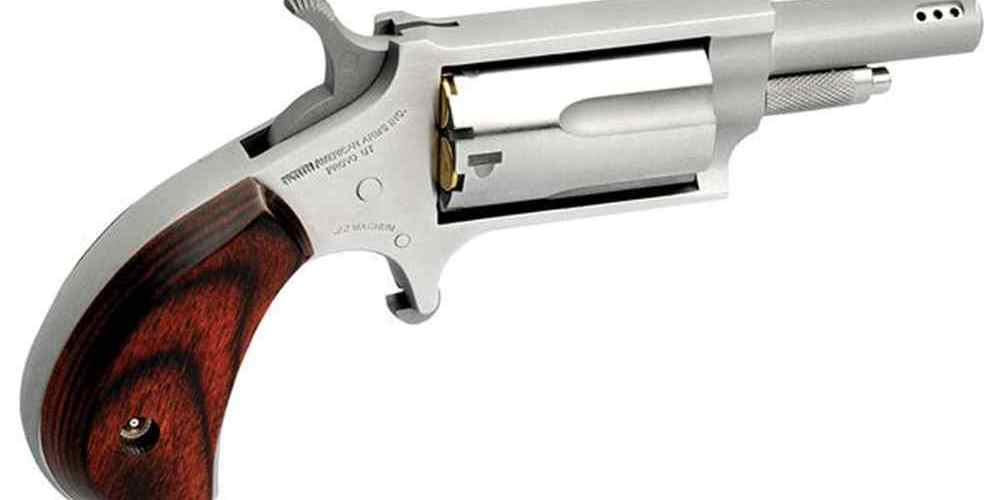
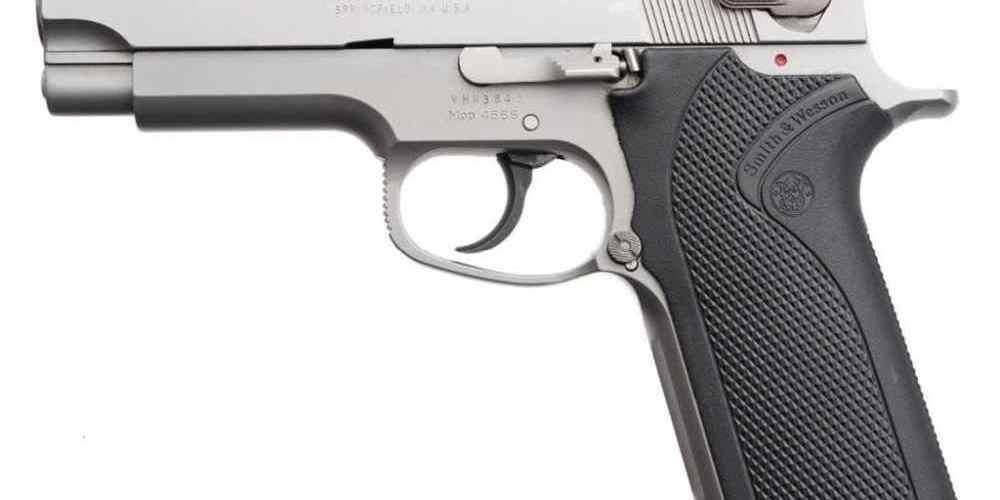
Spare firearms often get less attention than the gun that lives in the holster, rides in the truck, or sits in the bedside safe. That neglect is understandable, but it is also one of the most common reasons a backup rifle, shotgun, or handgun fails when it is finally needed. Responsible ownership means treating every firearm as a working tool that deserves regular inspection, cleaning, lubrication, and safe storage. For gun owners, hunters, and self-defense practitioners alike, a spare gun is only an asset if it remains reliable, legal, and ready for use.
Why Spare Guns Get Neglected Over Time
One of the biggest reasons spare firearms fall out of routine maintenance is simple psychology: people tend to focus on what they use most. The primary carry gun gets cleaned after range sessions, the hunting rifle gets attention before season, and the competition pistol is maintained because performance is visible. A spare gun, by contrast, may sit in a case, safe, or closet for months at a time, quietly collecting dust and humidity without reminding anyone it exists. Out of sight often becomes out of mind.
There is also a common assumption that “stored” means “safe from wear.” In reality, long-term storage introduces its own problems. Lubricants can migrate, evaporate, or thicken depending on temperature swings. Springs can lose tension over very long periods if the firearm is stored improperly. Wood stocks can dry out or absorb moisture, and metal parts can develop surface rust even when corrosion is not immediately visible. In older firearms, especially surplus or inherited pieces, hidden issues like hardened grease, cracked grips, or tired magazines can go unnoticed for years.
Another factor is confidence bias. Many owners believe that because a firearm was cleaned once and stored carefully, it will remain ready indefinitely. That mindset overlooks the realities of modern firearm systems, which depend on small tolerances, intact magazines, clean chambers, and consistent lubrication. A spare gun is not maintenance-free just because it is rarely fired. The most responsible owners treat storage as a maintenance cycle, not a substitute for one.
The Hidden Risks of Poor Firearm Maintenance
The most obvious risk of neglect is failure to function when the gun is needed, but the more serious danger is that a hidden issue can create a safety problem. A neglected firearm may suffer from rust in the bore or chamber, fouling in critical moving parts, weak magazine springs, or degraded ammunition stored alongside it. Any of these can contribute to malfunctions such as failure to feed, failure to extract, light primer strikes, or, in extreme cases, unsafe pressure issues if the bore is obstructed. A firearm should be mechanically trustworthy before it is ever relied on for hunting, home defense, or training.
Poor maintenance also affects handling and inspection. Corrosion can weaken components over time, especially in areas that are hard to see, such as under grips, around sights, inside the magazine well, or beneath optic mounts. On older guns, small cracks or worn parts may develop slowly and become obvious only during a critical moment. Even accessories matter: batteries in optics can die, iron sights can loosen, and holsters or slings can degrade. A spare firearm without a current function check is not truly ready, even if it looks fine from the outside.
The best defense against these problems is a disciplined maintenance routine. Check spare firearms on a schedule, not just when you remember them. Inspect for corrosion, wipe down metal surfaces, verify safe storage conditions, and test magazines and related accessories. Keep ammunition fresh and appropriately stored, and use quality gun-safe products such as corrosion inhibitors, silica gel, and properly sized cleaning tools. If a firearm is particularly old, heirloom-grade, or mechanically unfamiliar, have it examined by a qualified gunsmith before trusting it. Responsible gun ownership is not about collecting equipment and hoping for the best; it is about ensuring every firearm in your care is safe, legal, and ready to perform as intended.
Spare firearms fail to get maintained for the same reason many important tools get ignored: they are not used every day, so their upkeep feels optional. But a firearm that sits neglected can become unreliable, unsafe, or simply unusable when it matters most. Regular inspection, proper storage, and a consistent maintenance schedule turn a forgotten backup into a dependable part of a responsible owner’s toolkit. In the world of firearms, readiness is never accidental.