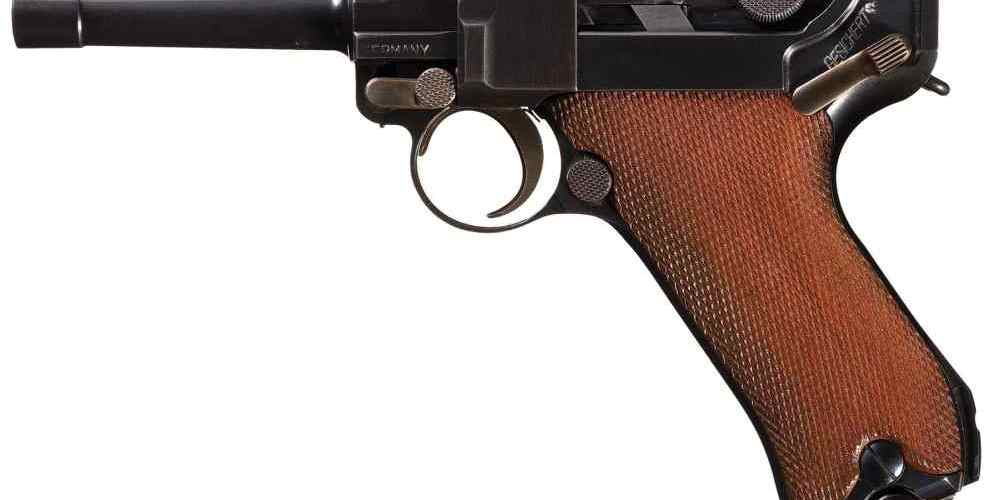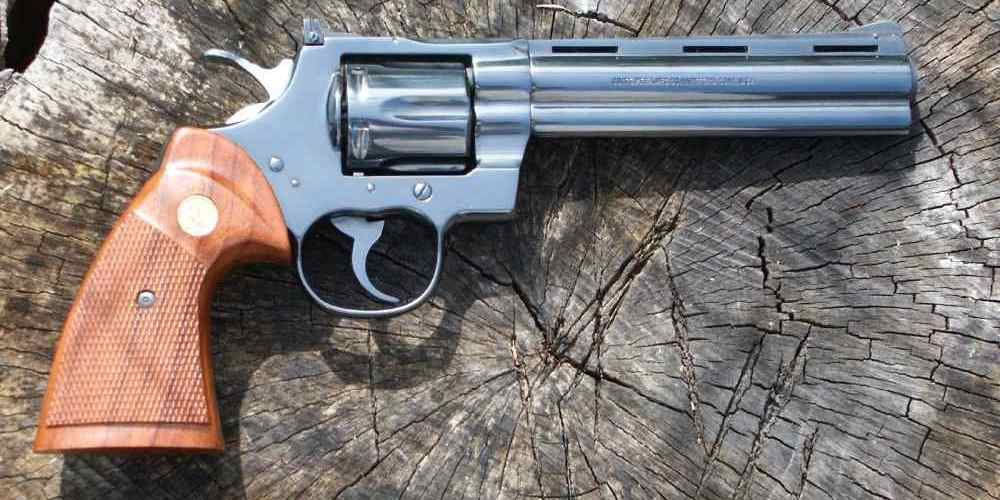
The collectible firearms market has a way of surprising even seasoned buyers. What looks like an ordinary used gun on the surface can turn out to be a desirable piece of history, while models once ignored can suddenly climb in value because of limited production, military provenance, or growing interest from serious collectors. For gun owners, hunters, self-defense practitioners, and enthusiasts alike, understanding these shifts can help you make smarter decisions, whether you are buying, selling, or simply preserving a firearm for the long term. As always, responsible ownership comes first: verify legality, follow safe handling practices, and consult trusted sources before purchasing, transferring, or displaying any firearm.
Why Collectible Firearms Surprise Buyers Now
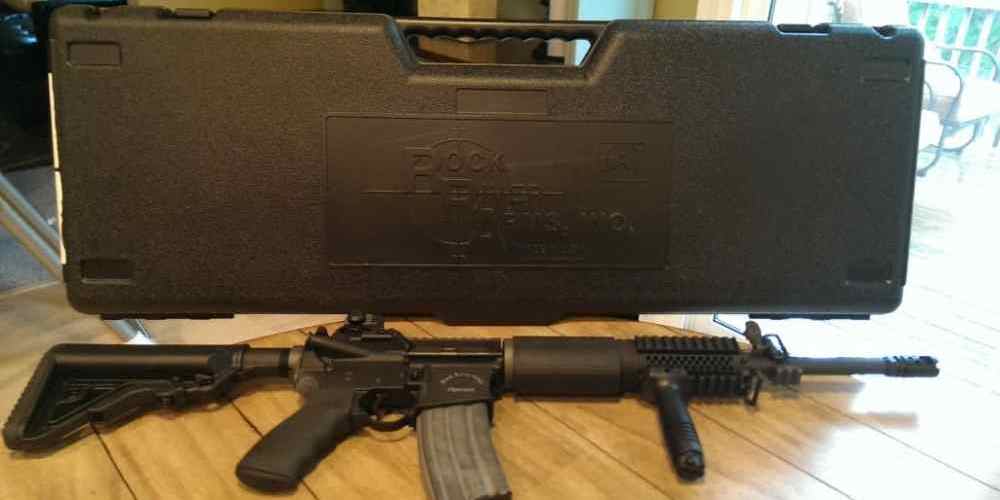
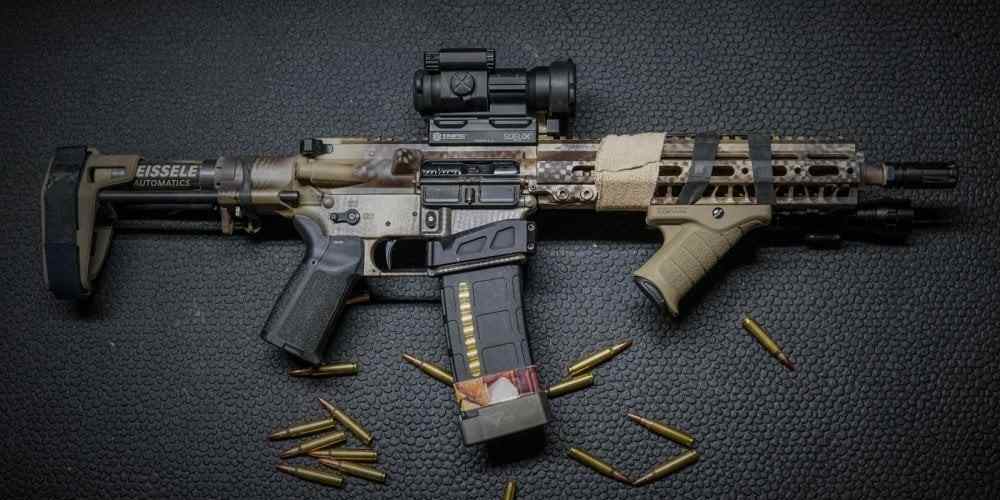
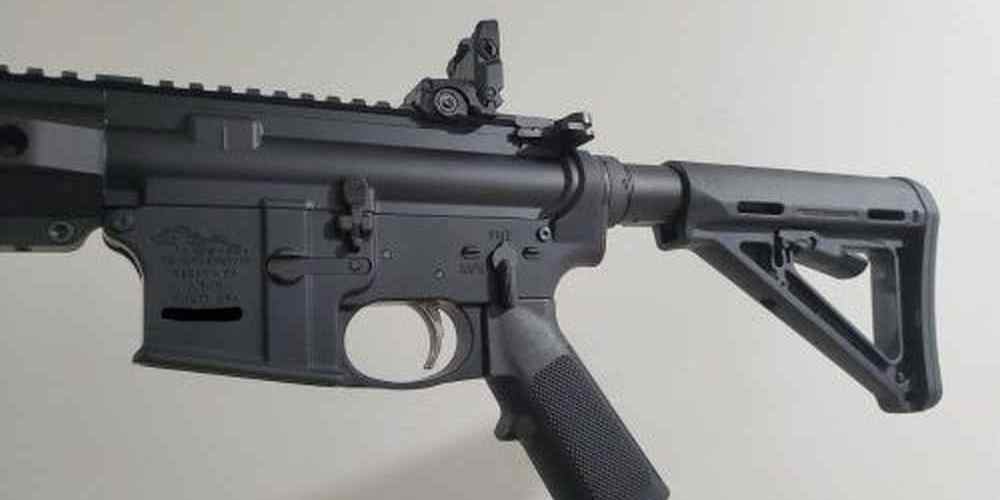
One reason collectible firearms catch buyers off guard is that the market is no longer driven only by age or brand name. Many newer collectors are looking for specific production runs, factory markings, historical import stamps, and original configuration details rather than just “old guns.” A pistol or rifle with matching serial numbers, correct finish, and original magazines can command a much higher price than a cosmetically similar firearm that has been modified or poorly refinished. That means two guns that appear nearly identical at a glance can have very different values once a knowledgeable buyer examines the details.
Another factor is the growing influence of history and documentation. Firearms tied to military service, police contracts, commemorative releases, or notable manufacturers often gain attention when paperwork, provenance, or original packaging is available. Even small differences, such as a factory-correct stock, period-correct sights, or original grips, can move a gun from “shooter” territory into “collector” territory. Buyers who are used to evaluating firearms strictly by function may be surprised to learn that the market rewards originality and traceable history almost as much as mechanical condition.
Collectors are also paying more attention to scarcity created by discontinued models and changing regulations. When a manufacturer stops production, a platform develops a reputation, or certain configurations become harder to find, demand can rise quickly. For responsible buyers, this makes research essential. Before purchasing, check reputable price guides, auction results, and forum discussions from experienced collectors, and always confirm that any firearm transfer complies with federal, state, and local law. A smart purchase is not just about finding a desirable gun—it is about ensuring safe storage, legal ownership, and proper maintenance for years to come.
What Drives Value in Vintage Gun Markets
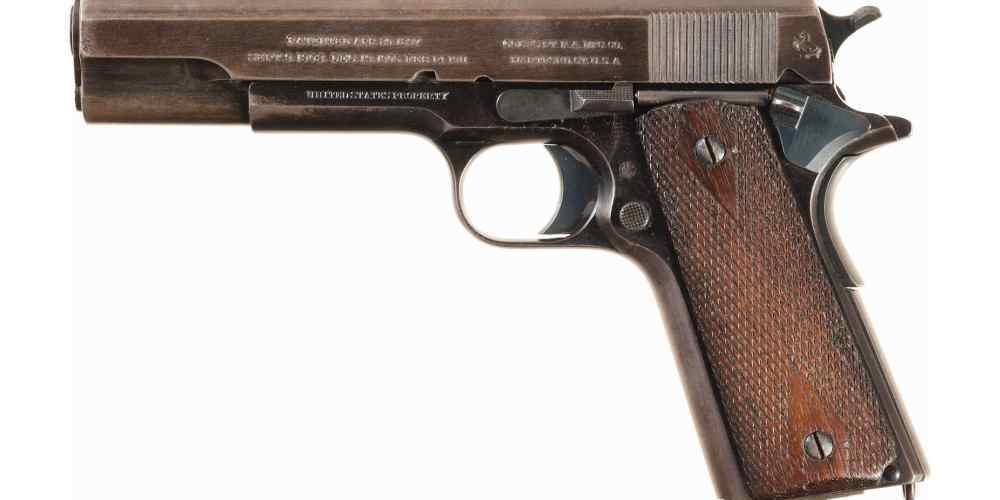
Condition remains one of the strongest drivers of value in the vintage gun market, but “condition” means more than a clean exterior. Collectors often look for original finish, crisp markings, matching numbers, and parts that have not been replaced with modern substitutes. Mechanical integrity matters too, yet a firearm with honest wear and original components can be worth more than one that has been over-restored. For example, a lightly used rifle with untouched factory blueing and correct wood can be far more appealing than a heavily polished example that has lost its original character.
Rarity and context also shape pricing in powerful ways. Limited production runs, transitional models, and firearms with unusual factory features often attract serious interest because they represent a specific moment in manufacturing history. The market can be especially responsive to variations that only trained eyes notice, such as changes in slide serrations, barrel markings, proof stamps, or sight configurations. Hunters and defensive shooters may focus on reliability and utility, but collectors tend to value the story behind the firearm as much as the gun itself. That story can include the era it came from, the purpose it served, and how few examples remain in original condition.
A final value driver is trust. Buyers are increasingly cautious about authenticity, and that makes documentation, professional inspection, and transparent seller practices more important than ever. If you are considering a collectible firearm, ask for clear photos, serial number information where legally appropriate, and details about any modifications or repairs. Use proper safety procedures when inspecting any gun: keep it pointed in a safe direction, verify it is unloaded, and check the chamber and magazine well carefully. If you are unsure about condition or value, consult a qualified gunsmith or an experienced collector before making a decision. In a market that can move quickly, careful evaluation protects both your wallet and your safety.
The collectible firearms market continues to catch buyers off guard because value is shaped by more than age alone. Originality, rarity, historical significance, and documented provenance can turn an overlooked firearm into a prized collectible. For responsible owners, the best approach is to stay informed, handle every firearm safely, and verify that any purchase or transfer follows the law. With patience and research, collectors and everyday gun owners alike can avoid costly mistakes and appreciate the craftsmanship, history, and significance behind each firearm.