Choosing a backup firearm is one of those decisions that sounds simple until you start looking closely at how people actually carry, train, and live with their guns. Many owners focus on size alone, or on whatever feels easiest to hide, and end up with a backup weapon that is awkward to use, unpleasant to train with, or unreliable when it matters most. A truly good backup firearm should complement your primary setup, fit your hands, run consistently, and support safe, lawful defensive use—not just disappear under a shirt.
Why Backup Gun Choices Go Wrong for Many Owners
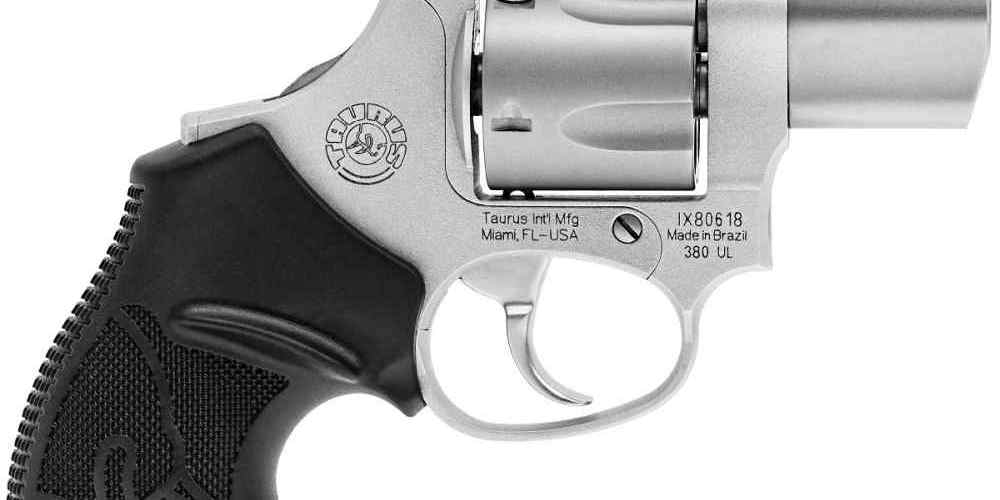
A backup firearm is meant to solve a problem, but too often it creates new ones because the selection process is driven by convenience instead of purpose. People usually buy the smallest pistol they can find, assuming that less size automatically means better concealment and faster access. In reality, tiny handguns can be harder to shoot well, more sensitive to grip errors, and less forgiving under stress, especially for shooters with larger hands or limited practice time.
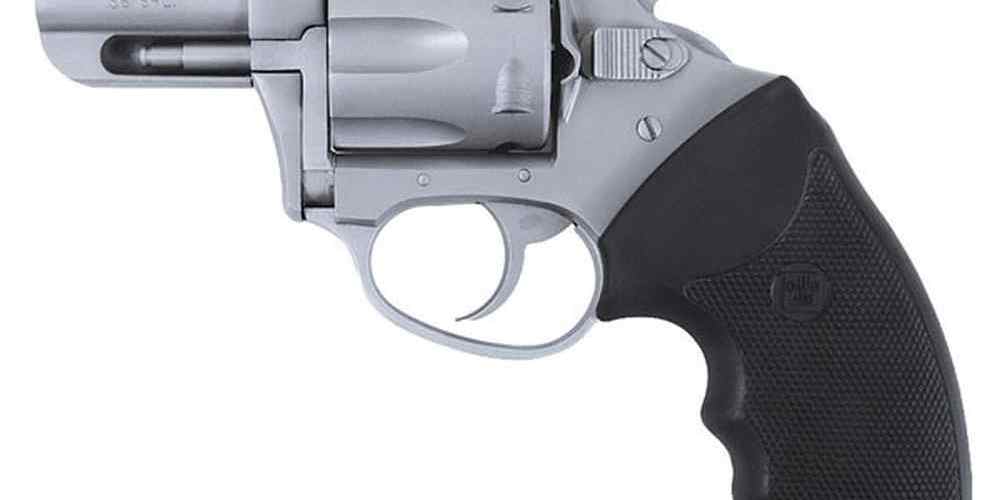
Another common mistake is choosing a backup gun that is too different from the primary firearm. If your main carry pistol and your backup use different manual safeties, trigger systems, magazines, or sighting setups, you have doubled the number of habits you need to maintain. Historically, law enforcement agencies learned this lesson the hard way when officers carried compact revolvers as backups to duty semi-autos; the transition between systems could cause hesitation in high-stress moments. The modern equivalent is carrying a micro-compact you never train with, simply because it seemed easy to pocket.
The best backup firearm is not the one that looks clever in a product photo; it is the one you can deploy safely, maintain easily, and shoot accurately enough to trust. That means thinking beyond marketing language and paying attention to real-world factors like trigger control, recoil management, sight visibility, and magazine compatibility. For many owners, a slightly larger compact handgun that mirrors the controls of the primary carry gun will be a much better solution than the smallest model on the shelf.
Common Mistakes That Undermine Carry Reliability
One of the biggest reliability errors is failing to test the backup firearm thoroughly before relying on it. Some owners buy a compact or subcompact pistol, load it, and assume it is ready because it came from a reputable manufacturer. But every firearm has preferences, and every carry setup introduces variables such as holsters, ammunition, lubrication, and magazine springs. A backup gun should be fired enough to confirm function with your chosen defensive load, including realistic reloads and repeat strings, before you ever consider it part of your carry system.
A second mistake is neglecting ergonomics and shootability. Backup guns often have short grips, abbreviated sight radius, and sharp recoil, which can make them difficult to control during rapid fire. That matters because defensive shooting is not just about firing a single round; it is about making safe, accurate hits under pressure. If the gun is so small that you cannot maintain a secure grip or reach the controls consistently, it may be “easy to carry” but hard to use responsibly. Choosing a firearm that fits your hand and allows confident manipulation is a practical safety issue, not a matter of preference alone.
Finally, many owners overlook the role of regular maintenance and legal, secure carry practices. A backup firearm that rides in a pocket, ankle holster, or bag needs more attention than people often realize: lint, sweat, and debris can affect function, and holsters must fully protect the trigger guard. Equally important, backup carry should always comply with local laws, range rules, and safe storage requirements. Responsible owners should treat a backup gun with the same seriousness as a primary firearm—inspecting it, training with it, and securing it properly so it remains dependable when needed and inaccessible to unauthorized hands.
The wrong backup firearm is usually chosen for the right reasons taken too far: smaller, lighter, cheaper, or easier to hide. But backup carry is not about chasing the smallest possible package; it is about reliability, control, and confidence under stress. The owners who get it right understand that a secondary firearm must be trained with, maintained, and selected as part of a complete defensive plan.
If you are evaluating your own setup, start with honest questions: Can I shoot this accurately? Can I access and operate it under pressure? Will it function with my chosen ammunition? Does it fit my carry method and legal environment? Answering those questions carefully will help you avoid the most common mistakes and choose a backup firearm that truly supports safe, responsible ownership.