The right to defend yourself and your home is one of the most deeply rooted principles in firearms law, but it is also one of the most misunderstood. For responsible gun owners, knowing when self-defense is legally justified can matter as much as marksmanship, firearm maintenance, or safe storage. The legal standard is not about being eager to use force; it is about understanding the narrow circumstances in which the law recognizes a genuine threat and permits a measured response.
For hunters, concealed carriers, home defenders, and seasoned firearm enthusiasts alike, this principle is more than a theory discussed in courtrooms and training classes. It shapes how you carry, how you secure your firearm, how you respond under stress, and how you articulate your actions afterward. A well-informed owner is better prepared not only to protect life, but also to avoid legal mistakes that can follow a defensive incident long after the threat has ended.
Understanding the Law Behind Self-Defense Rights
At the center of self-defense law is a simple idea: force may be justified when a person reasonably believes it is necessary to prevent imminent unlawful harm. In most jurisdictions, the key words are “reasonable,” “imminent,” and “necessary.” That means a defensive response is judged not by hindsight, but by what a prudent person would have believed at the moment, given the totality of the circumstances. This is why legal self-defense is so fact-specific and why training matters.
For firearm owners, the most important distinction is between avoiding danger and escalating it. The law generally expects you to use the least force reasonably available to stop a threat. That may mean retreating if your local law requires it, barricading yourself inside a locked room, calling 911, or presenting a firearm only when there is a genuine risk of death or serious bodily harm. A firearm is not a tool for intimidation; it is a last-resort lifesaving device.
Historically, self-defense law has evolved from common-law ideas like the “castle doctrine,” which recognizes a person’s home as a place of special protection, and “stand your ground” statutes in some states, which remove a duty to retreat in certain circumstances. Even so, these doctrines do not create a blanket license to use force. They are still limited by proportionality, reasonableness, and the requirement that the threat be immediate. A responsible gun owner should know the exact rules where they live, travel, hunt, or carry.
How Owners Can Stay Safe and Legally Prepared
The best legal defense starts long before any crisis. Owners should understand their state and local statutes, including rules on carry permits, use-of-force thresholds, and where firearms are restricted. Reading the law is useful, but it is even better to take a reputable self-defense and legal-education course that explains how those statutes are applied in real incidents. If your state has different standards for the home, vehicle, workplace, or public spaces, learn those differences well.
Practical preparation also includes safe storage and reliable equipment. A defensive firearm should be securely stored in a way that prevents unauthorized access while still allowing rapid retrieval by the lawful owner. Quality safes, lockboxes, and weapon-mounted lights can all support responsible readiness, especially in low-light home-defense scenarios. Just as important, regular practice with your chosen handgun, shotgun, or rifle should include not only accuracy drills, but also safe presentation, target identification, and communication under stress.
Finally, every owner should know what to do after a defensive use of force, because post-incident behavior can matter greatly. Call 911, request medical assistance if needed, and provide only essential facts until you have legal counsel: identify yourself, report that you were attacked, state that you need police and medical help, and avoid detailed explanations while still shaken. Do not tamper with evidence, and do not make assumptions about what witnesses saw. Responsible ownership includes understanding that surviving the encounter is only part of the picture; handling the aftermath carefully can protect both your freedom and your future.
The self-defense legal principle every owner must know is not a slogan or a loophole—it is a responsibility. Firearms ownership carries serious moral, practical, and legal obligations, and the best owners treat those obligations with discipline. Knowing the law, training regularly, and preparing for the aftermath of an incident are all part of the same mindset: protect life, act lawfully, and avoid unnecessary risk.
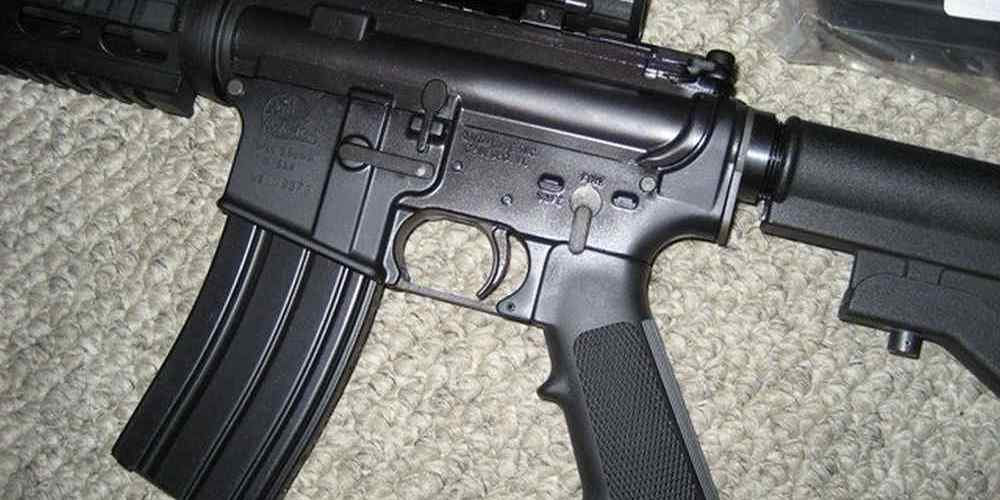
For the firearms community, that mindset is what separates casual possession from true stewardship. A well-trained owner does not just know how to shoot; they know when not to shoot, how to stay safe, and how to make sound decisions under pressure. That combination of knowledge and restraint is what responsible self-defense is all about.