The most important firearm safety conversation in a home is often the one parents put off the longest: the direct, age-appropriate talk about what guns are, where they are, how they must be treated, and what to do if a child ever encounters one. For responsible gun owners, this is not about fear or politics; it is about stewardship. A firearm can be a tool for sport, defense, and hunting, but in a family environment it also demands clear boundaries, consistent training, and honest communication.
Across generations, experienced shooters have understood a simple truth: children are naturally curious, and curiosity around firearms is not something to “hope away.” The safer path is to teach early, repeat often, and make safety part of the household culture. When that conversation is handled calmly and confidently, it does not increase risk—it reduces it. It gives children a script, parents peace of mind, and everyone in the home a better understanding of what responsible ownership looks like in practice.## Why Parents Dodge the Gun Safety Conversation
Many parents avoid the firearm talk because they worry it will create fascination or anxiety. They may fear saying the wrong thing, introducing a topic “too early,” or making a gun seem more interesting than it already is. But in reality, silence leaves children to fill in the blanks themselves, and they often learn from movies, games, friends, or the internet—none of which are reliable sources for safety. For gun-owning families, especially those who hunt or train for self-defense, that gap is unnecessary and avoidable.
Another reason parents hesitate is that the topic feels emotional. Firearms can represent heritage, responsibility, protection, or controversy, depending on the family and community. That emotional weight makes some adults overcomplicate the discussion, as if it must be a formal lecture with perfect wording. In practice, the best firearm safety conversations are straightforward and repeated over time. A child does not need a speech; they need a clear rule set: never touch an unattended gun, leave the area, get an adult, and never assume a firearm is unloaded.
There is also a practical side to this avoidance. Parents sometimes assume safe storage alone is enough, and while secure storage is essential, it is not a substitute for education. A locked safe, cable lock, trigger lock, or other storage system helps prevent unauthorized access, but no physical barrier is perfect in every situation. Modern responsible ownership combines storage, training, and communication. Just as a parent teaches a child about electricity, traffic, or stranger safety, firearm safety should be treated as a standard household lesson rather than an emergency-only topic.
How to Start It With Calm and Confidence
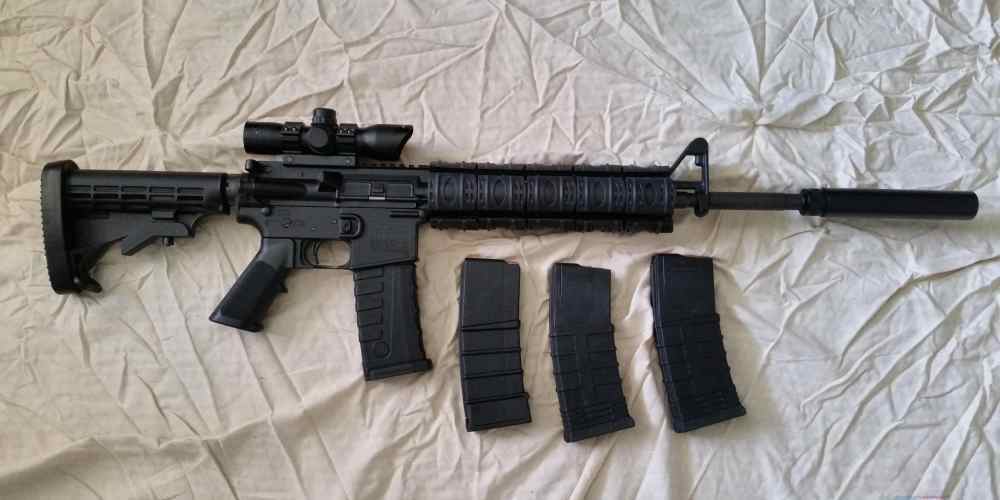
Start with simple language and make the message age-appropriate. Younger children do not need technical detail; they need a concrete rule: if you see a gun, do not touch it, move away, and tell an adult immediately. Older children and teens can handle more detail, including why firearms must always be treated as loaded, why muzzle awareness matters, and why trigger discipline is non-negotiable. If your family owns multiple firearms—such as a hunting rifle, a home-defense handgun, or a shotgun—showing differences in purpose and handling can help children understand that all firearms are serious tools, regardless of type.
Calm confidence matters because children read tone as much as content. If a parent speaks matter-of-factly, the lesson feels normal and important, not taboo. It helps to use concrete demonstrations with an unloaded firearm only if the child is mature enough and the adult can control the environment completely. This can include showing how the action is opened, verifying the chamber is empty, and explaining safe direction, trigger discipline, and storage rules. The point is not to hand over responsibility; it is to model the discipline that responsible shooters practice every time they handle a gun. If you keep ammunition stored separately and use a locked container or safe, say so plainly.
Finally, make the conversation ongoing, not one-and-done. Safety habits are built through repetition, just like marksmanship fundamentals. Before a range trip, review hearing protection, eye protection, muzzle direction, and the commands you use. Before a hunting season, talk about game laws, target identification, and backstop awareness. If your home includes firearms for self-defense, children should still understand that access is limited to adults and that any firearm they encounter outside of a supervised setting is off-limits. In the end, the family firearm safety talk most parents avoid is the very one that helps keep everyone safer: direct, calm, and reinforced by everyday example.
Responsible gun ownership is not only about buying quality equipment or choosing the right caliber; it is about creating a home where safety is practiced intentionally. When parents address firearms openly, they replace uncertainty with understanding and reduce the chance of dangerous mistakes. A child who knows the rules is far better protected than one who has only been told, “Don’t touch that,” without context.

The strongest firearm culture in any home is one built on competence, storage discipline, legal compliance, and honest communication. Whether your firearms are for hunting, defense, or sport, the family safety conversation is part of the responsibility that comes with ownership. Start it early, keep it calm, and repeat it often—that is how serious gun owners protect both their households and the tradition they value.