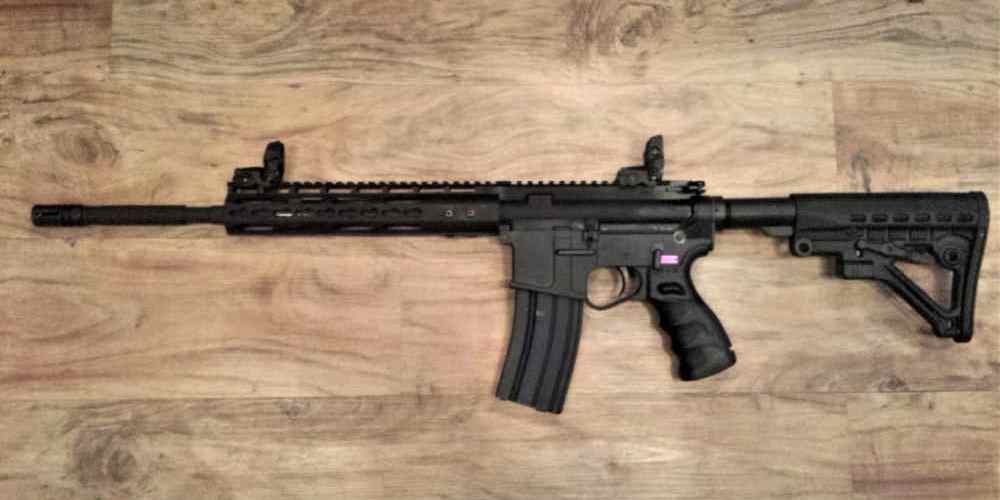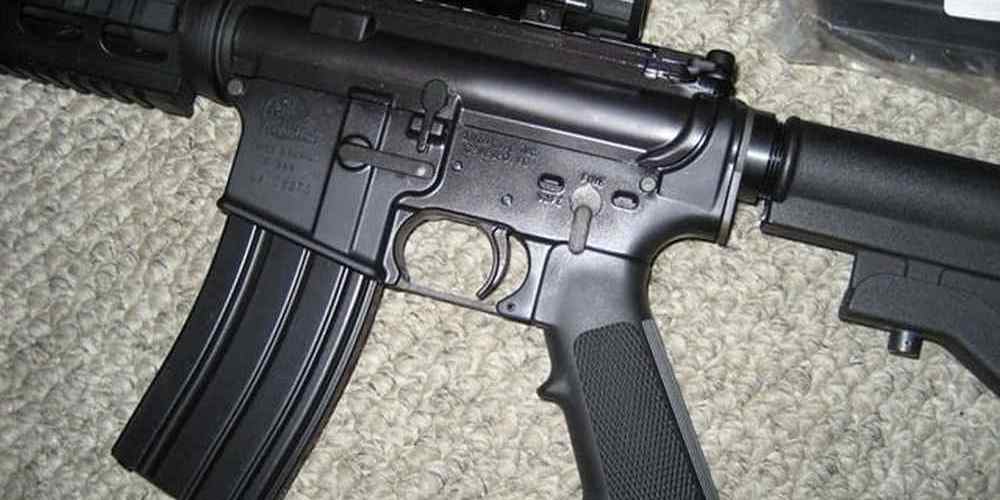
Spare magazines are some of the most important, yet most frequently ignored, accessories in a firearm owner’s kit. Many shooters spend time cleaning their pistols or rifles, checking optics, and stocking ammunition, but let spare magazines sit untouched in a range bag, safe, or glove compartment for years. That habit is understandable, but it is not ideal. A magazine is not just a container for cartridges; it is a mechanical component with springs, feed lips, followers, and a body that all have to work together reliably under stress. For hunters, self-defense practitioners, and recreational shooters alike, the condition of spare magazines can have a direct impact on safety, reliability, and confidence.
Why Spare Magazines Get Overlooked
One major reason spare magazines get overlooked is simple psychology: most firearm owners focus on the gun itself because that is what gets cleaned, handled, and talked about the most. The firearm’s serial number, caliber, barrel condition, and action type are front and center, while magazines often feel like secondary gear. Historically, this mindset has roots in older firearm designs that used fixed magazines, internal magazines, or loaders that did not require the same level of maintenance as today’s detachable box magazines. But in modern use, especially with defensive pistols and semi-automatic rifles, the magazine is often the first point of failure when reliability problems appear.
Another reason is that magazines rarely give obvious warning signs. A bent feed lip, weakened spring, cracked baseplate, or worn follower may not be visible at a glance. Many owners store spare magazines loaded for long periods and assume that if they have not malfunctioned yet, they are fine. In reality, dirt, moisture, temperature swings, and simple age can all affect performance over time. Even quality magazines from respected manufacturers benefit from periodic inspection, rotation, and function checks. A quick visual inspection, some safe disassembly for cleaning, and testing at the range can reveal issues long before they become serious.
Cost and convenience also play a role. Firearm owners often buy one or two magazines with the gun and stop there, especially if replacements are expensive or hard to find. That can lead to a “use the same one every time” routine, where the most reliable magazine gets all the attention and the others remain backups in name only. For responsible ownership, it is wise to label magazines, rotate them during practice, and note any stoppages or failures. A small habit like keeping a simple log of which magazine was used, cleaned, or replaced can save time and frustration later.
The Real Costs of Neglected Mag Care
Neglected magazines can create reliability problems at the worst possible moment. Failures to feed, double feeds, and rounds nose-diving in the magazine well are often traced back to magazine issues rather than the firearm itself. In a hunting setting, that can mean a missed opportunity or a wounded animal that cannot be followed up immediately. In a defensive context, it can mean a life-or-death malfunction when every second matters. That is why many instructors treat magazines as consumable wear items, not permanent gear, and recommend replacing springs, followers, or entire magazines when problems appear.
There are also safety and legal considerations. A damaged magazine that releases rounds improperly or fails to seat correctly can create confusion during loading and unloading. Poorly maintained magazines may also contribute to negligent handling if a user assumes a firearm is unloaded when a round remains in a faulty magazine or chambered unexpectedly during manipulations. Responsible gun owners should always follow the fundamental rules of firearm safety, keep muzzles pointed in a safe direction, and verify firearm status manually before maintenance. If a magazine shows cracks, corrosion, or severe wear, it should be removed from service rather than “made to work” through guesswork.
The financial cost of neglect can be surprisingly high as well. A cheap magazine that causes repeated malfunctions can waste ammunition, damage confidence, and lead owners to blame the firearm, when the real issue is the magazine. Over time, that may result in unnecessary parts purchases or even avoidable gunsmith work. The better approach is preventative care: keep magazines clean and dry, store them properly, replace worn springs when needed, and test them with the ammunition you actually plan to use. For serious use, it is worth investing in quality magazines from reputable makers and keeping spares that have been proven at the range, not just purchased and forgotten.
Spare magazines deserve the same respect as the firearms they support. They are small, inexpensive compared with the gun itself, and easy to overlook, but they are central to dependable performance. A little maintenance, periodic inspection, and range testing can dramatically reduce malfunctions and improve confidence for hunting, sport shooting, and lawful self-defense. Responsible firearm ownership means paying attention to every component that affects safety and reliability, including the magazines that many people neglect until something goes wrong.