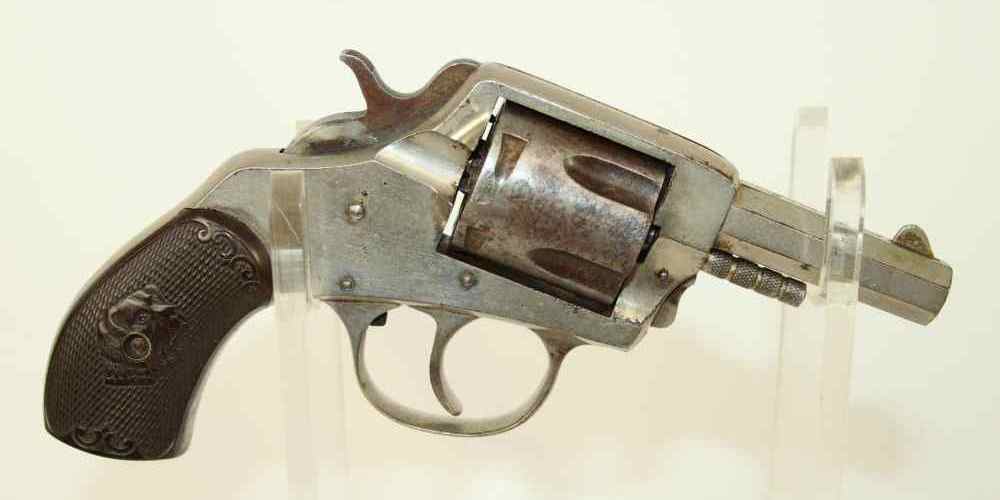
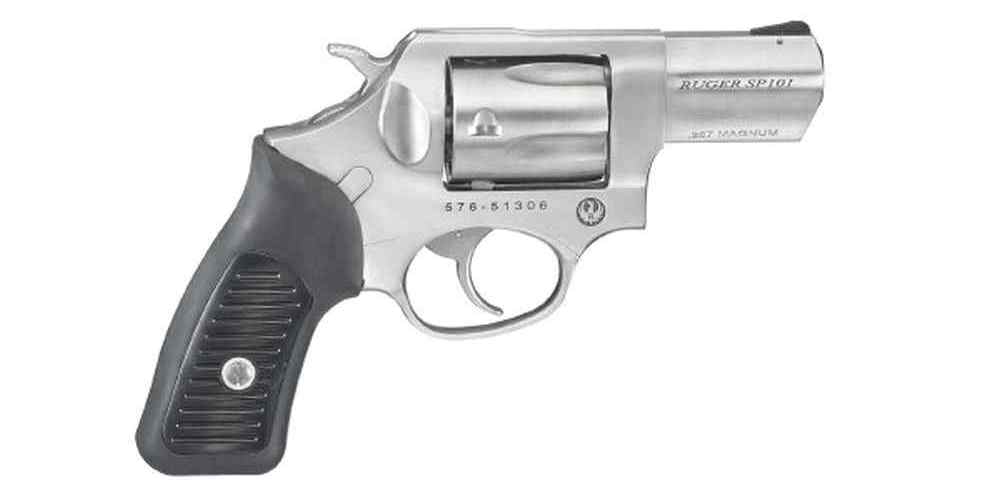
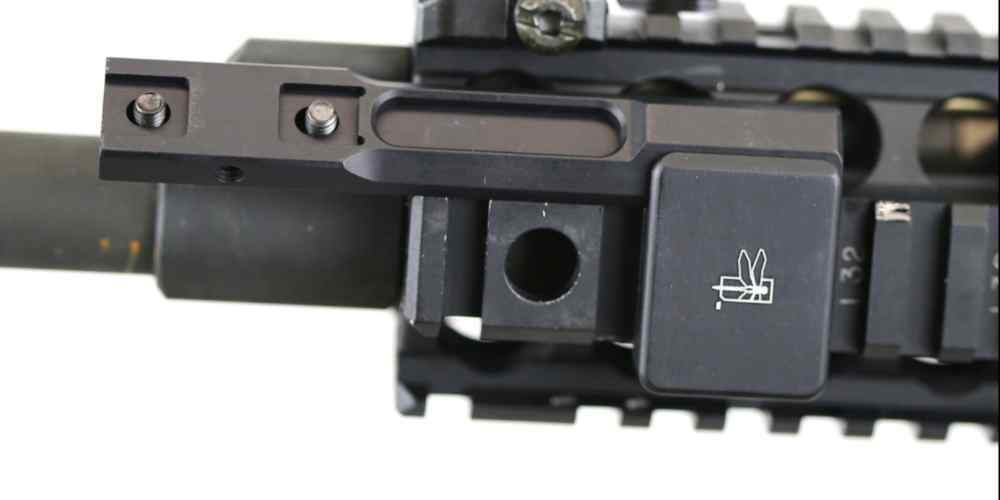
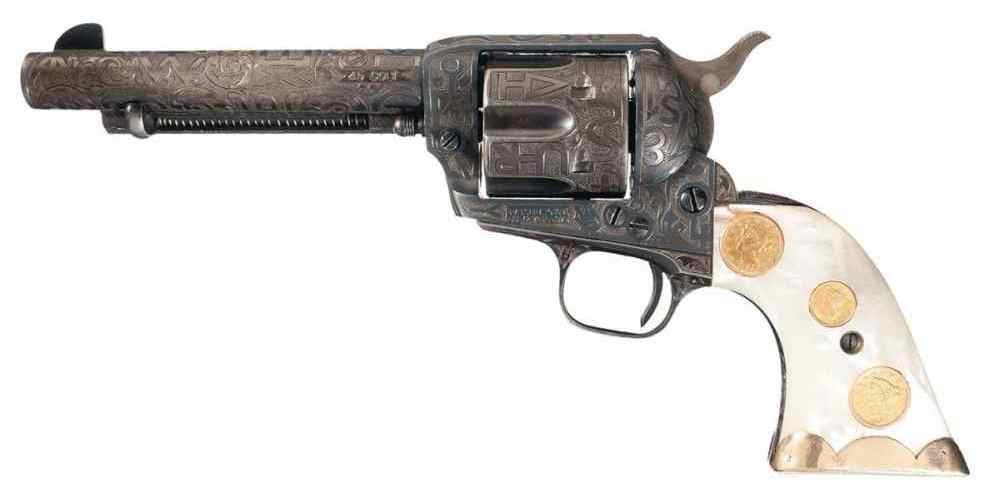
The modern firearm did not appear fully formed—it was built through centuries of steady, practical upgrades that solved one problem at a time. Each leap forward, from ignition systems to stronger metals and cleaner-burning propellants, improved reliability, safety, speed, and accuracy. For today’s gun owners, hunters, and responsible self-defense practitioners, understanding that upgrade path offers more than historical insight: it helps explain why certain platforms perform the way they do, what parts matter most, and how to maintain and use firearms safely and effectively.
From Muzzleloaders to Repeaters: A Firearms Evolution
Early firearms were muzzleloaders, and their defining limitation was simple: they loaded from the front of the barrel, one careful step at a time. That meant slow reloads, exposed powder charges, and a level of inconsistency that made shooting as much an exercise in patience as in marksmanship. Yet muzzleloaders laid the foundation for everything that followed, teaching gunmakers how barrel length, bore diameter, ignition, and projectile fit affected performance. For hunters today, that history still matters because many muzzleloading principles—especially around safe loading, consistent powder measurement, and clean ignition—remain directly relevant.
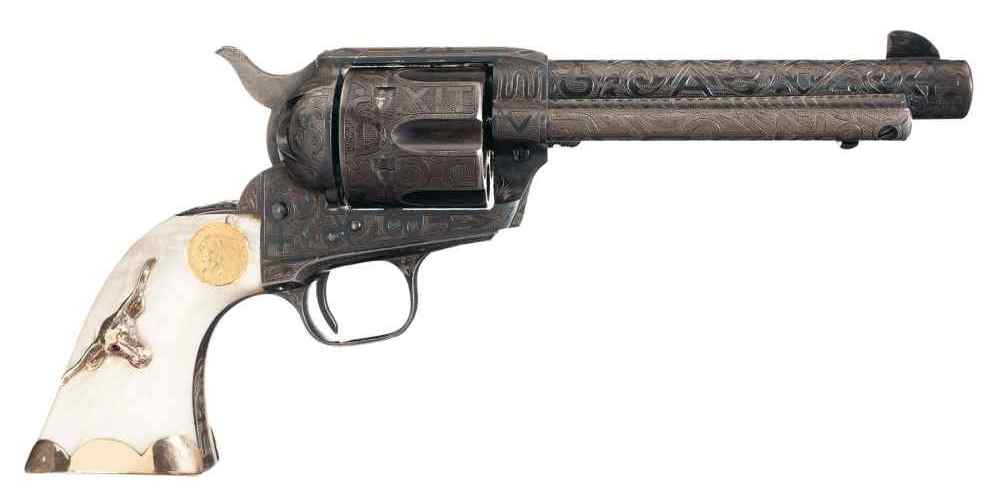
The move to breech-loading and then repeating firearms was the true turning point. By allowing ammunition to be loaded from the rear of the barrel or chamber, designers made firearms faster, more practical, and safer to operate under pressure. Lever actions, bolt actions, pump actions, and later semi-automatics each represented a different answer to the same question: how can a shooter fire again quickly without sacrificing reliability? These systems also changed real-world use, giving hunters faster follow-up shots, lawfully armed citizens more dependable defensive tools, and competitive shooters the consistency needed for precision and speed. The key lesson for owners is that action type affects more than convenience—it shapes how you clean, inspect, carry, and use the firearm responsibly.
Repeaters also helped standardize cartridges, which was a major step toward modern firearm ecosystems. Instead of juggling loose powder, ball, and patch, shooters could rely on fixed ammunition with more predictable performance and simpler handling. That development improved safety by reducing the number of exposed components and lowering the chances of accidental contamination or loading errors. For anyone purchasing parts or accessories today, this history is a reminder to match components carefully to the firearm’s action, caliber, and intended use. A well-maintained repeater is not just faster; it is the result of generations of refinement built around dependable, safe operation.
Smokeless Powder, Steel Frames, and Modern Platforms
The introduction of smokeless powder transformed firearms more dramatically than many casual observers realize. Compared with black powder, smokeless propellants produced far less fouling, higher velocities, and more consistent pressure curves, which meant cleaner barrels and better long-range performance. This change also demanded stronger engineering, because higher pressures required barrels, receivers, and locking systems capable of handling significantly greater stress. Modern shooters benefit from that leap every time they enjoy flatter trajectories, reduced maintenance, and the practical accuracy demanded by hunting, sport shooting, and defensive applications.
At the same time, metallurgy and manufacturing advanced from forged and machined parts to highly refined steel alloys, heat-treated components, and eventually precision casting and polymer integration. Steel frames and stronger receiver designs improved durability and longevity, while corrosion-resistant finishes and better tolerances made firearms more dependable in harsh environments. Today’s platforms—whether classic wood-and-steel rifles or modern striker-fired pistols—stand on that engineering foundation. Responsible owners should remember that modern materials do not eliminate the need for inspection: check for wear, follow manufacturer torque and maintenance guidance, and replace springs, recoil parts, and other consumables on schedule to preserve safe function.
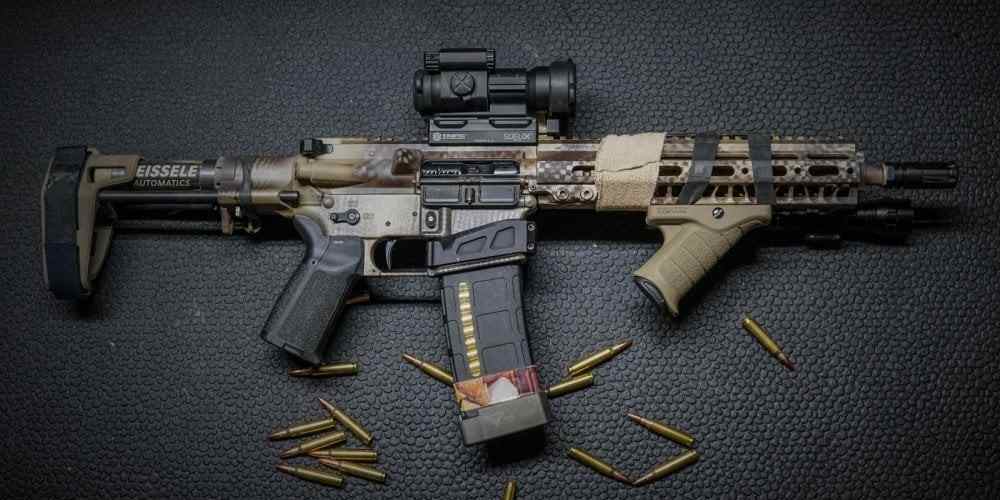
Modern firearms are also defined by modularity. Optics-ready slides, adjustable stocks, accessory rails, interchangeable barrels, and drop-in triggers reflect a century of lessons about versatility and user needs. For enthusiasts, this makes it easier to tailor a firearm to body size, mission profile, or hunting environment, but customization should always be approached carefully and legally. Confirm compatibility before installing parts, verify function after any change, and test the firearm with the ammunition you intend to use. The best modern platform is not simply the most accessorized one—it is the one that is reliable, properly fitted, and well understood by its owner.
The historical upgrade path that created modern firearms is really a story of solving practical problems: faster loading, better ignition, stronger materials, cleaner propellants, and more adaptable designs. Each improvement made firearms more capable, but also placed greater responsibility on the shooter to understand the platform, maintain it properly, and use it safely and within the law. For today’s firearm owners, that perspective is valuable because it turns every rifle, shotgun, and handgun into more than a tool—it becomes a piece of living history shaped by innovation, discipline, and craftsmanship.