Firearm ownership comes with responsibilities that go far beyond safe handling and secure storage. For hunters, sport shooters, self-defense practitioners, and collectors alike, one of the most overlooked responsibilities is making sure the financial side of ownership is protected. Yet many gun owners assume a standard homeowners or renters policy will cover theft, damage, liability, or legal claims involving firearms—and that assumption can leave a serious gap. In practice, firearm coverage often has limits, exclusions, deductibles, and sublimits that do not reflect the real value, use, or risk profile of modern firearms collections and accessories.
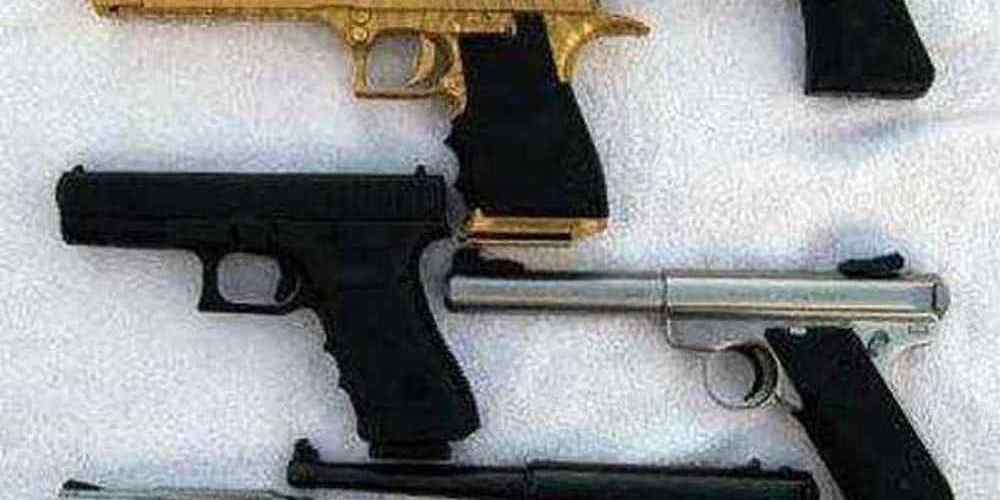
That gap matters because firearms are not just tools; they are regulated property with specialized accessories, changing market values, and legal responsibilities attached. A rifle used for hunting, a handgun kept for lawful personal protection, and a competition shotgun may each be treated differently by an insurer. Add optics, suppressors where legal, premium holsters, safes, ammunition, and custom parts, and the total replacement cost can rise quickly. Understanding where ordinary insurance falls short is a key part of responsible gun ownership, right alongside training, storage, and compliance with state and federal law.
Why Firearm Coverage Often Falls Short
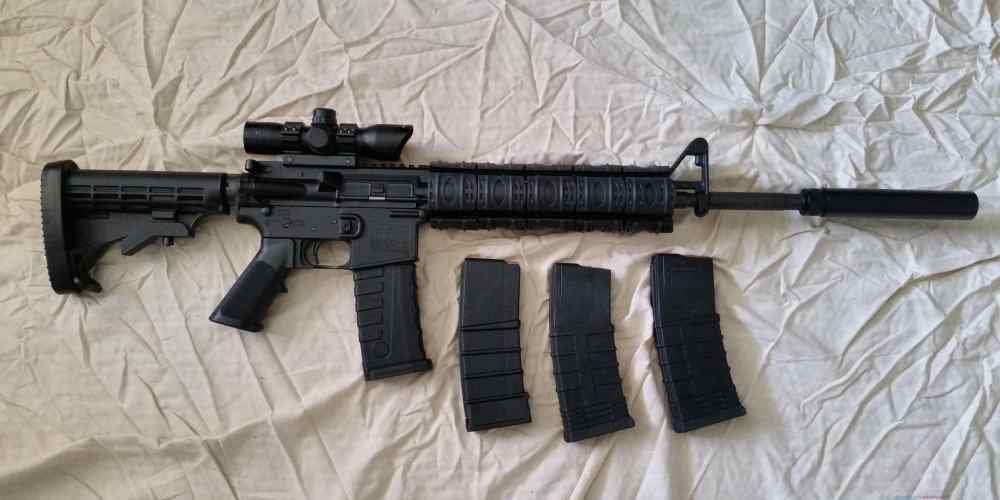
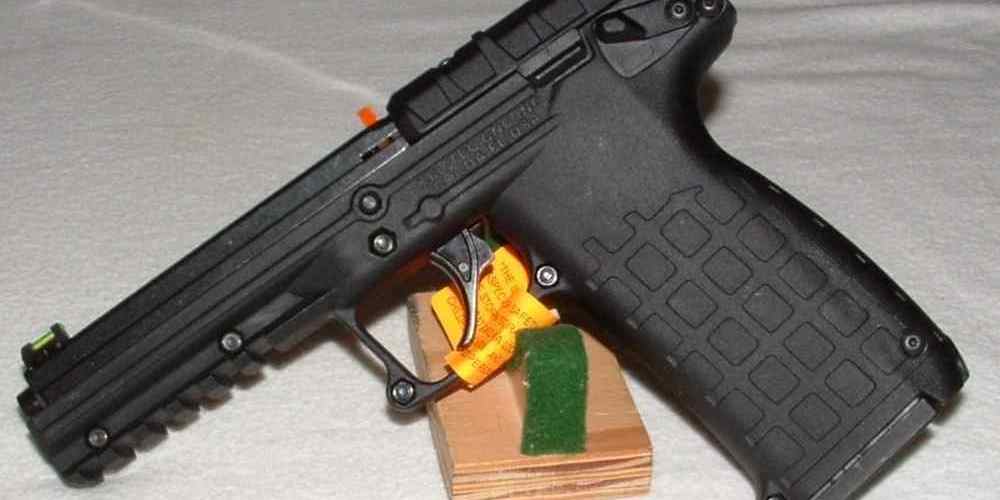
Many owners are surprised to learn that homeowners and renters insurance usually treats firearms as ordinary personal property, subject to the same broad rules as jewelry, electronics, or sporting goods. That sounds reassuring until you read the fine print. Policies often cap firearm coverage at a relatively low amount, which can be far below the value of a serious collection or even a few premium defensive and hunting firearms. A single optic-equipped rifle, a pair of quality handguns, and a properly outfitted safe can quickly exceed those limits.
Another common issue is how insurers define loss. Theft from a vehicle, damage during travel, or loss caused by improper storage conditions may not be fully covered—or may be excluded altogether. Some policies also require a large deductible that makes smaller claims impractical, while others reimburse only actual cash value rather than replacement cost. That distinction matters because firearms, especially discontinued models, limited runs, and older American-made pieces, can appreciate over time or become hard to replace at any price.
Liability is another area where gaps appear. A standard policy may offer personal liability protection for accidental injuries or property damage, but it may not be designed around the legal realities of firearm ownership, use, transport, or storage. Depending on the situation and jurisdiction, claims involving a firearm can trigger investigations, civil litigation, or a need for specialized legal support. Responsible owners should understand that insurance is not a substitute for training, safe handling, and compliance; rather, it is one layer of financial protection in a much larger safety system.
Closing the Insurance Gap for Gun Owners
The first step in closing the gap is to inventory everything accurately. Document each firearm by make, model, caliber or gauge, serial number, and purchase date if available. Include accessories such as optics, lasers where legal, weapon lights, slings, magazine carriers, aftermarket triggers, suppressors where legal, and safe upgrades. Photos, receipts, and appraisals can make a major difference if you ever need to file a claim, especially for custom builds or vintage pieces whose value is not obvious to a claims adjuster.
Next, talk to your insurer or a licensed agent about endorsements, scheduled personal property coverage, or a dedicated firearm policy where available. These options may provide higher limits, better replacement terms, and broader protection than a basic homeowners policy. For some owners, especially those with multiple firearms, heirloom guns, or valuable optics, a separate policy can be the cleanest solution. It is also worth asking about transport coverage, off-premises theft, loss during travel, and whether accessories and ammunition are treated separately from the firearm itself.
Closing the gap also means reinforcing the non-financial side of ownership. Use a quality safe or secure storage solution, keep firearms unloaded when appropriate, follow local laws on storage and transportation, and train regularly on safe handling and emergency procedures. Insurance should support responsible ownership—not replace it. For gun owners who take preparedness seriously, the best approach is a combination of sound storage, careful documentation, legal compliance, and coverage that actually matches the real-world value of the firearms and equipment they depend on.
The firearm insurance gap is easy to ignore until a loss occurs, and by then it is often too late to correct. A policy that looks adequate on paper may leave major holes in coverage for theft, damage, accessories, travel, or liability. The good news is that most of those gaps can be addressed with a little planning, a careful review of policy language, and the right documentation.
For responsible gun owners, protection is part of ownership. Just as you would choose quality gear, maintain your firearms, and practice safe handling, it makes sense to make sure your insurance reflects the true value of what you own. Taking the time to evaluate your coverage now can save money, stress, and legal headaches later—and it helps ensure that your firearms remain protected for the long term.