Firearm ownership in the United States is built on a foundation of rights, responsibility, and a surprising amount of complexity. Most owners quickly learn the obvious rules: keep firearms secured, know your local laws, and handle every gun as if it were loaded. But the real challenge often lies in the gray areas—the places where federal, state, and local rules overlap, change, or leave room for interpretation. These are the issues that can catch even experienced owners off guard.
For hunters, self-defense practitioners, and collectors alike, understanding these legal gray areas is not just about avoiding trouble. It is about protecting your rights, your safety, and your ability to enjoy the shooting sports with confidence. A firearm that is perfectly lawful in one state may become restricted in another. A modification that seems harmless may change how a gun is classified. Even transportation, storage, or temporary possession can become complicated depending on where you are and what laws apply.
This article breaks down the legal uncertainties every firearm owner should understand, with a focus on staying informed rather than guessing. While this is not legal advice, it is intended to help responsible gun owners recognize where caution matters most and how to make better decisions before a problem arises.
Understanding the Laws That Blur the Lines
One of the biggest sources of confusion is the layered nature of firearm law. Federal law sets the baseline, but states and municipalities often add their own rules on magazine capacity, concealed carry, vehicle transport, registration, waiting periods, and prohibited features. A firearm accessory or configuration that is widely sold online may still be restricted depending on where you live. That means the same rifle, pistol, or shotgun can fall into different legal categories depending on barrel length, stock type, grip style, or overall configuration.
This is especially important when it comes to modifications and parts compatibility. For example, parts that improve ergonomics, recoil control, or accuracy are common among enthusiasts, but a change in configuration can sometimes affect legal status. A shorter barrel, a shoulder stock, or certain brace setups may move a firearm into a different category under federal or state law. The same is true for suppressors, threaded barrels, high-capacity magazines, and other accessories that may be lawful in one jurisdiction and restricted in another. Responsible owners should always verify how a part affects the firearm as a whole, not just whether the part itself is sold legally.
Historical context helps explain why these gray areas exist. Firearm regulation has evolved through decades of court decisions, legislative updates, and administrative reinterpretations, often in response to public safety concerns, technology changes, or shifting political priorities. That means many laws were not written with today’s market in mind, where modular platforms make it easy to reconfigure a firearm in minutes. For owners, this creates a moving target. A setup that was compliant last year may need to be reviewed again today, especially after major legal changes or new state-level restrictions.
How to Stay Compliant Without Guesswork
The most reliable habit is to verify laws before you buy, build, travel, or carry. Start with the official sources: state police websites, attorney general guidance, fish and wildlife agencies for hunting-related rules, and the federal ATF where relevant. Local ordinances can matter too, especially for transport, discharge, or possession in certain cities or counties. If you are crossing state lines with a firearm, do not assume reciprocity or home-state rules will protect you. Confirm the laws of every jurisdiction involved, including places where you only plan to stop briefly.
It also helps to keep your firearm setup simple and well-documented. Save receipts, product specifications, serial number records, and manuals for every firearm and accessory you own. If you modify a gun, make sure you understand how the final configuration is classified under current law. When in doubt, consult a qualified firearms attorney or a knowledgeable FFL who stays current on regulatory changes. This is especially important for first-time builders, NFA items, suppressors, or anything involving transport across state lines. Good documentation and expert advice can prevent expensive mistakes.
Finally, responsible ownership means building habits that reduce legal and safety risk at the same time. Use secure storage, follow range rules, and transport firearms unloaded and in accordance with applicable laws. Keep ammunition separate when required, and make sure everyone in the household understands where firearms are stored and who may access them. For hunters and self-defense users, training should include not only marksmanship and handling, but also an understanding of when and where a firearm may be carried, used, or transferred. Confidence with firearms should come from knowledge, not assumptions.
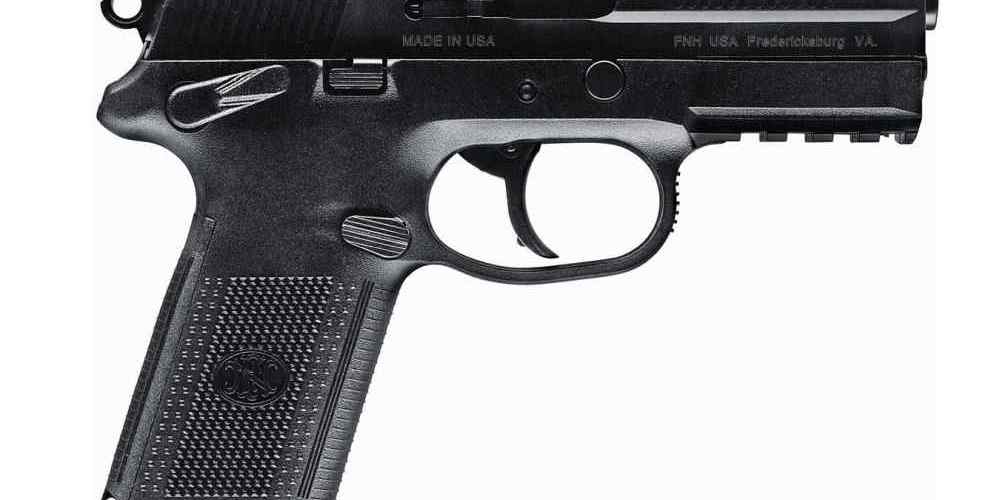
The legal gray area around firearms is not a reason to panic—it is a reason to be diligent. The more familiar you are with the overlap between federal, state, and local rules, the better equipped you are to protect your rights and avoid unintentional violations. In a field where small details can have big consequences, attention to law is part of responsible gun ownership.
For the serious firearm owner, staying compliant is just as important as maintaining your gear or practicing safe handling. Check the rules before making changes, keep your records organized, and seek professional guidance when a situation is unclear. The best owners are not the ones who take the most risks; they are the ones who take the time to understand what is lawful, what is uncertain, and what demands extra care.