In firearms culture, few phrases are repeated more often than the “safety rules,” yet one of them is still misunderstood by a surprising number of owners: treat every firearm as if it is loaded. Some people hear that and think it simply means “check the chamber once.” Others treat it like a slogan instead of a working habit. In reality, this rule is not just about being cautious at the moment you pick up a gun; it is about building a consistent mindset that protects you, your family, and everyone around you every time a firearm is handled, stored, transported, or cleaned.
That is where many owners go wrong. They may be careful at the range but casual at home. They may unload a firearm and assume the job is done, even though ammunition is still nearby and the gun could be loaded again moments later. They may trust memory instead of verification, or they may relax their standards because the firearm is “usually unloaded.” The problem is that accidents rarely begin with bad intentions; they begin with assumptions. The most effective safety habits are the ones that remain strict even when the situation feels routine.
For hunters, self-defense practitioners, collectors, and first-time owners alike, understanding the proper application of this rule is one of the most important parts of responsible ownership. It is not about fear, and it is not about paranoia. It is about discipline, verification, and respect for the mechanical reality of firearms. When applied correctly, this simple rule becomes one of the strongest defenses against negligent discharges, property damage, and tragic injuries.
The Safety Rule Most Gun Owners Misapply
The most common mistake is treating “always assume it is loaded” as a mental note rather than a physical process. Many owners rely on habit, familiarity, or the belief that they already know the condition of the firearm. They may have just cleared it, or they may have seen the magazine removed, and then proceed as if that is enough. But in firearms handling, “assume” does not mean “guess.” It means verify every time, using the correct clearing procedure for that specific platform. A firearm that appears empty can still contain a chambered round, a round in a magazine well, or ammunition in a partially loaded state depending on the design.
Another misunderstanding is that the rule only applies when the gun is being “handled” in the obvious sense, such as loading, unloading, or firing. In practice, it applies whenever the firearm is in your possession or within your control. That includes cleaning, transporting, showing a firearm to another person, placing it in a vehicle, or taking it from a safe. The discipline is the same in all settings: keep the muzzle pointed in a safe direction, remove the source of ammunition when appropriate, and physically and visually inspect the chamber and action according to the firearm’s design. On many modern firearms, a chamber check is useful, but it is not a substitute for a full, deliberate safety routine.
Owners also misapply the rule by confusing “treat as loaded” with “ignore all other safety measures.” The four universal rules work together, not separately. A firearm should be treated as loaded, never pointed at anything you are not willing to destroy, kept off the trigger until you are ready to fire, and sure of the target and what is beyond it. When people focus only on the first rule, they sometimes become careless with the rest. Responsible gun ownership means understanding that the rule is not a standalone slogan; it is the foundation for a complete safety system.
Why Proper Application Prevents Real Accidents
Properly applying this rule prevents the kind of accidents that happen in ordinary life, not just dramatic range incidents. The most dangerous moment is often the one that feels harmless: moving a firearm from one room to another, showing it to a friend, setting it down during cleaning, or storing it after use. If a firearm is handled as though it were loaded every single time, owners are less likely to point it in unsafe directions, press the trigger unintentionally, or skip a check because they are “pretty sure” it is empty. That extra discipline gives you time to slow down and confirm the condition of the firearm before anything else happens.
This is especially important because many negligent discharges occur during administrative handling rather than live fire. A person may believe the gun is unloaded and still make a mistake with a magazine, a chambered round, or a different operating system than they are used to. For example, firearms with external and internal safeties, striker-fired pistols, revolvers, lever actions, pump guns, and semi-automatic rifles each have different procedures and different points of failure. Proper application of the rule requires owners to know their firearm mechanically, not just conceptually. That knowledge reduces risk and makes safety habits more reliable under stress, fatigue, or distraction.
Just as importantly, the rule teaches a mindset that supports long-term responsible ownership. Hunters in the field, concealed carriers, and home defenders all benefit from habits that remain unchanged across environments. Good products can help—quality safes, chamber flags, trigger locks, range bags, and clear storage systems all reinforce safe behavior—but equipment never replaces attention. The safest owners are the ones who build repeatable routines: verify the firearm is clear, keep ammunition managed separately when appropriate, store securely, and handle every firearm with the same seriousness whether it is a prized collectible or a daily-use tool. That consistency is what turns a safety rule into real-world protection.
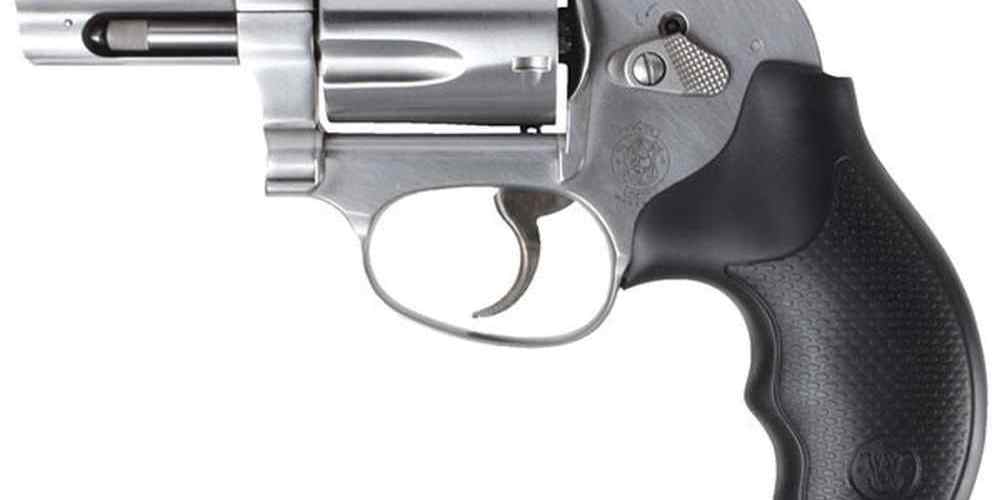
The rule “treat every firearm as if it is loaded” is simple, but its proper application is where many owners fall short. It is not enough to believe a gun is empty, and it is not enough to say the words without practicing the habits. True safety comes from deliberate verification, consistent muzzle discipline, trigger control, and an honest respect for how firearms work.
For responsible gun owners, this is not an old slogan to repeat without thinking. It is a practical standard that prevents mistakes before they happen. Whether you are maintaining a hunting rifle, carrying a handgun, or storing a shotgun at home, the same principle applies: never rely on assumption, and never let familiarity erode caution.
When this rule is applied correctly, it does more than reduce risk—it reinforces a culture of professionalism and respect. That is what responsible firearm ownership should be about: knowing your equipment, following the law, protecting others, and making safety a habit rather than an afterthought.