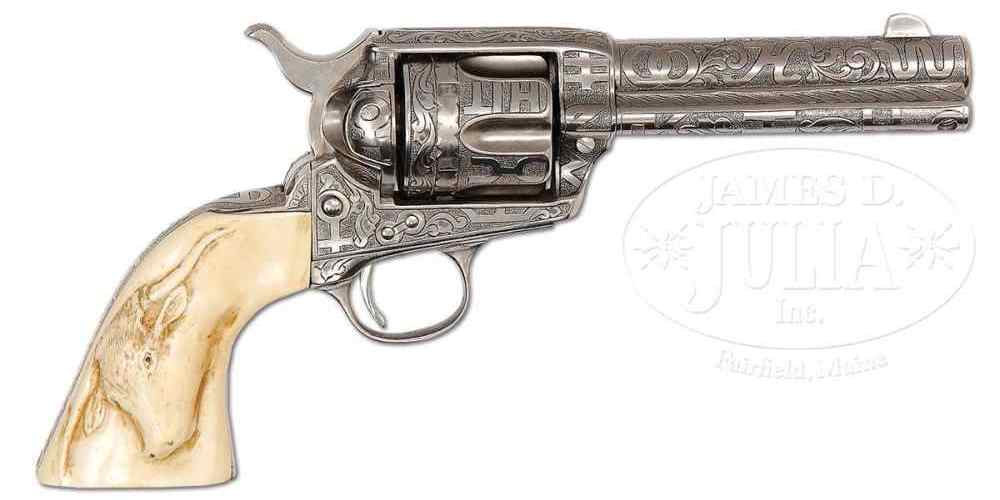
In the firearms world, the word “collectible” can carry a lot of emotional weight. It suggests rarity, history, craftsmanship, and long-term value. For many buyers, that combination is enough to justify a premium price tag. But in practice, not every old gun is a true collector’s piece, and not every seller’s story about “investment value” holds up under scrutiny.
For gun owners, hunters, self-defense practitioners, and serious enthusiasts, understanding the difference between genuine collectibility and inflated marketing is essential. A firearm can be old, well-made, and still not be especially valuable. The myth becomes costly when buyers pay thousands more than a gun is actually worth, often because they are relying on age, nostalgia, or hype instead of condition, provenance, and market demand.
This article looks at why so-called collectible firearms are often overpriced, how buyers end up losing money on old guns, and what practical steps can help you evaluate value more accurately. The goal is not to dismiss firearm collecting, but to encourage informed, responsible ownership based on facts rather than myths.
Why “Collectible” Often Means Overpriced
A firearm is only truly collectible when several factors line up: scarcity, historical importance, original condition, matching parts, documented provenance, and real demand from knowledgeable buyers. Without those elements, “collectible” often becomes a sales tactic rather than a meaningful description. Many sellers use the term loosely to justify asking prices far above fair market value, especially when the gun is old but not particularly rare.
Condition matters far more than many buyers realize. A century-old firearm with replaced parts, refinished metal, altered markings, or a sanded stock may have lost much of the value that collectors prize. In the collector market, originality is often everything. Even if the gun functions well, later modifications can reduce value dramatically compared with an untouched example. That distinction is especially important for buyers who assume age alone equals value.
Historical context also matters. Some firearms were produced in large numbers for military or civilian use, and while they may have interesting stories, they are not scarce enough to command premium prices. Mass-produced surplus rifles, common revolvers, and widely distributed sporting guns are frequently advertised as “rare” when they are actually fairly common. A responsible buyer should compare asking prices against recent sales, consult reputable price guides, and verify whether a firearm’s features truly support the claim of collectibility.
How Buyers Lose Thousands on Old Firearms
The biggest financial mistake is paying a collector’s price for a shooter-grade gun. Buyers often get caught up in the romance of owning something “historic” and overlook restoration issues, mechanical wear, and non-original parts. A rifle that looks impressive in a gun shop display case may need expensive repair, replacement springs, rebluing, or gunsmith work before it is safe and reliable to use. Those costs can quickly erase any supposed value advantage.
Another common trap is misinformation about provenance. Claims such as “war trophy,” “factory original,” or “limited production” are easy to say and hard to prove. Without documentation, serial-number verification, or expert appraisal, those stories may add little or nothing to actual market value. Buyers who rely on verbal assurances can end up paying thousands more than the firearm would fetch in a normal sale. In the worst cases, altered markings or fake accessories are used to create an illusion of rarity.
The safest approach is to treat old firearms as both historical objects and mechanical devices. That means checking bore condition, headspace, action lockup, and evidence of unsafe modifications before purchase. It also means being honest about your goals: if you want a range gun, a hunting rifle, or a home-defense firearm, a “collectible” tag should not override practical needs. A knowledgeable buyer who compares prices, inspects condition carefully, and seeks expert guidance is far less likely to overpay for a gun that only looks valuable on the surface.
The collectible firearm myth persists because it appeals to emotion, nostalgia, and the desire to own a piece of history. But history alone does not guarantee value, and age alone does not make a firearm rare. The real market rewards originality, condition, documentation, and genuine demand—not marketing language.
For responsible gun owners, the best defense against overpaying is education. Learn the difference between a true collectible and a common old firearm, inspect carefully, verify claims, and remember that safety and functionality matter just as much as perceived value. In the long run, informed decisions protect both your wallet and your confidence as an owner.
If you are buying, selling, or evaluating older firearms, approach every transaction with patience and skepticism. That mindset helps preserve the integrity of the collecting community and ensures that your firearm investments are based on reality, not myth.