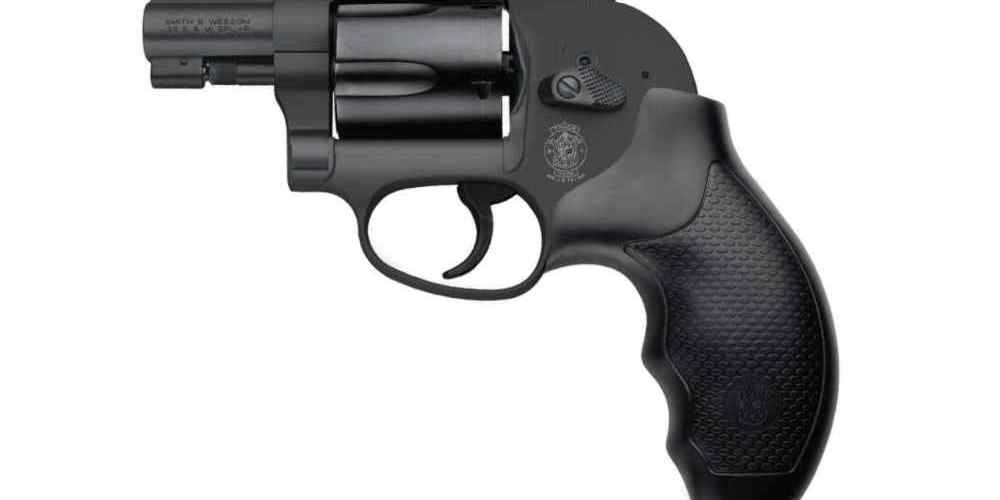
If your handgun starts to feel “loose” after a lot of range time, that sensation is usually a sign of normal mechanical wear, not an immediate reason to panic. Firearms are precision tools built from moving parts that mate together under heat, pressure, and repeated recoil. Over time, small amounts of play can develop in places that were once snug, and the change is often most noticeable to experienced shooters who know how a handgun should feel.
That said, a loose-feeling handgun should always be taken seriously enough to inspect properly. Some wear is expected and harmless, but excessive play can affect reliability, accuracy, and long-term safety if it goes unchecked. Responsible ownership means learning the difference between ordinary break-in and actual maintenance issues, then addressing them before they become a bigger problem.
What Causes a Handgun to Feel Loose Over Time
One of the most common reasons a handgun feels loose is simple mechanical wear from recoil and cycling. Every shot drives the slide, frame, barrel, locking block, and associated springs through a repeated impact cycle. Over thousands of rounds, surfaces that once fit tightly may polish, settle, or wear slightly, especially in higher-pressure calibers or in handguns that have seen hard training use.
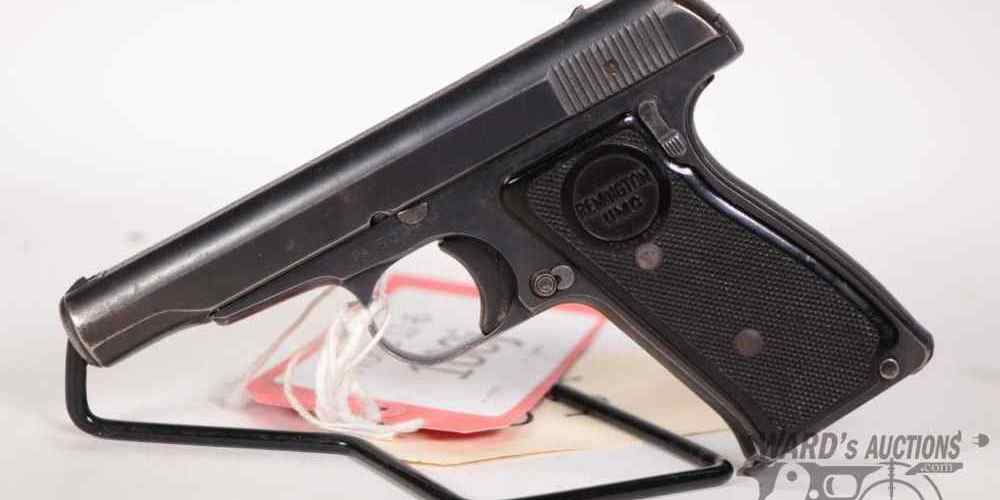
Historical handgun designs often anticipated this kind of wear. Many classic service pistols were built with the expectation that parts would eventually need replacement, not because the guns were poorly made, but because mechanical systems naturally loosen with use. Even well-made modern pistols will show some movement over time, and in many cases that movement is still within normal tolerance.
Another factor is heat and lubrication. A pistol that is run hard during long range sessions can feel different as parts expand, oil thins out, and residue builds up. Sometimes what feels like mechanical looseness is actually a combination of fouling, dried lubricant, and temporary thermal changes. Regular cleaning, proper lubrication, and periodic inspection help distinguish routine maintenance issues from genuine part wear.
Key Wear Points to Inspect After Heavy Shooting
Start with the slide-to-frame fit, since that is where many shooters first notice extra play. A little side-to-side movement is normal on many service pistols, but excessive wobble, unusual clicking, or uneven movement can indicate worn rails or frame/slide contact surfaces. Check for burrs, peening, or metal displacement, especially if the handgun has a high round count or has been used with hotter loads.
Next, inspect the barrel lockup and recoil system. On many semiautomatic pistols, barrel hood wear, locking block wear, bushing wear, or a weakened recoil spring can contribute to a sloppy feel and inconsistent lockup. A recoil spring that has lost tension may allow the slide to cycle harder than intended, which can accelerate wear elsewhere. Replacing springs at recommended intervals is one of the simplest ways to preserve function and feel.
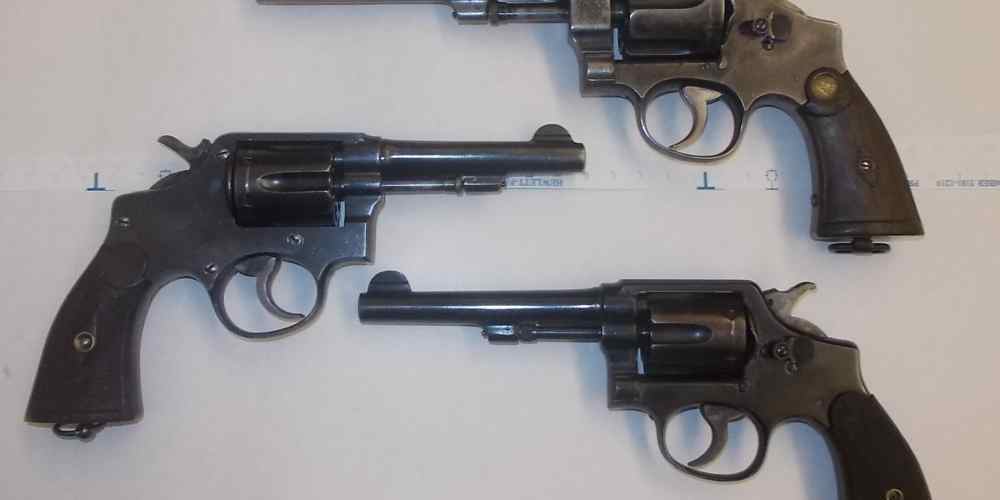
Don’t overlook the small parts that are easy to ignore. Pins, extractor tension, magazine catches, and grip screws can all loosen under repeated firing and carry use. In revolvers, cylinder endshake, crane/yoke play, and timing issues deserve attention. If you notice anything beyond normal tolerance—especially if the handgun begins to malfunction, loses accuracy, or feels dramatically different—it is wise to stop shooting and have a qualified gunsmith inspect it before further use.
A handgun that feels loose after heavy use is often telling you that it has done its job and needs a careful checkup. In many cases, the answer is straightforward maintenance: clean it, inspect the wear surfaces, replace springs, and verify that all critical fasteners and components are in spec. Like any mechanical device, a firearm rewards regular attention, and responsible owners stay ahead of problems rather than waiting for a failure.
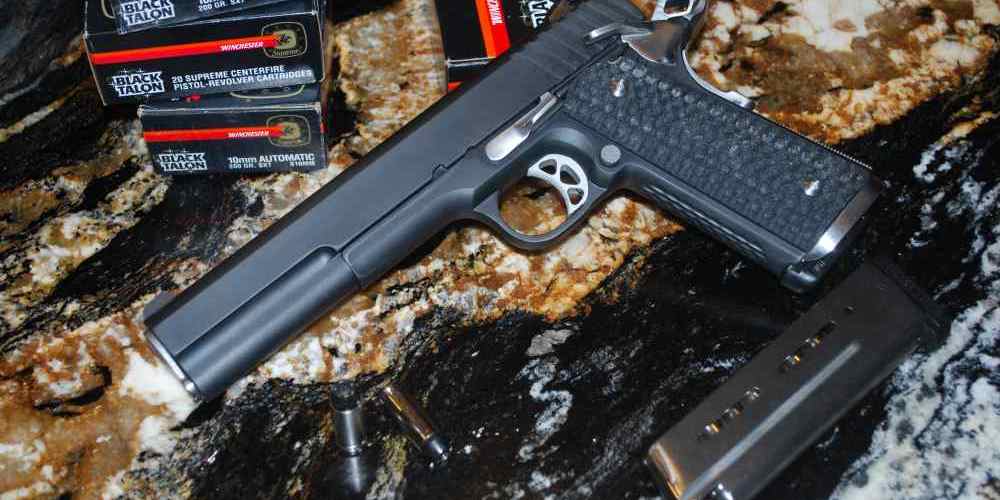
The key is to treat looseness as information, not just a nuisance. Learn your handgun’s normal feel, monitor round counts, and follow the manufacturer’s maintenance schedule whenever possible. If something seems off and you are not sure why, consult a competent gunsmith and keep safety first. A well-maintained firearm is more dependable, more accurate, and far better suited to the serious responsibilities of sport, defense, and lawful ownership.