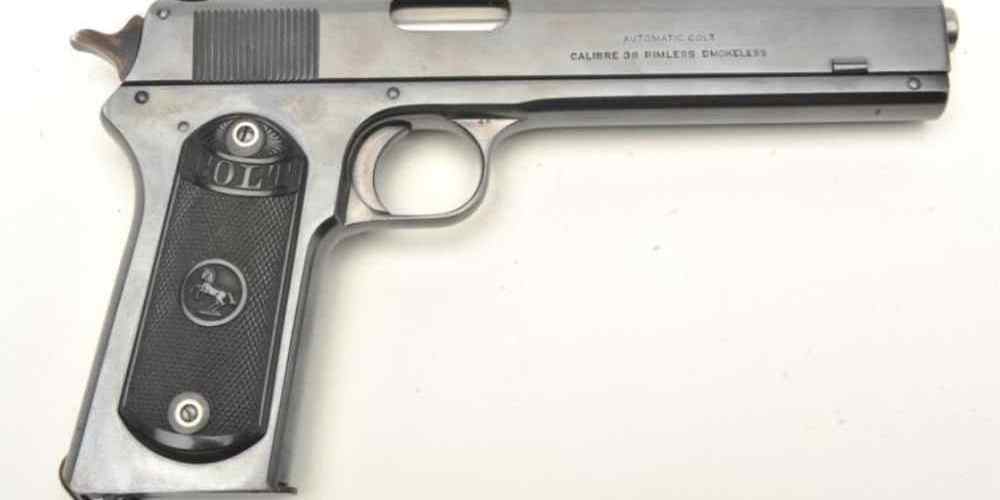
In the world of firearms, the best improvements are often the ones you feel immediately but barely notice over time. A grip texture pattern that improves control without abrasion is one of those upgrades: it helps the hand stay locked in place during recoil, wet weather, or fast handling, while remaining comfortable during long practice sessions and everyday carry. For responsible gun owners, that balance matters. A grip should support safe, confident manipulation without punishing the shooter’s hands or clothing.
At Armsparts.com, the conversation around texture is not just about “more aggressive” or “more grippy.” It is about finding the right surface for the right use—whether that is a hunting pistol carried in cold conditions, a defensive handgun that must remain secure under stress, or a range gun used for extended training. The ideal pattern improves consistency, reduces fatigue, and preserves control without creating unnecessary wear on the shooter, holster, or gear.
Grip Texture That Boosts Control, Not Wear
Traditional aggressive grip textures have long been favored for their ability to anchor the firearm in the hand. That approach works, but it comes with tradeoffs: hotspots on the palm, irritation during high-round-count sessions, and a tendency to abrade clothing or skin during concealed carry. Modern non-abrasive textures aim to keep the functional benefits of traction while softening the downside. The result is a grip that feels secure without feeling sharp.
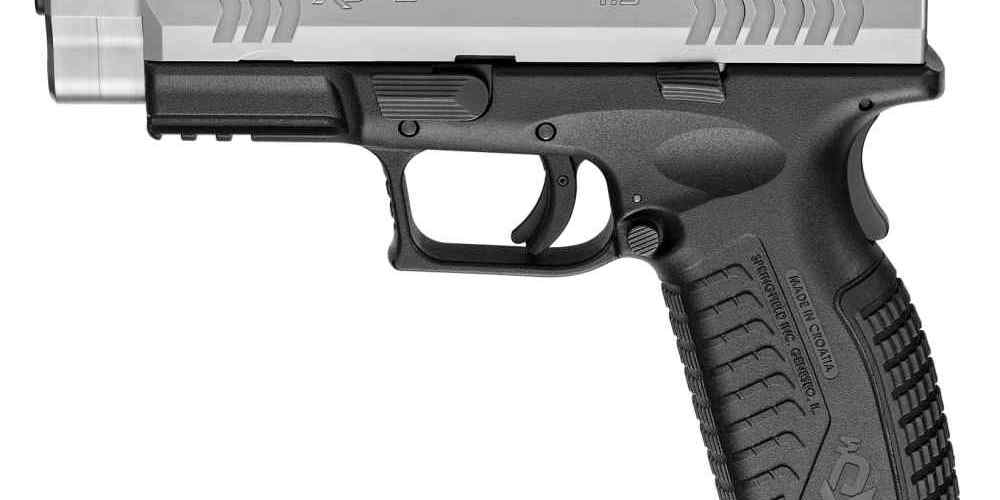
Many of these patterns use carefully spaced micro-checkering, molded stippling, or directional texture geometry. Instead of relying on deep, sharp points, they distribute contact across a wider surface area. This can improve the shooter’s hold under recoil while reducing localized pressure. In practical terms, that means less slipping when hands are sweaty, wet, or gloved—without the discomfort that can make shooters unconsciously relax their grip or avoid practice.
For firearm owners, this matters because consistency is a safety issue as much as a comfort issue. A grip that is too abrasive can discourage proper training, especially for new shooters, smaller hands, or anyone sensitive to skin irritation. A non-abrasive texture supports repeated presentation, reloads, and dry-fire practice, helping the shooter build reliable habits. The best grip patterns are not the most punishing ones; they are the ones that let the user maintain control smoothly and predictably.
How Non-Abrasive Texture Improves Handling
From a technical standpoint, non-abrasive grip texture improves handling by maximizing friction without increasing surface damage. Friction is not the same as roughness. A well-designed texture can create enough purchase through geometry, material choice, and pattern density to keep the firearm stable in the hand. This is especially valuable during recoil management, where a secure grip helps the shooter return to target faster and maintain better muzzle control.
There is also a practical advantage in daily carry and field use. A texture that is too aggressive can chew up undershirts, jacket linings, and holsters over time. It may also create discomfort during appendix carry, strong-side carry, or when a firearm is handled repeatedly in training classes. A non-abrasive pattern reduces that wear, making the firearm more livable for real-world use. For hunters, it can mean less snagging on layers of clothing and less irritation during long days outdoors.
Historically, firearm grips evolved from smooth wood panels to checkered stocks and later to molded polymer surfaces with increasingly refined texturing. The modern trend reflects a shift in priorities: instead of assuming “rougher is better,” manufacturers now focus on controlled traction. For defensive shooters, that means a grip should support safe weapon retention and rapid handling without becoming a source of pain or distraction. When evaluating a firearm or aftermarket grip, look for textures that provide traction in the palm and fingertips while remaining comfortable during extended use.
The best grip texture pattern is the one that helps you shoot more accurately, handle your firearm more confidently, and train more consistently—without punishing your hands or gear. Non-abrasive control surfaces are a smart evolution in firearm ergonomics because they recognize a simple truth: real performance comes from dependable handling, not discomfort. For responsible owners, that balance supports better practice and better preparedness.
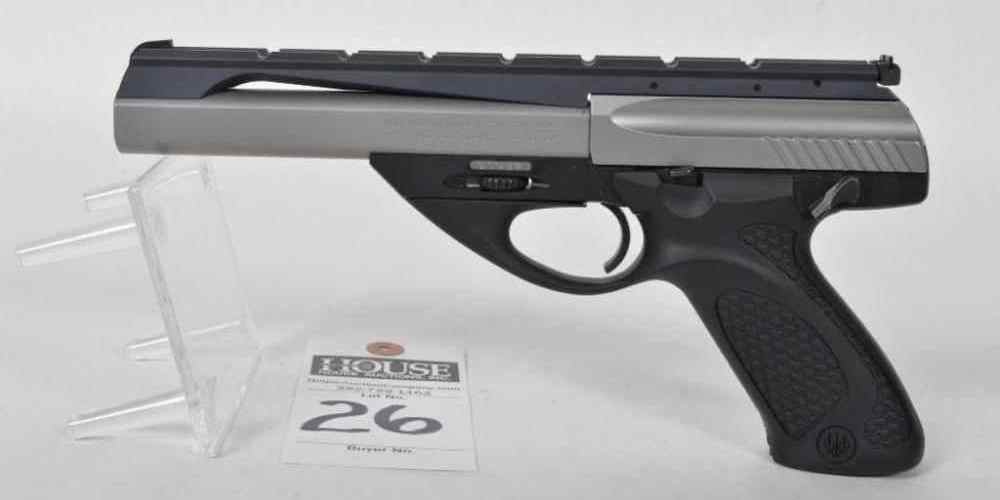
If you are choosing a firearm, comparing aftermarket grips, or considering frame modifications, test the texture in realistic conditions. Wear the clothing you normally use, practice safe manipulations, and pay attention to how the grip feels after repeated draws and extended range time. A good pattern should feel secure, stay stable under recoil, and remain comfortable enough that you will actually want to train with it.