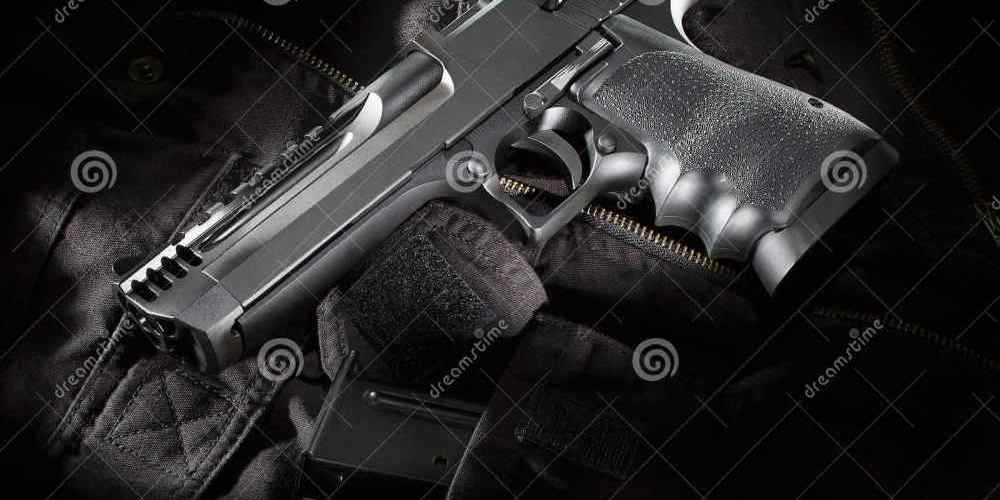
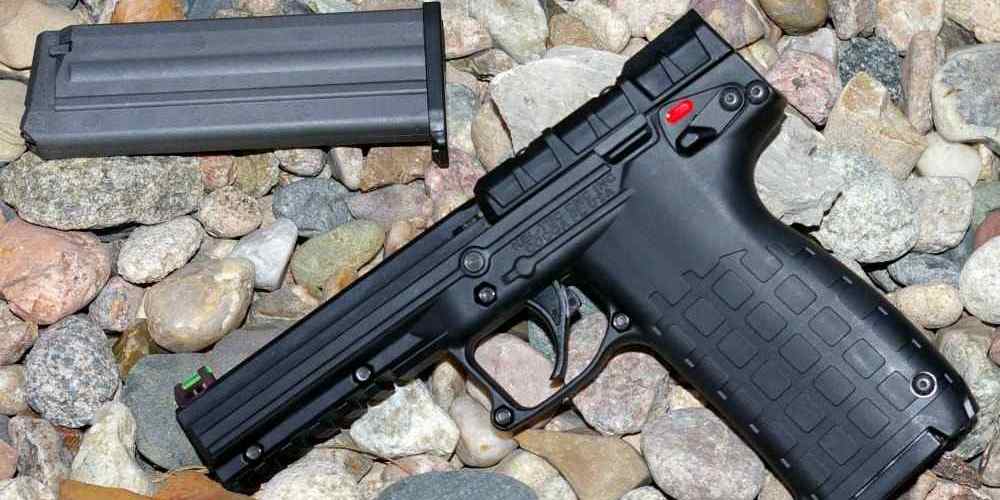
The recoil spring is one of those small parts that quietly does a big job. In many semi-automatic firearms, it helps manage slide speed, reduce battering on the frame, and keep the gun cycling reliably shot after shot. Because it works every time the firearm is fired, it also wears out predictably. That is why a sensible recoil spring replacement interval can prevent a long list of reliability problems before they start.
For most owners, the best approach is not to wait for a dramatic failure but to replace the spring on a routine schedule based on round count, gun type, and ammunition used. A spring that is too weak can allow excessive slide velocity, feeding issues, and unnecessary wear, while one that is too stiff may cause cycling problems of its own. Responsible firearm maintenance means understanding that springs are consumable parts, just like extractor springs, magazine springs, and firing pin springs.
This guide covers when to replace your recoil spring and the signs that your gun may need a new one. Whether you carry daily, hunt with a semi-auto, train regularly, or simply keep a defensive handgun for home protection, paying attention to recoil spring condition is a simple way to improve reliability and protect your firearm over the long term.
When to Replace Your Recoil Spring
The right replacement interval depends on the firearm platform, caliber, and how the gun is used, but a common rule of thumb for many full-size semi-automatic pistols is to replace the recoil spring every 3,000 to 5,000 rounds. Compact and subcompact pistols often need attention sooner because shorter slide travel puts more stress on the spring. Some manufacturers recommend even earlier replacement, especially for guns carried defensively or used with hotter +P ammunition.
Historically, recoil springs were viewed as simple maintenance items in service pistols and military sidearms because armorers knew they were not meant to last forever. Modern shooters sometimes overlook them because the gun may still function after the spring has weakened. The problem is that wear does not always show up as a complete failure. Instead, it can slowly increase frame impact, accelerate parts wear, and reduce the margin of reliability you want in a carry or defensive firearm.
A practical replacement schedule should be based on both round count and use conditions. If you shoot suppressed, use heavy loads, shoot a lot of +P defensive ammunition, or run a very compact pistol, shorten the interval. If the firearm is a competition gun or a high-volume training pistol, consider keeping a round log and changing springs proactively. It is far cheaper to replace a recoil spring early than to deal with cracked frame rails, battered locking surfaces, or repeated malfunctions later.
Signs Your Gun Needs a New Spring
One of the clearest signs of a tired recoil spring is changed recoil behavior. If the slide starts slamming harder than usual, the muzzle flip feels sharper, or the gun sounds more aggressive during cycling, the spring may no longer be slowing the slide effectively. You may also notice brass landing farther away than before, which can indicate the slide is moving faster than it should. These are not absolute diagnostics on their own, but they are useful clues.
Reliability problems are another important warning sign. Failure to feed, failure to return to battery, erratic ejection, or the slide locking open with rounds still in the magazine can all point to spring wear, though they can also be caused by magazines, ammunition, or maintenance issues. The key is pattern recognition. If the gun has been dependable for a long time and suddenly begins showing multiple cycling issues after a high round count, the recoil spring is a good place to start.
Physical inspection can also reveal trouble. A recoil spring that looks shortened, kinked, unevenly compressed, or noticeably weaker than a new spare should be replaced. If your firearm manual gives a recommended length spec, compare the old spring to that standard. In any case, use the manufacturer’s guidance and replace parts only with correct, quality components designed for your specific model. Safe maintenance matters just as much as the parts themselves, so always confirm the firearm is unloaded before inspecting or disassembling it, and consult a qualified gunsmith if you are unsure about any step.
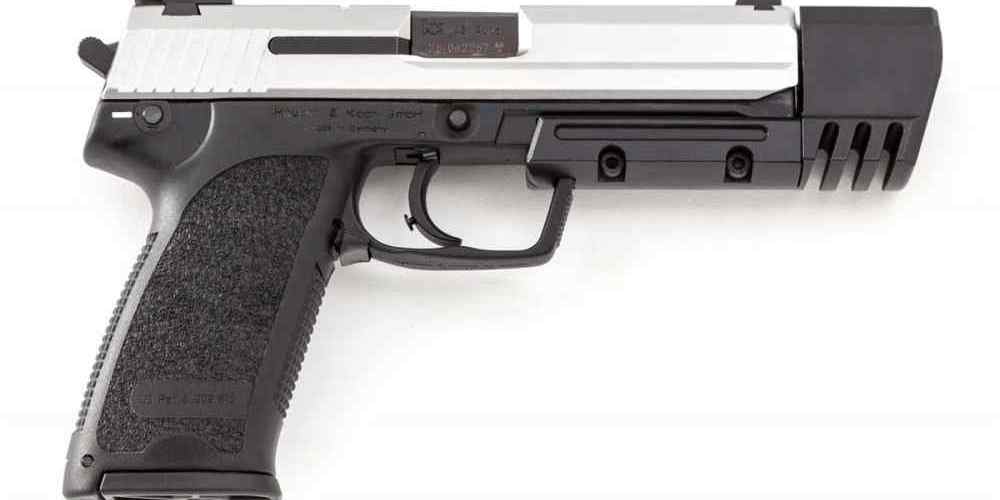
A recoil spring is not a flashy part, but it is one of the most important wear items in a semi-automatic firearm. Replacing it at a sensible interval helps preserve reliability, protects the gun from unnecessary wear, and gives you better confidence in the field, at the range, or in a defensive role. That simple habit stops many problems before they turn into costly repairs or frustrating malfunctions.
For responsible gun owners, the takeaway is straightforward: track your round count, learn your firearm’s manufacturer recommendations, and pay attention to changes in cycling behavior. A good maintenance routine is part of safe firearm ownership, alongside proper storage, regular cleaning, and routine function checks. When in doubt, replace the spring proactively or consult a professional gunsmith.
In the end, the best recoil spring replacement interval is the one that matches your firearm and your use. Stay consistent, choose quality parts, and keep safety first. That approach keeps your gun running the way it should and supports the kind of dependable performance every shooter values.