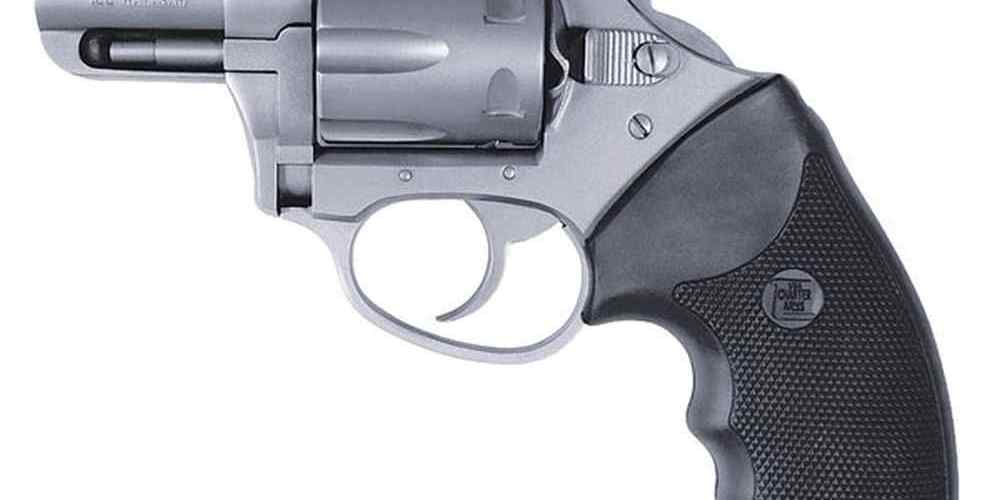
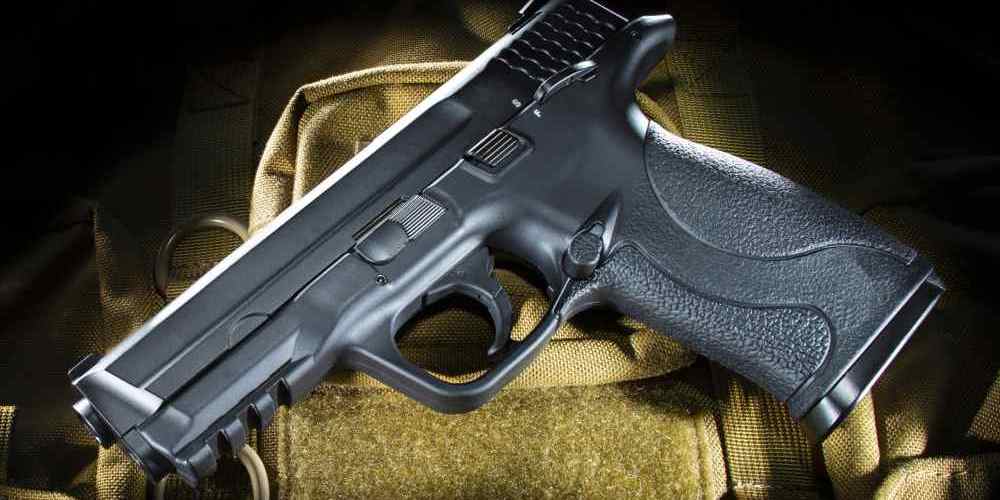
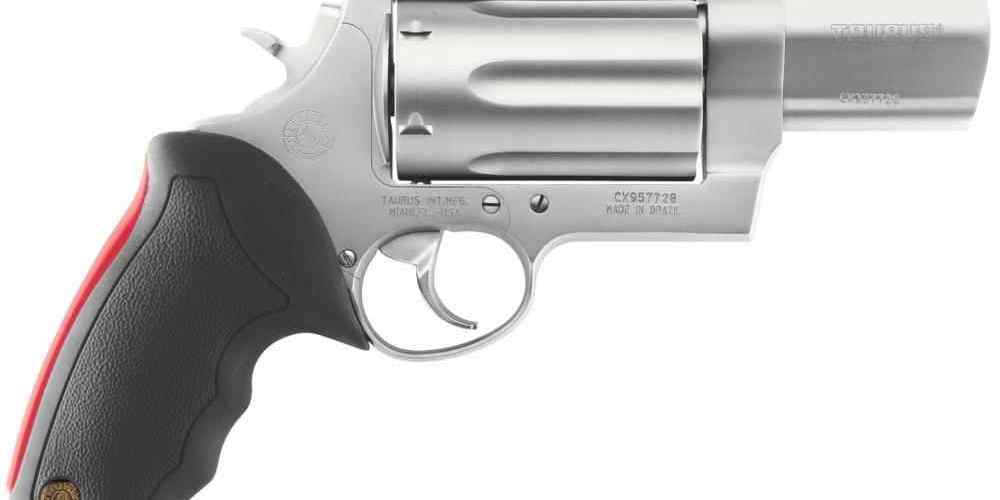
When shooters talk about handgun fit, the conversation usually jumps straight to small or large frames, but the middle ground is where a lot of people are pleasantly surprised. A compact or mid-size frame can feel better in more hands than either extreme, because it often balances grip circumference, reach to the trigger, and control during recoil in a way that works for a wide range of users. For many gun owners, that “just right” feel is less about hand size alone and more about how the frame interacts with stance, grip angle, trigger geometry, and even the shooter’s clothing or carry method.
Why This Frame Size Feels Right for More Shooters
A frame size that fits more hands than expected usually succeeds because it avoids the compromises that come with very small or very large guns. Tiny frames can be difficult for shooters with larger hands to hold securely, while full-size frames may force shorter-fingered users to overreach for the trigger. A well-designed mid-size frame often lands in the sweet spot: enough surface area for a stable grip, but not so much bulk that it becomes cumbersome or awkward for everyday use.
There’s also a practical reason this size tends to feel natural. Many manufacturers have refined their mid-size models over decades, learning how to shape the grip, position the controls, and tune the trigger reach for broader appeal. In real-world use, that means the shooter can achieve better finger placement, more consistent grip pressure, and improved control under recoil. For those who train regularly, that consistency matters more than any marketing label.
Historically, the firearms industry has often moved toward “service-size” designs because they were intended to work for a broad cross-section of military, law enforcement, and civilian users. Those same design principles still translate well today. Whether the handgun is used for range practice, home defense, or concealed carry, a frame that feels neutral and adaptable often ends up being the one that most people shoot accurately and comfortably.
Key Fit Factors Behind Its Unexpected Versatility
One of the biggest reasons this frame size suits so many shooters is trigger reach. If the trigger is too far forward, the shooter may twist the gun in the hand to make contact, which hurts accuracy and control. If it is too close, the grip may feel cramped. Mid-size frames often provide a more forgiving balance, allowing a wider range of hand sizes to press the trigger straight to the rear while maintaining a stable grip. That simple ergonomic advantage can make a noticeable difference in practical shooting performance.
Grip shape matters just as much as overall size. Texturing, backstrap contour, and the angle of the grip can make a frame feel smaller or larger than it really is. Some pistols offer interchangeable backstraps or modular grip panels, which is especially helpful for fitting different shooters without changing the firearm itself. From a responsible ownership standpoint, this is worth taking advantage of during range sessions, because a proper fit supports safer handling, better recoil management, and fewer training errors.
Finally, versatility comes from how the frame behaves under actual use, not just how it feels in the hand at the counter. A frame that distributes recoil well helps the shooter recover sights faster and maintain control during follow-up shots, which is important for defensive training and target work alike. If you are evaluating a handgun, try it unloaded first, verify safe handling habits, and then test it at the range with the ammunition you plan to use. Dry handling, live-fire confirmation, and honest comparison across a few models will tell you far more than specs alone.
The handgun frame size that fits more hands than you expect is usually the one that balances comfort, control, and adaptability rather than chasing extremes. For many shooters, that means a mid-size or service-style frame that offers manageable trigger reach, a secure grip, and enough mass to soften recoil without becoming unwieldy. In the end, the best fit is the one that helps you handle the firearm safely, shoot it accurately, and use it responsibly.
If you are choosing a handgun for defense, hunting, or range use, take your time and test several frame sizes under safe and legal conditions. Pay attention to grip comfort, trigger access, recoil control, and whether the controls are easy to operate without shifting your hand. A handgun that fits well can improve confidence and performance, but the real priority is always safe handling, proper training, and responsible ownership.