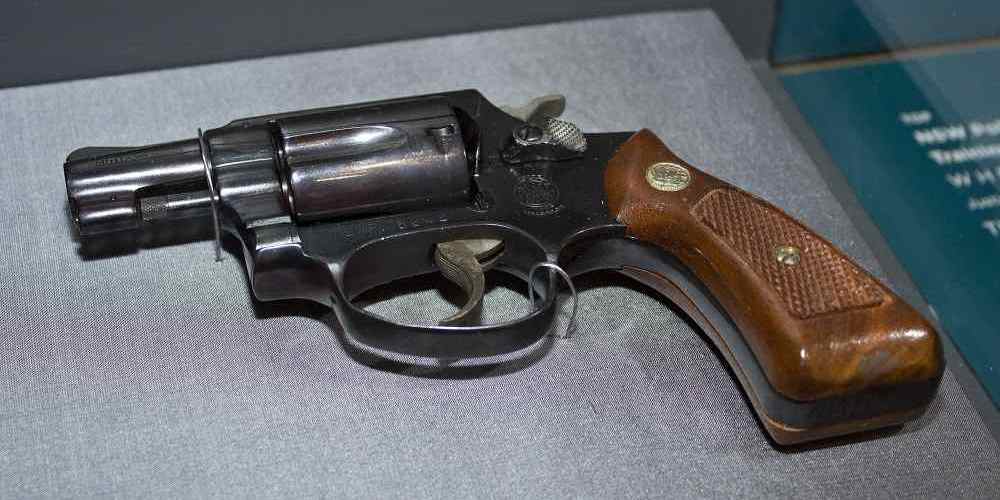
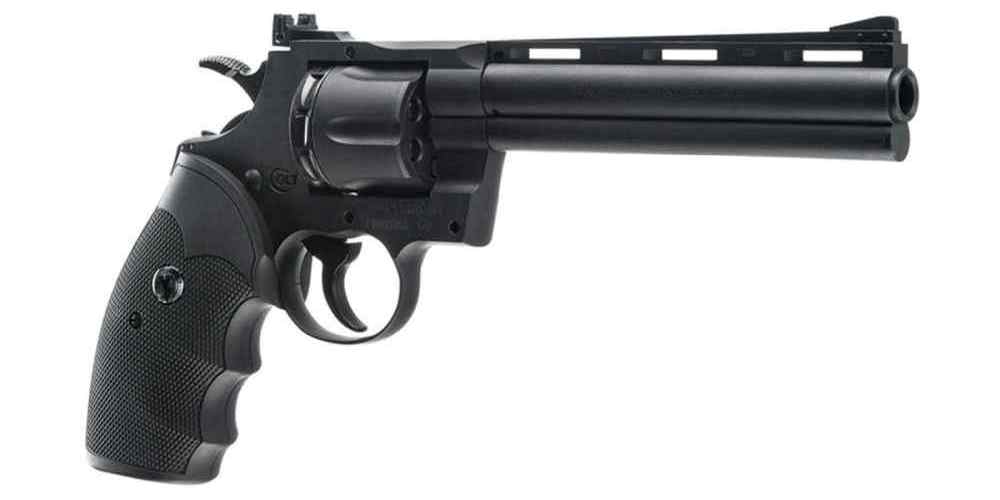
A good trigger can make a handgun feel more controllable, more precise, and more enjoyable to shoot. But when a trigger job goes too far—or is done poorly—it can create serious safety problems that outweigh any performance gain. Responsible gun owners know that reliability, proper function, and safe handling always matter more than a lighter pull weight or a crisper break.
In the world of handguns, trigger work has long been part of customization. From competition pistols tuned for speed to carry guns refined for consistency, shooters have chased better trigger feel for decades. Yet the line between a well-executed improvement and a dangerous modification is thin, and the most common mistake is often the one people think will help the most: reducing engagement or pull weight without preserving all factory safety margins.
That is why any trigger modification should be approached with caution, technical knowledge, and a strong commitment to safe, legal firearm use. Whether you carry for self-defense, hunt with a handgun, or simply enjoy range time, understanding the risks of an unsafe trigger job can help you protect yourself, your gear, and everyone around you.
The Trigger Job Mistake That Risks Safety
One of the most common and most dangerous trigger-job mistakes is removing too much sear engagement in the pursuit of a lighter, cleaner break. On paper, a shorter or “glass rod” break can sound ideal. In practice, reducing engagement too far can make the pistol vulnerable to accidental discharge from jarring, dropping, or other unintended movement. The trigger may feel excellent at the bench, but under real-world conditions it can become unpredictable.
This problem is especially serious in defensive handguns. A carry gun is not a race pistol, and the trigger has to work safely in holsters, vehicles, during daily movement, and under stress. A modification that seems acceptable during slow-fire practice may create a gun that fires when it should not, or one that becomes unreliable in a critical moment. In many cases, the issue is not the idea of a trigger job itself, but the mistake of prioritizing feel over function.
Historically, some shooters learned this lesson the hard way as duty pistols became lighter and more refined without enough attention to drop safety and ignition reliability. Modern handguns include internal safeties and engineered tolerances for a reason. When a trigger job alters those relationships—through over-polishing, swapping in improper springs, clipping parts, or removing engagement surfaces—it can compromise the design integrity of the firearm. A responsible gunsmith will always preserve safe engagement, reliable primer strike, and proper reset before chasing a lighter pull.
How to Spot Unsafe Handgun Trigger Work
A major warning sign is a trigger that feels unusually light, inconsistent, or “mushy” compared with the original setup or with factory specifications. If the break seems too easy to disturb, if the reset is vague, or if the trigger occasionally fails to return fully, those are not signs of a superior tuning job—they may be signs that something inside the fire control system is not working as intended. Any trigger modification that changes feel dramatically should be tested carefully and professionally.
Another red flag is evidence of improvised work. Amateur trigger jobs often show scratches on contact surfaces, uneven polishing, altered springs, or parts that do not appear to match the firearm’s original design. In some cases, the gun may pass a quick function check but still fail under recoil, with different ammunition, or after extended use. Safe trigger work should never rely on guesswork; it should be supported by an understanding of the platform, the manufacturer’s specifications, and the role the pistol is meant to serve.
The most practical way to spot unsafe trigger work is to test for safety, not just for feel. Check whether the pistol passes basic function checks, confirms reliable reset, and maintains proper operation when the slide is cycled, the gun is lightly jarred, and the trigger is held to the rear and released normally. If anything seems questionable, stop using the firearm until a qualified gunsmith inspects it. For carry guns especially, it is better to keep a slightly heavier but dependable trigger than to trust a modification that may look good on the range but fail in the real world.
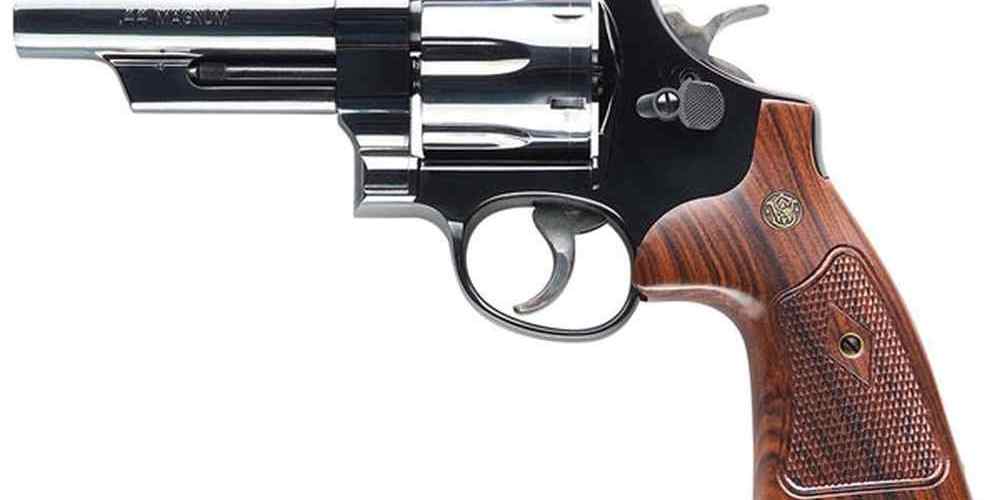
A handgun trigger job should make a firearm more usable without making it less safe. The mistake that creates the biggest problems is usually overdoing the work—cutting too much engagement, lightening the trigger beyond practical limits, or altering parts without understanding how the system works as a whole. Small gains in feel are never worth a compromise in safety.
If you are considering trigger work, think first about the gun’s purpose. A competition pistol, a hunting handgun, and a concealed-carry sidearm each have different standards, but all of them need reliable ignition, proper reset, and secure drop safety. When in doubt, consult a reputable gunsmith, stay within manufacturer guidance, and test thoroughly before relying on any modified handgun.
Responsible ownership means knowing when improvement becomes risk. The best trigger job is the one that enhances control while preserving the firearm’s original safety features and dependable function. That balance is what protects the shooter, the community, and the long-term integrity of the handgun itself.