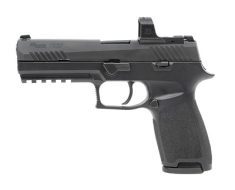
When a new handgun starts out of the box, it often feels tight, a little gritty, and sometimes even more stubborn than you expected. After the first 200 rounds, many owners notice a subtle but real change: the slide cycles smoother, the trigger may feel more consistent, recoil can seem slightly different, and the gun often settles into a rhythm that was not there on day one. That change is usually the result of normal break-in, light wear, lubrication patterning, and parts beginning to mate more closely under live-fire conditions. For responsible gun owners, understanding that shift can help separate normal behavior from problems that need attention, and it can make you a more informed, safer shooter.===
What Changes After Your First 200 Rounds
After about 200 rounds, many handguns begin to feel less “new” in a mechanical sense. Small machining marks inside the slide, barrel hood, locking lugs, frame rails, and other contact points start to smooth out as parts cycle together. This is not damage in the bad sense; it is often the normal polishing that happens when steel, polymer, and coatings repeatedly move under pressure. On pistols with tighter tolerances, especially many modern defensive handguns and some classic steel-framed designs, that initial stiffness can ease noticeably once the gun has been exercised.
Shooters also tend to notice a change in how the trigger feels. A new handgun may have a trigger that seems heavier, a bit rough, or less predictable at first. After a couple hundred rounds, contact surfaces can settle in, springs can take their first real set, and the shooter’s own familiarity with the firearm improves. That combination can make the trigger feel cleaner even if no parts have been replaced. The same is true of the recoil impulse and follow-through: what first felt sharp or inconsistent may become more manageable as the gun, the ammunition, and the shooter all “learn” each other.
Another common change is reliability behavior. Many pistols run perfectly from the start, but others need a short break-in period before they feed, eject, and lock back with maximum consistency. By 200 rounds, you may see brass ejection become more uniform, magazines seat more smoothly, and the slide cycle with less resistance. Still, it is important not to assume every malfunction is “just break-in.” Repeated failures, unusual wear, or issues that persist across different magazines and ammunition types deserve a closer look by a qualified gunsmith or the manufacturer’s support team.
Break-In Wear, Feel, and Function Explained
Break-in wear is best thought of as controlled mating between moving parts. Inside a handgun, there are numerous surfaces that contact each other during every cycle: the barrel and slide interface, the recoil spring assembly, the extractor, the feed ramp, and the magazine lips, to name a few. In a brand-new firearm, microscopic high spots and tool marks can create extra friction. As those surfaces burnish, the action often becomes smoother, and the pistol may feel more “settled” in the hand. This is why many experienced shooters describe a new gun as loosening up after a few boxes of ammo.
Function can change in small but meaningful ways during this period. A pistol that initially returns to battery with a noticeable snap may begin to close more quietly and cleanly. A magazine that felt stiff at first may become easier to load and insert. Even the slide release, takedown lever, and safety controls can feel more natural as springs and detents normalize. Historical steel-framed service pistols often benefited from extensive use because their parts were deliberately fitted with a margin that expected some initial smoothing, and many modern handguns still show that same pattern in a lighter, more manufactured-to-tolerance form.
That said, not every change after 200 rounds is positive, and that is where responsible inspection matters. If wear appears uneven, if the finish is flaking in unusual spots, or if you notice peening, cracks, or unreliable lockup, stop and investigate before continuing. Clean the handgun according to the manufacturer’s instructions, inspect the rails, barrel, and magazines, and use the recommended lubricant sparingly but correctly. For defensive carry guns, test the firearm with the exact ammunition you plan to rely on, because a gun that runs well with practice loads may behave differently with hollow points or other duty ammunition. In short, the first 200 rounds are as much a diagnostic period as they are a break-in period, and paying attention during that time is part of good gun ownership.
A handgun feeling different after the first 200 rounds is usually a sign that it is becoming acquainted with real use rather than a sign that something is wrong. The key is to recognize the difference between normal settling-in and genuine mechanical concern. By observing how the trigger, slide, magazines, and recoil behavior evolve, you gain useful insight into the health and character of your firearm, and you become better prepared to maintain it properly. Above all, keep safety first: follow the rules of firearm handling, verify reliability before carrying, and never hesitate to consult the manufacturer or a qualified gunsmith if the changes you notice seem abnormal.