Wet weather changes the way a firearm feels in the hand, and that can matter more than many shooters expect. Rain, sweat, humidity, and mud can all reduce control if the grip surface is too smooth or poorly shaped. A well-chosen grip texture can make the difference between a confident hold and a fumbled one, especially when safety and accuracy depend on consistent handling.
For hunters, concealed carriers, range shooters, and anyone who keeps a firearm for home defense, grip texture is not a cosmetic detail. It is part of the interface between the shooter and the gun, and in poor weather that interface becomes even more important. The right texture can help maintain retention, support recoil management, and improve control while still allowing safe manipulation of the firearm under stress.
How Grip Texture Boosts Wet-Weather Control
Grip texture works by increasing friction between the hand and the firearm, which helps prevent slipping when moisture is present. In wet conditions, even a small loss of traction can affect trigger discipline, muzzle control, and the ability to keep the firearm indexed correctly during reloads or transitions. A textured surface gives the hand more purchase, making the gun feel steadier and easier to manage without requiring excessive gripping force.
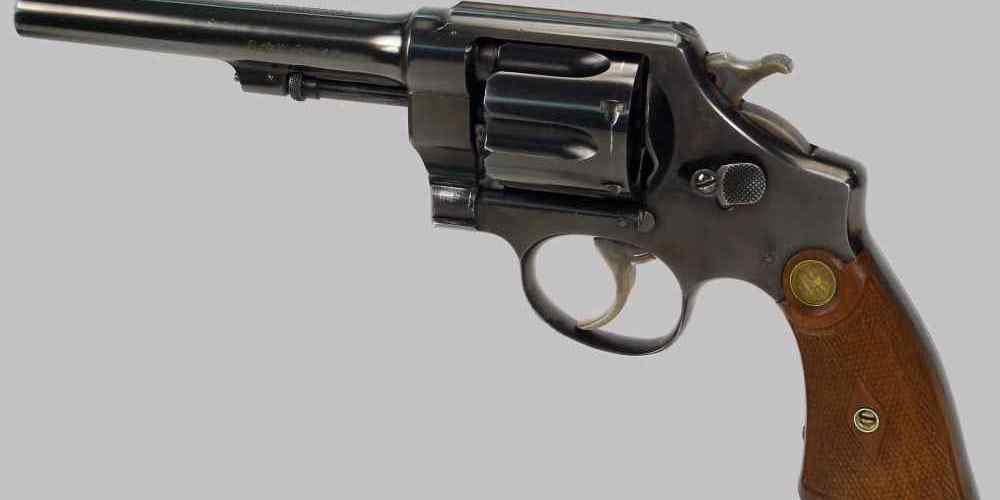
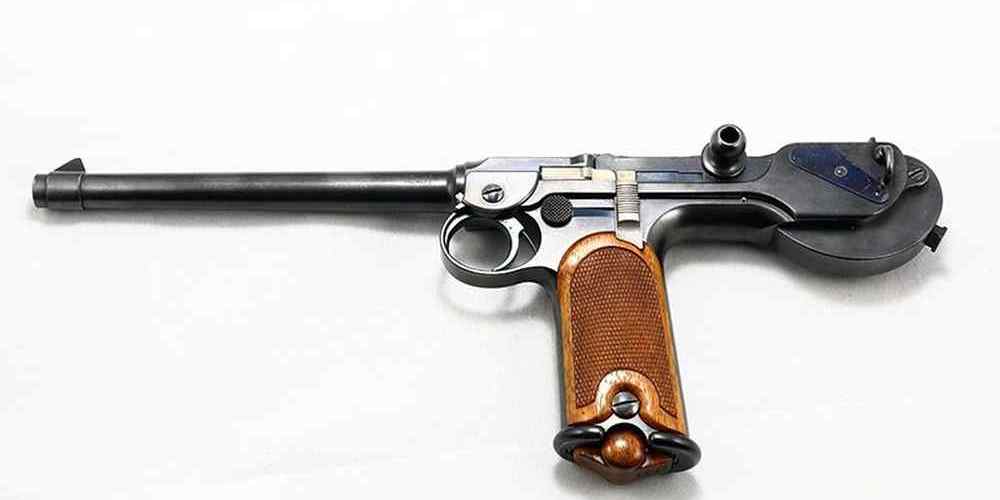
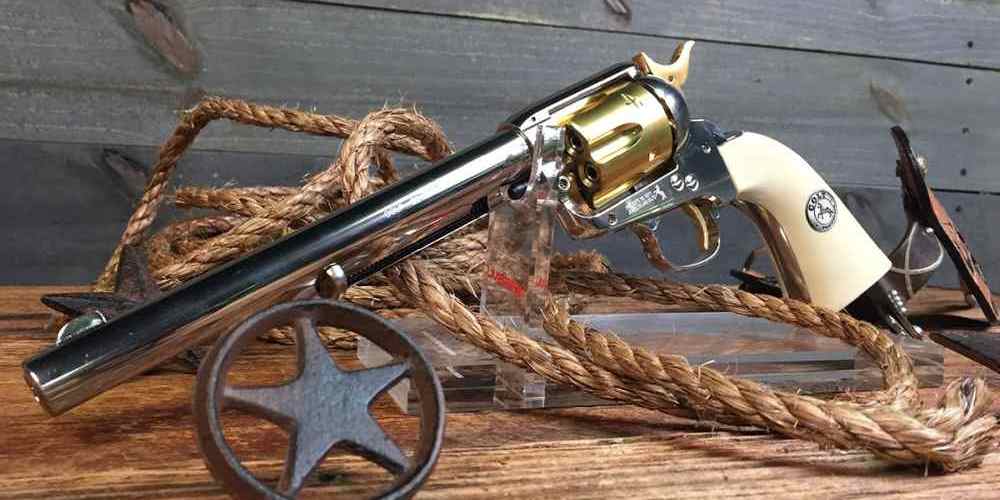
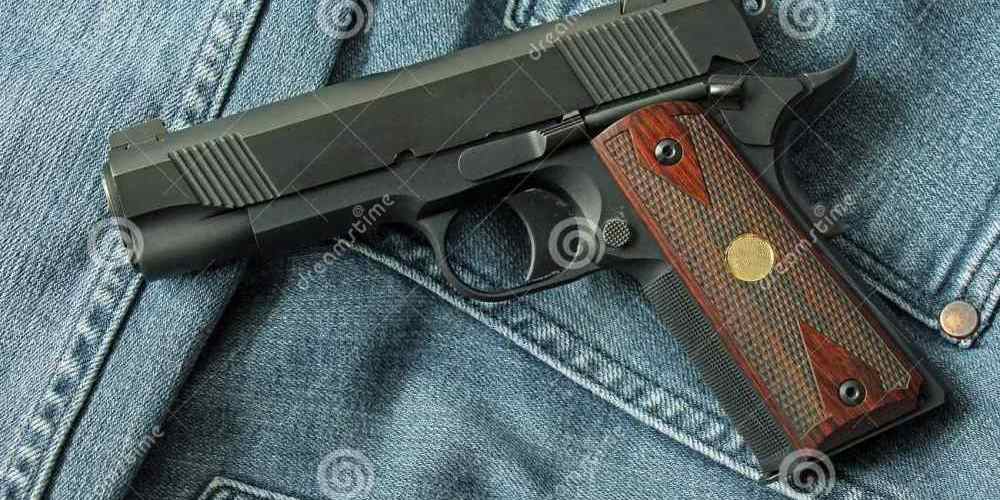
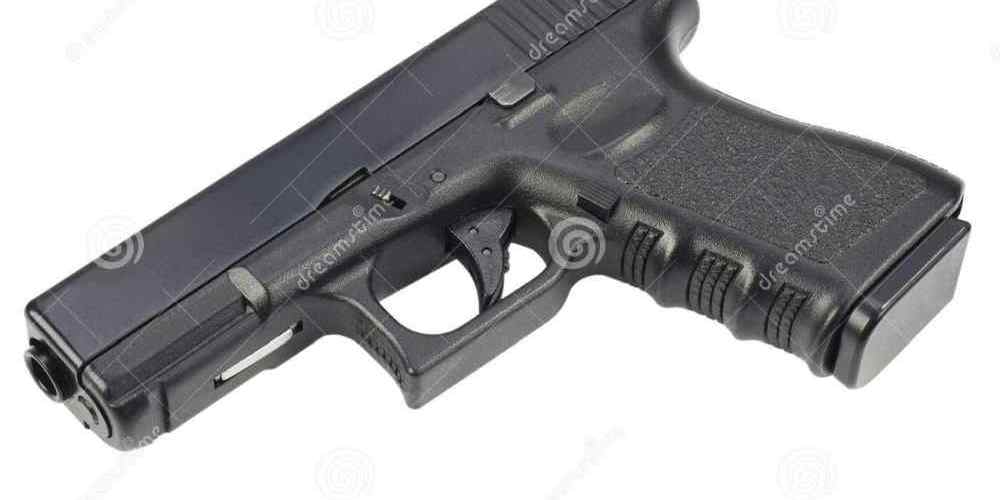
Historically, firearm makers have experimented with checkering, serrations, stippling, and patterned panels for exactly this reason. Classic wooden stocks often featured checkered areas for hunting in damp climates, while modern polymer pistols use molded texture or aftermarket stippling to improve control. The principle has stayed the same over time: better surface engagement improves handling, especially when rain, perspiration, or cold-weather gloves are part of the equation.
That said, more texture is not always better. An overly aggressive grip can chew up clothing, abrade skin during long carries, or become uncomfortable during extended practice. Responsible gun owners should look for a balance between traction and comfort, then verify the choice at the range in realistic conditions. A proper wet-weather grip should support safe manipulation, not make the firearm difficult to handle or distract from good fundamentals.
Choosing the Right Pattern for Secure Handling
The best grip pattern depends on the firearm, the user’s hand size, and the conditions in which the gun will be used. Fine checkering, medium stippling, and deep aggressive textures each serve different purposes. A hunter who wears gloves in cold rain may prefer a more pronounced pattern, while a concealed carrier may want something secure but less abrasive for everyday comfort and clothing compatibility.
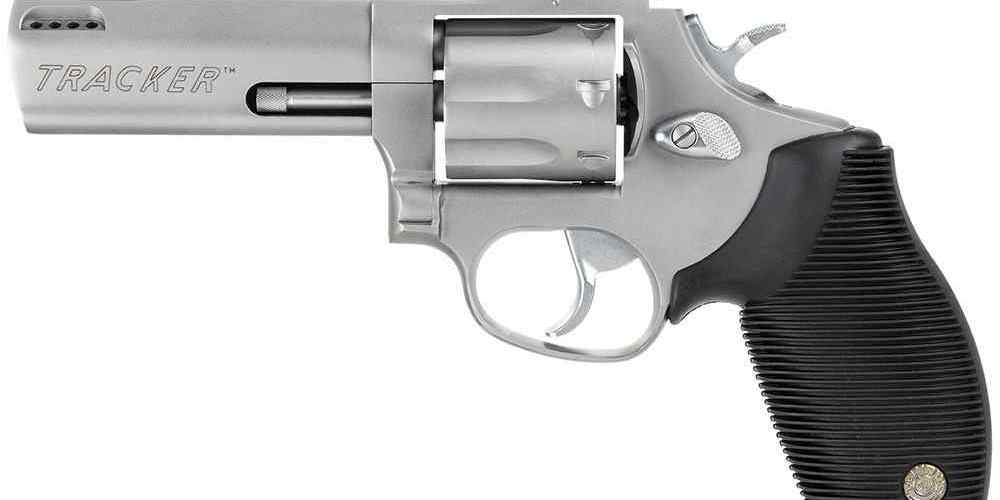
Material also matters. Polymer frames can often be improved with molded textures, grip sleeves, or professional stippling, while wood and laminate stocks may respond better to checkering or adhesive grip panels. Metal surfaces, especially on older pistols or revolvers, can sometimes benefit from wraparound grips that add both texture and insulation from cold, wet hands. Whatever the platform, the goal is the same: stable control without sacrificing safe operation or reliable access to the firearm’s controls.
It is wise to test any grip change under controlled, legal, and safe conditions. Try handling the firearm with damp hands, while wearing the gloves you actually use, and while practicing standard manipulations such as loading, unloading, and clearing the firearm. For many owners, a modest texture upgrade offers the best all-around solution, especially when paired with regular maintenance, clean hands, and safe storage to prevent rust or material wear. Responsible preparation ensures that when weather turns rough, control remains predictable and safe.
Grip texture may seem like a small detail, but in wet weather it becomes a meaningful part of firearm control. The right surface can improve confidence, support safe handling, and help the shooter stay consistent when conditions are far from ideal. That advantage matters whether you are in the field, on the range, or maintaining readiness for lawful self-defense.
As with any firearm modification, the best choice is the one that serves your needs without compromising safety, comfort, or reliability. Choose thoughtfully, test carefully, and keep your practices grounded in lawful, responsible ownership. A well-selected grip texture is not just about feel; it is about maintaining control when the environment works against you.