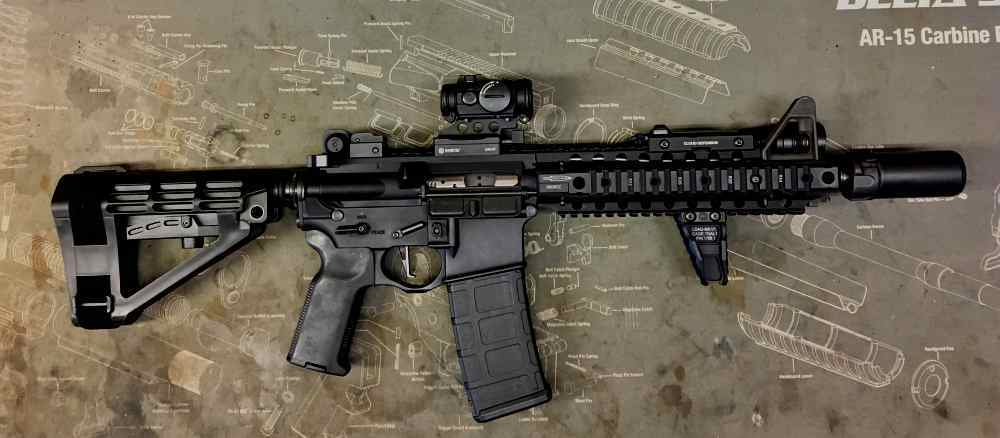
When a rifle optic won’t stay zeroed, every shot becomes a question mark. For hunters, competitors, and responsible firearm owners alike, that uncertainty is more than frustrating—it can undermine confidence and precision when it matters most. The good news is that many zeroing problems trace back to one overlooked detail: mounting torque. Dialing in the correct optic mount torque spec is one of the simplest, most reliable ways to help keep your optic secure, reduce movement, and maintain consistent point of impact over time.
Set Your Mount Torque to Hold Zero Solid
A properly torqued optic mount creates the clamping force needed to keep the scope or red dot from creeping under recoil, vibration, and regular handling. In practical terms, torque is what turns “tight enough” into a repeatable, measurable standard. When mount screws are under-torqued, the optic can shift microscopically with each shot; when they’re over-torqued, you risk stripping threads, distorting rings, or damaging the optic body itself. The right spec is not a guess—it’s a requirement for long-term consistency.

For most modern mounts, the manufacturer’s torque specification is the best starting point, and it should always be followed first. Many ring cap screws and base screws are designed for specific inch-pound values, often using blue threadlocker where appropriate, while some setups require dry assembly or a different compound. A quality torque driver is a worthwhile tool for any serious gun owner because it helps deliver repeatable results. Using one prevents the common mistake of “snugging by feel,” which can vary from one session to the next and from one shooter to another.
There’s also a historical reason this matters. Early optics mounting systems were often less standardized, and shooters learned through trial and error that loose screws and inconsistent installation would ruin confidence in a rifle. Today’s precision-oriented shooting culture has improved the process significantly, but the principle remains unchanged: the optic must be mounted correctly if it is expected to hold zero. Responsible ownership means respecting those small technical details, because they directly support safe, accurate, and effective firearm use in the field or at the range.
Why Proper Torque Stops Optic Shift Fast
Optic shift usually happens gradually, which is why many shooters don’t notice it immediately. A rifle may seem perfectly zeroed one day, then print slightly off the next after recoil, travel, or a few range sessions. Proper torque helps stop that movement at the source by securing the optic with enough pressure to resist recoil forces without stressing the hardware. That balance is especially important on hard-kicking rifles, lightweight hunting setups, and duty-style carbines that see repeated use.
Correct torque also helps preserve alignment between the optic and the bore. If rings are unevenly tightened or the base is not seated properly, the optic can be subtly twisted or canted, leading to erratic point-of-impact changes. That’s why good installation practices matter just as much as the number on the torque driver. Clean screw threads, properly degreased contact surfaces when recommended, and even tightening sequences all help the mount settle evenly. In other words, torque is not just about “how hard”; it is about consistent clamping and balanced pressure.
For real-world use, this means fewer surprise changes when you need your rifle to perform. A properly mounted optic is more likely to survive transport, weather swings, repeated firing, and the bumps of everyday handling. Hunters benefit from confidence in the field, home defenders benefit from dependable readiness, and recreational shooters benefit from fewer frustrating trips back to the bench. The practical takeaway is simple: if you want your optic to stay put, treat torque as part of your accuracy system, not an afterthought.
The best optic mount torque spec is the one that matches the manufacturer’s guidance, is applied with the right tool, and is installed with care. That combination won’t guarantee perfection forever, but it will dramatically reduce the chances of zero loss and help your rifle perform the way it should. For any responsible gun owner, that’s a smart investment in safety, consistency, and peace of mind.