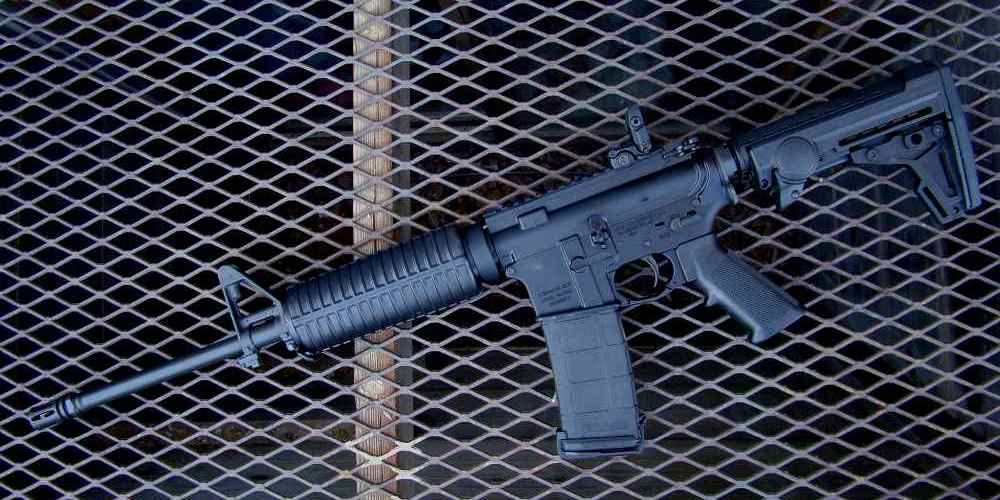
Proper headspacing is one of those details that rarely gets attention in AR-15 builds until something goes wrong, and by then the problem is no longer academic. For responsible gun owners, hunters, self-defense users, and enthusiasts alike, understanding headspace is part of understanding the rifle itself. The AR-15 is a remarkably modular platform, but that modularity can sometimes create the impression that any quality parts will simply “fit and run” without further checks. In reality, safe and reliable performance depends on more than good branding or tight tolerances; it depends on ensuring the chamber and bolt work together within proper specifications.
Why Headspacing Gets Overlooked in AR-15 Builds
Most AR-15 builders overlook headspacing because the platform has a reputation for parts compatibility and ease of assembly. Factory-built rifles often arrive ready to fire, so many owners assume that swapping an upper, bolt, or barrel is equally straightforward. In many cases, it is—but “usually” is not the same as “always,” and that distinction matters when safety is on the line. Because the rifle may appear mechanically complete and function during basic cycling, the hidden issue of chamber-to-bolt fit often goes unnoticed until a more serious problem appears.

Another reason headspacing gets neglected is that the term itself sounds more technical than practical. New builders often focus on visible milestones: torquing the barrel nut, aligning the gas system, and function-checking the trigger. Headspace is less visible, less discussed in casual build videos, and sometimes treated as a gunsmith-only concern. That can be a costly mindset, because headspace is not an advanced luxury check; it is a core safety measurement that helps confirm the cartridge will seat and fire within acceptable pressure limits.
The AR-15’s design also contributes to the confusion. Since the platform uses a separate bolt and barrel extension, builders may assume that any mil-spec bolt and barrel are automatically safe together. While that is often true with reputable, in-spec components, tolerances still vary across manufacturers, and combinations of parts can create borderline conditions. Add in mixed sourcing, aftermarket barrels, and replacement bolts, and the likelihood of skipping a proper check rises—especially when the rifle seems to “look right” and the builder is eager to get to the range.
How to Check Headspace Before You Shoot
The safest and most common way to verify headspace in an AR-15 is with properly chambered headspace gauges: a GO gauge and a NO-GO gauge, and in some cases a FIELD gauge for additional verification. These gauges are precision tools that let you confirm whether the bolt closes as it should on a chamber of a given specification. A GO gauge indicates acceptable minimum chamber depth, while a NO-GO gauge helps identify a chamber that may be too long for safe use. For most owners, the key point is simple: if you are assembling or replacing critical parts, checking headspace is a responsible step before live fire.
Before using gauges, make sure the rifle is completely unloaded and the work area is safe and organized. Remove the bolt carrier group, strip the bolt if needed depending on the gauge maker’s instructions, and keep ammunition away from the bench. Insert the GO gauge into the chamber, then attempt to close the bolt using light pressure only; it should close properly on a GO gauge in a correctly set-up rifle. Next, test with the NO-GO gauge—closure on this gauge is a warning sign that the rifle should be evaluated by a qualified gunsmith before firing. Always follow the gauge manufacturer’s guidance, since some methods vary slightly by tool and chambering.
If you do not own gauges, a reputable gunsmith or armorer can perform the check quickly and affordably, and that may be the best route for a first-time builder. This is especially wise if you are mixing manufacturers, using a new barrel and bolt combination, or buying a used upper assembly with an unknown history. Headspace concerns are not limited to catastrophic failures; excessive or improper headspace can also affect primer condition, case life, accuracy, and overall reliability. In a platform as capable and widely used as the AR-15, taking this one extra step is a practical investment in safe, dependable performance.
Headspacing gets overlooked because the AR-15 is familiar, modular, and often forgiving—but safe ownership should never rely on luck or assumptions. A proper check is a small part of the build process, yet it carries outsized importance for reliability and safety. Whether you assemble rifles for hunting, home defense, competition, or general range use, confirming headspace is part of doing the job right and respecting both the firearm and the people around it.
For armsparts.com readers, the message is straightforward: use quality components, follow manufacturer specifications, and do not skip verification when parts are changed or a rifle’s history is unknown. If you are unsure, seek help from a qualified gunsmith or armorer rather than guessing. Responsible gun ownership means putting safety first, and headspace checks are one of the clearest examples of that principle in practice.