The AR-15 has earned a loyal following for its modularity, accuracy, and ease of customization, but one common complaint keeps coming up: the trigger feels “mushy.” For many shooters, that vague, spongy pull can make a good rifle feel less precise than it should. The good news is that mushiness usually comes from a few predictable causes, and many of them can be improved quickly and safely with the right approach.
At a basic level, trigger feel is about how cleanly the parts inside the fire control group move and break. In a well-tuned AR-15, the trigger should travel smoothly, hit a clear wall, release with a defined break, and reset positively. When that sequence feels soft, vague, or rubbery, it can affect confidence, follow-up shots, and overall shooting consistency.

This article breaks down why so many AR-15 triggers feel mushy today and what you can do to improve the feel fast without compromising safety, reliability, or legality. Whether you shoot for hunting, home defense, competition, or range use, understanding the mechanics behind trigger feel will help you make smarter upgrades and maintain your rifle responsibly.
Why Most AR-15 Triggers Feel Mushy Today
A lot of factory AR-15 triggers are designed with broad compatibility and mass production in mind, not with a crisp match-grade feel as the priority. That means manufacturers often choose heavier springs, generous sear engagement, and more conservative tolerances to ensure reliable ignition across different ammunition types. The result is a trigger that is dependable, but often somewhat vague in the take-up and break.
Another major reason is simple wear and finish quality. On many standard mil-spec-style triggers, the contact surfaces are functional but not especially refined, so the pull can feel gritty or sponge-like before it breaks. Add a little roughness from machining marks, dry parts, or carbon buildup, and the trigger can start to feel even softer and less defined than it did out of the box.
The lower receiver’s trigger feel can also be influenced by installation, lubrication, and parts pairing. A trigger that isn’t seated properly, a spring installed incorrectly, or an over-lubed fire control group can all contribute to a sloppy sensation. Even tiny variations in hammer and trigger geometry matter, which is why two rifles that look identical on the outside can feel very different at the finger.
Fast Fixes for a Cleaner AR-15 Trigger Pull
The fastest improvement is often a proper cleaning and light lubrication of the fire control group. Clear the firearm completely, verify it is unloaded, and disassemble it according to the manufacturer’s instructions before doing anything else. Then clean away carbon, old lubricant, and debris from the trigger, hammer, pins, and receiver pocket; a small amount of quality gun oil on the contact points can reduce drag and make the pull feel noticeably smoother.
If you want a real step up in trigger quality, a drop-in or upgraded trigger group is usually the most effective solution. Many aftermarket options offer reduced creep, a cleaner break, and a more predictable reset, which can dramatically change how the rifle feels. The right choice depends on your use case: a self-defense rifle may benefit from a reliable, modestly improved trigger, while a competition gun might justify a lighter, more refined setup.
It also helps to check the small details that can make a big difference. Make sure the trigger and hammer pins are properly seated, the springs are installed in the correct orientation, and the safety selector functions correctly after any change. If you are unsure about installation or legality—especially with lightened triggers, binary-style devices, or other specialty components—consult a qualified gunsmith and follow all federal, state, and local laws.
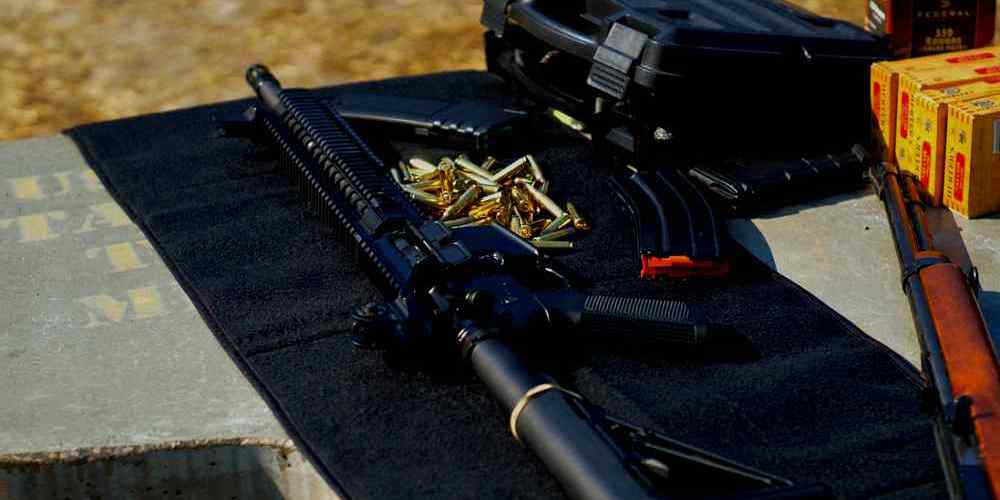
A mushy AR-15 trigger is usually not a mystery; it is often the result of conservative factory design, rough contact surfaces, dirt, or a basic parts package that was built for reliability first. Once you understand what is happening inside the lower receiver, it becomes much easier to diagnose the issue and choose a fix that fits your needs. For many shooters, a careful cleaning and proper lubrication make an immediate difference.
If you want more improvement, an upgraded trigger can transform the rifle’s feel while still keeping safety and dependability front and center. The key is to match the trigger to the rifle’s purpose, install it correctly, and always function-check the firearm after any change. A better trigger should improve control and confidence, not create uncertainty.
Responsible gun ownership means keeping your rifle safe, legal, and well maintained. Take the time to verify compatibility, test your setup at the range, and learn how your rifle behaves before relying on it for hunting, competition, or defensive use. A cleaner trigger pull is one of the simplest ways to make an AR-15 more enjoyable and more effective to shoot.