How to Customize Your Firearm’s Sights
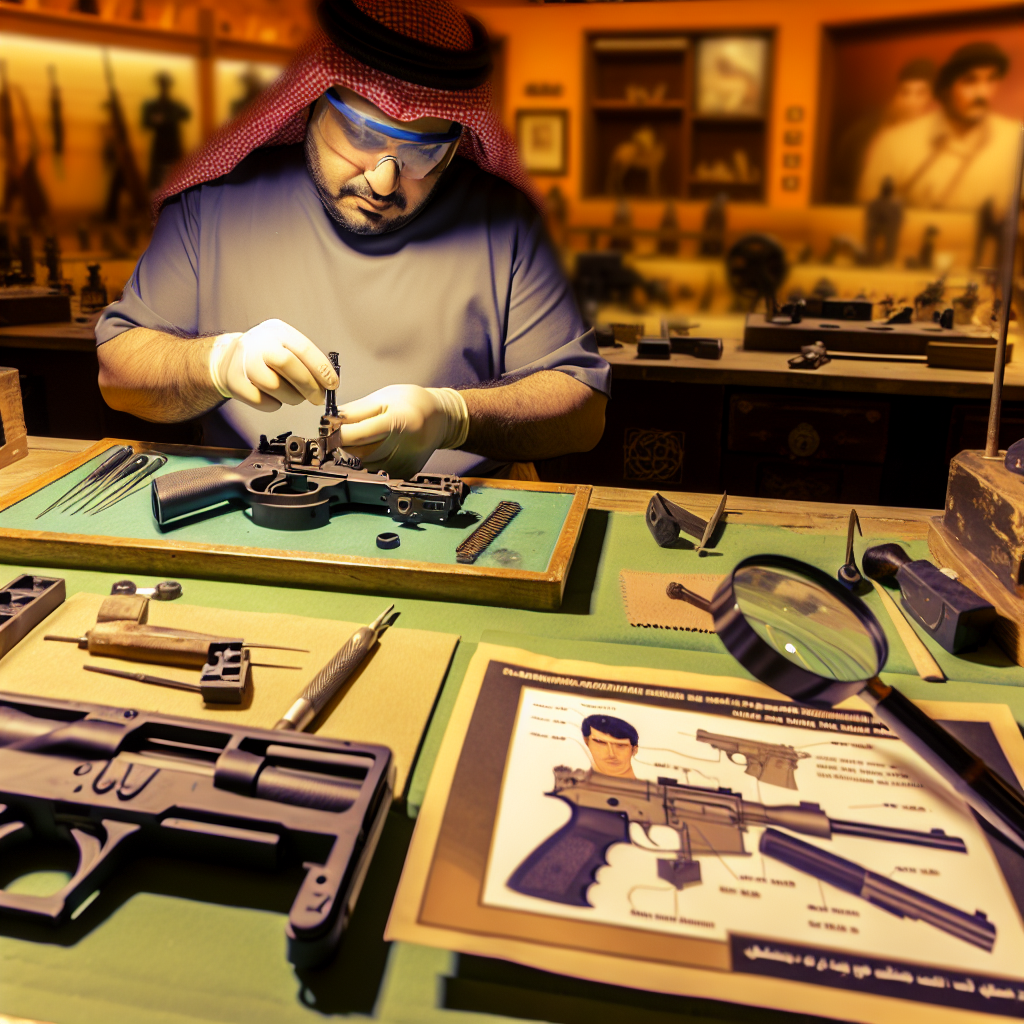
Customizing your firearm’s sights is one of the most effective ways to improve accuracy, enhance shooting performance, and tailor your weapon to your specific needs. Whether you are a beginner looking to enhance your first pistol or an experienced marksman seeking precision upgrades, understanding how to modify and optimize your firearm’s sights can make a significant difference in your shooting experience.
This comprehensive guide will walk you through the essentials of customizing firearm sights, including types of sights, adjustment techniques, installation tips, and practical considerations for different shooting scenarios. Additionally, we’ll explore real-world examples and statistics that highlight the benefits of proper sight customization.
Understanding Different Types of Firearm Sights
Before diving into customization, it’s crucial to understand the various types of sights available. Each type serves different purposes and suits different firearms and shooting styles.
- Iron Sights: The most basic and traditional sighting system consisting of a front post and rear notch or aperture. Iron sights are durable, simple, and commonly found on many handguns and rifles.
- Red Dot Sights: Electronic optics that project a red dot reticle on a lens for quick target acquisition. Popular among competitive shooters and tactical users due to their speed and ease of use.
- Holographic Sights: Advanced optics that use laser technology to project a reticle onto a holographic display. They offer greater precision at various distances but tend to be more expensive than red dots.
- Scope Sights: Magnified optics primarily used for long-range shooting. Scopes come with adjustable zoom levels and reticles tailored for precision targeting.
- Night Sights: Designed for low-light conditions, these often incorporate tritium or fiber optic elements that glow in the dark for better visibility.
Choosing the right sight depends on your firearm type, intended use (self-defense, hunting, competition), budget, and personal preference.
The Importance of Sight Customization: Why Upgrade Your Sights?
Sight customization is not just about aesthetics; it profoundly impacts shooting accuracy and confidence. According to a study by the National Shooting Sports Foundation (NSSF), shooters who upgraded from factory iron sights to enhanced sights experienced an average improvement in hit probability by approximately 25% during target drills.
The main reasons shooters customize their sights include:
- Improved Accuracy: Enhanced sights allow for better target alignment and faster sight picture acquisition.
- Faster Target Acquisition: Red dot and holographic sights enable shooters to keep both eyes open while aiming, increasing situational awareness and speed.
- Adaptability: Custom sights can be tailored for specific lighting conditions or shooting distances.
- User Comfort: Adjusting sight height or style can reduce eye strain and improve ergonomics during extended shooting sessions.
A good example comes from competitive shooter Julie Golob, who credits her success at national matches partly to her customized night sights on her pistol which allowed her faster transitions between targets in varying light conditions.
How to Customize Your Firearm’s Sights: Step-by-Step Guide
The process of customizing firearm sights varies depending on the type of sight you’re upgrading from and installing. Below is a detailed step-by-step approach applicable to most common scenarios.
Selecting Your New Sights
- Assess Compatibility: Verify that your chosen sight model fits your firearm make and model. Many manufacturers provide compatibility charts or tools online.
- Choose Sight Style: Decide whether you want iron replacements (fiber optic or tritium), red dot optics, or other types based on your needs discussed earlier.
- Consider Durability & Maintenance: For tactical use or outdoor hunting, choose rugged sights with weather-resistant coatings or materials like stainless steel or aluminum alloys.
Removing Existing Sights
- Cock Your Firearm & Ensure Safety: Always double-check that the firearm is unloaded before proceeding with any modifications.
- Use Proper Tools: Depending on sight type (dovetail iron sights vs. mounted optics), you might need punches, screwdrivers, hex keys, or specialized sight removal tools.
- Pry Gently & Evenly: For dovetail-style iron sights, carefully tap them out using a brass punch from one side while supporting the opposite side to avoid damage.
Installing New Sights
- Dovetail Iron Sight Installation:
- Align new sight with dovetail slot;
- Gently tap into place ensuring it sits flush;
- Apply blue thread locker if screws are present;
- Verify alignment visually before final tightening.
-
Erect Red Dot / Holographic Sight Installation: Mount optic base onto slide or rail system; then secure it with the provided screws, ensuring a tight fit without over-tightening.
With the right sights installed, you can enhance your shooting accuracy and experience.