How to Build a Competition-Grade Rifle
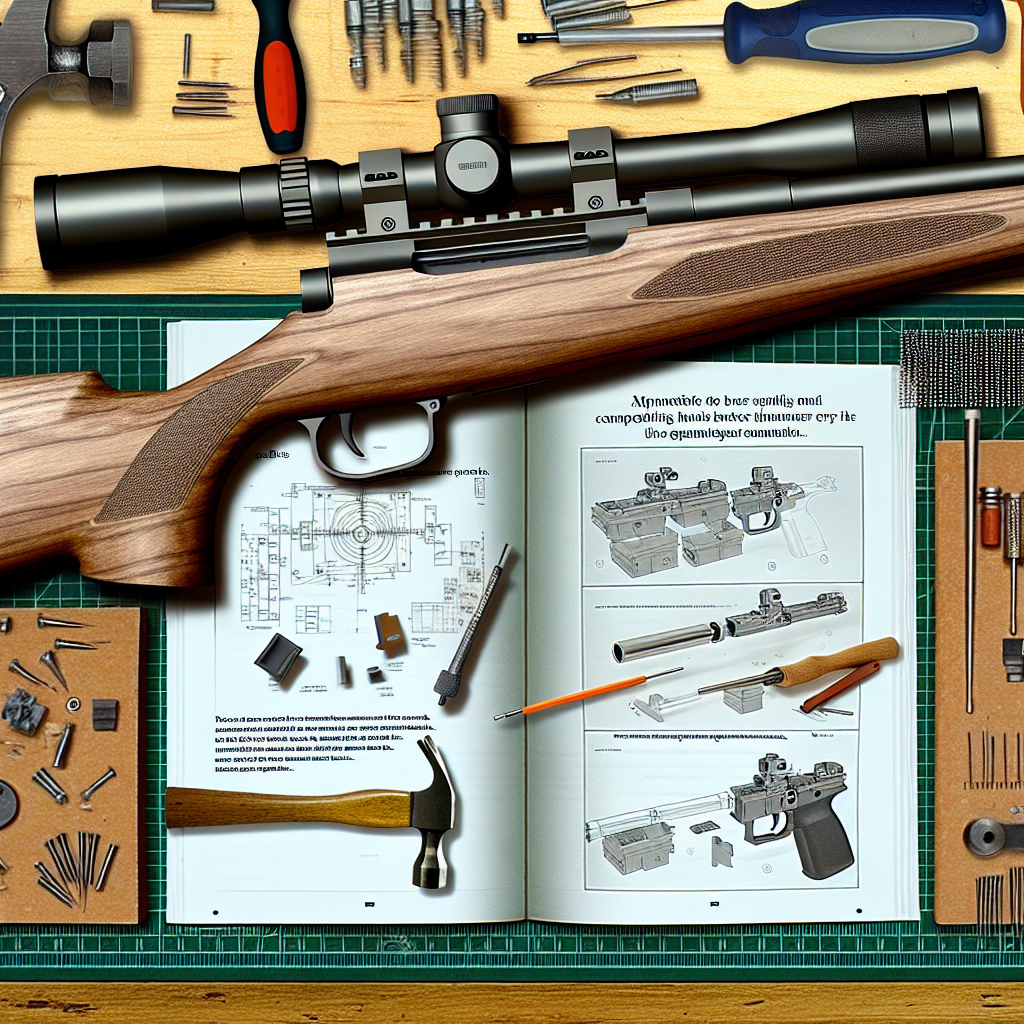
Building a competition-grade rifle is a meticulous process that demands precision, knowledge, and attention to detail. Whether you are an aspiring marksman aiming to compete in long-range shooting matches or a seasoned competitor seeking to upgrade your equipment, constructing your own rifle can give you the edge needed to outperform the competition. This article provides a comprehensive guide on how to build a competition-grade rifle, covering everything from selecting components to fine-tuning performance.
Understanding the Fundamentals of Competition Rifles
Before diving into the assembly and customization of your competition rifle, it’s essential to understand what differentiates a competition-grade rifle from standard hunting or tactical rifles. A competition-grade rifle is engineered for accuracy, consistency, and reliability under match conditions. These rifles often feature specialized components designed to minimize recoil, enhance precision, and facilitate quick target acquisition.
Key characteristics of competition rifles include:
- High accuracy: Typically capable of sub-MOA (Minute of Angle) groups at 100 yards.
- Consistent performance: Minimal variation in shot placement over extended strings of fire.
- Customization: Adjustable stocks, triggers, and optics tailored to the shooter’s preferences.
- Durability: Built to withstand rigorous use during competitions without compromising performance.
According to the Precision Rifle Series (PRS), successful competitors often spend thousands of dollars on custom-built rifles that meet these stringent requirements. For example, the top shooters in PRS matches frequently use rifles chambered in calibers like 6.5 Creedmoor or .308 Winchester due to their balance of ballistic performance and manageable recoil.
Selecting the Right Components for Your Build
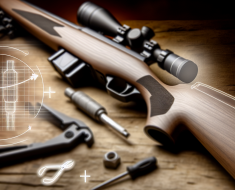
The foundation of any competition-grade rifle lies in its components. Each part plays a critical role in accuracy and reliability. Below is an overview of key components you need to consider when building your rifle:
The Action
The action is the heart of your rifle—the mechanism responsible for chambering rounds and ejecting spent cartridges. For competition builds, bolt-action rifles are preferred for their inherent accuracy and mechanical simplicity.
- Bedding compatibility: Choose an action that can be properly bedded into your stock for enhanced stability.
- Smoothness: A smooth bolt throw reduces shooter fatigue and improves follow-up shot speed.
- Reputation: Brands like Surgeon Rifles, Bighorn Arms, and Defiance Machine are well-regarded for their precision actions.
The Barrel
The barrel’s quality greatly influences accuracy. Match-grade barrels are crafted with tight tolerances and superior steel alloys such as stainless steel or carbon steel blends.
- Length: Longer barrels (22-26 inches) provide higher muzzle velocity but may add weight; shorter barrels increase maneuverability but can reduce velocity.
- Bore diameter: Common match calibers include 6mm variants like 6mm Creedmoor or larger calibers like .308 Winchester; select based on competition rules and personal preference.
- Twist rate: Ensure it matches your bullet weight for optimal stabilization (e.g., 1:8 twist for heavier bullets).
The Stock
Your stock should offer both comfort and stability. Precision shooting stocks are often made from fiberglass or carbon fiber composites for rigidity without excess weight.
- Adjustability: Features like adjustable cheek rests and length-of-pull allow you to customize fit for consistent shooting posture.
- Bedding type: Choose between pillar bedding or glass bedding techniques to lock the action securely in place.
- Sling attachments: Essential for positional shooting events where stability is augmented by slings or bipods.
The Trigger
A crisp, light trigger pull with minimal creep is paramount for precision shooting. Most competitive shooters prefer triggers with pull weights between 1.5 to 3 pounds.
- Adjustable triggers: Brands like Timney, Jewel, and TriggerTech offer customizable pull weights and travel adjustments.
- Smooth break: Ensures no disturbance during shot release which could affect group sizes.
The Optics
Your scope is arguably one of the most critical investments in your build. High-quality optics with precise adjustments help shooters make split-second decisions under pressure.
- Magnification range: Variable scopes such as 4-16x or even up to 10-60x depending on match distance requirements.
- Tactical turrets: Enable fast elevation and windage corrections without losing zero settings.
- Reticle choice: Mil-dot or MOA reticles assist with range estimation and holdovers during dynamic stages.
The Assembly Process: Putting It All Together
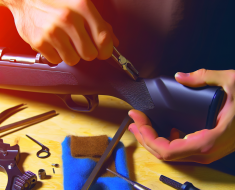
The assembly phase requires patience, precision tools, and sometimes professional assistance—especially when it comes to bedding the action into the stock or threading barrels.
Here’s a step-by-step outline for assembling your competition-grade rifle:
With careful attention to detail and the right components, you can create a rifle that performs exceptionally well in competition settings.