How to Replace a Worn-Out Recoil Spring: A Comprehensive Guide
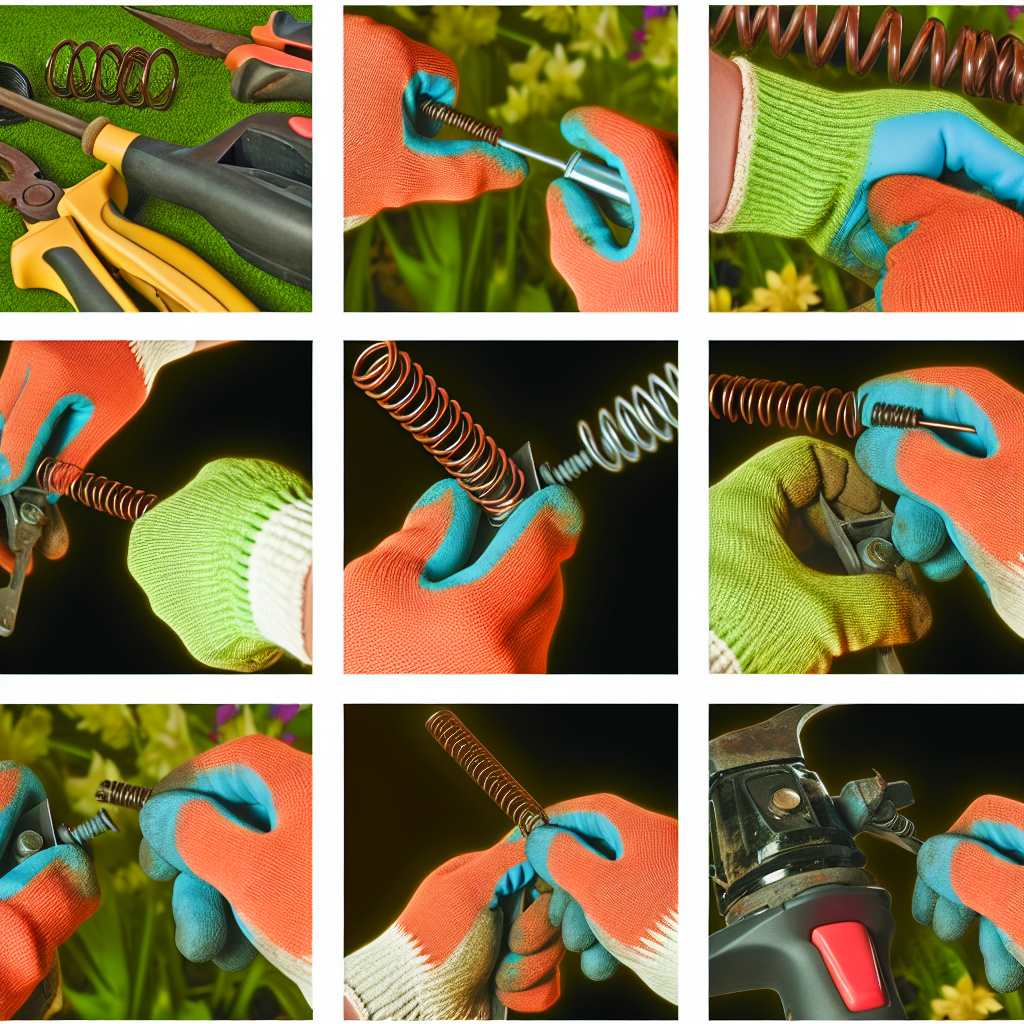
Recoil springs are fundamental components in many mechanical systems, especially firearms and small engines, where they absorb shock and return parts to their original position. Over time, these springs wear out due to repeated use, leading to diminished performance or complete failure. Understanding how to replace a worn-out recoil spring is crucial for maintaining the functionality and safety of your equipment.
In this article, we will explore the role of recoil springs, signs of wear, tools required for replacement, step-by-step instructions for replacement, and tips for prolonging the life of your new spring. We will also look at real-world examples and relevant statistics that underline the importance of timely maintenance.
Understanding the Role of a Recoil Spring
The recoil spring is a key part of many mechanical assemblies, most notably in firearms such as pistols and rifles, as well as in small engines like those found in lawnmowers or chainsaws. Its primary function is to absorb the energy generated when a mechanism cycles and then return components to their initial position.
For example, in firearms, the recoil spring helps manage the backward force generated when a round is fired. It ensures that the slide or bolt returns smoothly into battery after cycling. In small engines, the recoil spring is part of the pull-start assembly that rewinds the starter rope after pulling.
- Energy Absorption: It absorbs shock and prevents damage to other components.
- Component Reset: Returns moving parts to their starting position for consistent operation.
- Durability Enhancement: Helps extend lifespan by managing forces efficiently.
The performance of your firearm or engine heavily depends on a healthy recoil spring. Failure to replace it when worn can lead to misfeeds, jamming in firearms, or starting issues in engines.
Signs That Your Recoil Spring Needs Replacement
Recognizing when a recoil spring has worn out is essential for preventive maintenance. Ignoring these signs can lead to more significant mechanical problems or even safety hazards.
Common indicators include:
- Reduced Functionality: For firearms, this may manifest as failure to cycle properly or failure to return the slide fully forward. In engines with pull-start mechanisms, difficulty rewinding the rope is a typical symptom.
- Visible Wear and Tear: Inspecting the spring may reveal stretching, corrosion, cracks, or deformation.
- Loud or Unusual Noises: A worn spring may cause rattling sounds during operation due to slack or improper tension.
- Increased Effort Required: For pull-starts on engines, you might notice it takes more effort to start because the spring no longer recoils effectively.
A study by Gunsmith Magazine (2022) noted that approximately 35% of firearm malfunctions reported were linked directly to recoil spring failures or wear-related issues. This statistic highlights how critical it is to monitor this component regularly.
Tools and Materials Needed for Recoil Spring Replacement
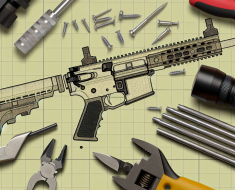
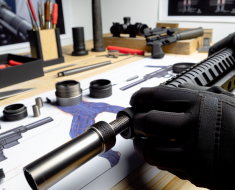
The process of replacing a recoil spring varies slightly depending on whether you are working with a firearm or an engine pull-start system. However, some common tools and materials are universally required:
- Screwdrivers: Both flathead and Phillips screwdrivers may be needed for disassembly.
- Punch Set: Useful for removing pins holding components together.
- Pliers: Needle-nose pliers help manipulate springs safely.
- Cleaning Supplies: Brushes and solvents for cleaning parts before reassembly.
- Lubricants: Appropriate grease or oil recommended by manufacturers for smooth operation post-installation.
- A Replacement Recoil Spring: Always use OEM (Original Equipment Manufacturer) parts or high-quality aftermarket springs designed specifically for your model.
If you’re working on a firearm like a Glock pistol—a popular model with millions in circulation worldwide—you might also need specialized tools such as slide stop levers or armorer’s blocks. For engine pull-starters, having a repair manual specific to your engine model can be invaluable.
Step-by-Step Guide: How to Replace a Worn-Out Recoil Spring
This section provides detailed instructions applicable mainly to firearms but can be adapted for other devices with recoil springs such as small engines.
Step 1: Ensure Safety First
Your safety should always be paramount. If working with firearms:
- Unload the firearm completely; remove all ammunition from the area.
- Double-check visually and physically that the chamber is empty.
- If unfamiliar with firearm disassembly procedures, consult your owner’s manual or seek professional assistance.
Step 2: Disassemble the Device
The next step involves partially disassembling your device to access the recoil spring:
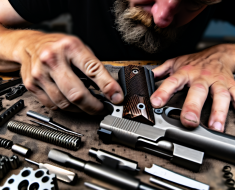
- Firearms: Remove the slide from the frame following manufacturer instructions—usually involving removing pins or pressing takedown levers.
- Pull-Start Engines: Remove housing covers carefully; you may
need to detach a few screws to gain access to the recoil spring.
With the right precautions and steps, replacing a worn-out recoil spring can enhance the performance and longevity of your device.