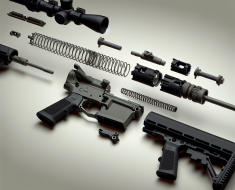
Choosing the Right Optics Mount for Your Gun
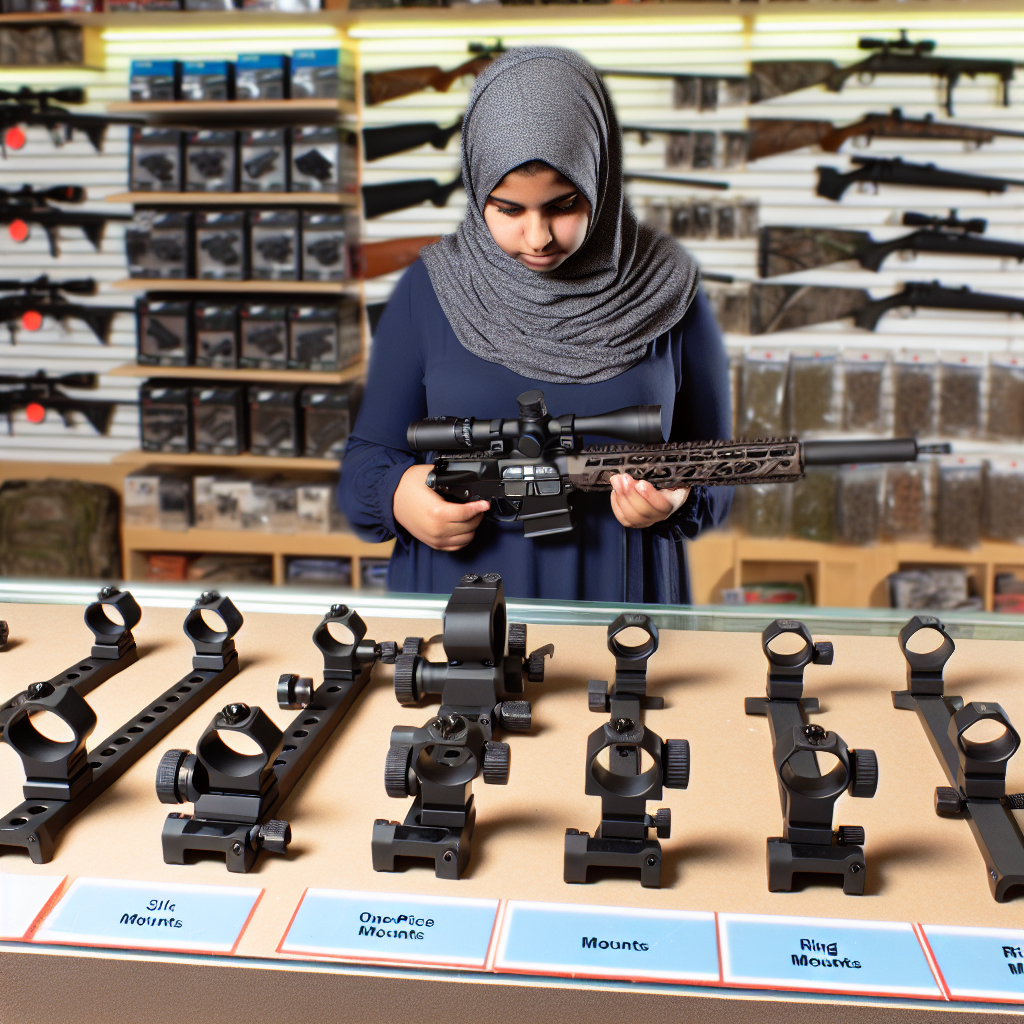
When it comes to enhancing your shooting experience, selecting the right optics mount for your firearm is as crucial as choosing the optic itself. An optics mount serves as the vital link between your gun and the sighting device, ensuring stability, accuracy, and durability under various conditions. Whether you’re a hunter, competitive shooter, or tactical enthusiast, understanding how to choose the correct mount can significantly improve your shooting performance and equipment longevity.
Understanding the Basics: What is an Optics Mount?
An optics mount is a device that securely attaches a scope, red dot sight, or any other optical accessory to a firearm. It provides a stable platform that maintains zero—meaning the point of impact remains consistent with where you aim—even after repeated use or exposure to recoil forces.
Mounts come in various styles and designs depending on the firearm type (rifle, shotgun, pistol), optic compatibility, and intended use. The two primary categories are fixed mounts and adjustable mounts:
- Fixed mounts: These are solid and sturdy but lack adjustability once installed. They are favored for simplicity and reliability.
- Adjustable mounts: These allow fine-tuning of height, cant, or alignment to optimize eye relief or compensate for different shooting positions.
Knowing these fundamentals helps in narrowing down options based on your specific needs.
Factors to Consider When Choosing an Optics Mount
Selecting the right optics mount involves evaluating several critical factors that influence both performance and compatibility. Below are key considerations every shooter should account for:
1. Compatibility with Your Firearm
The first step is ensuring your mount matches your gun’s mounting system. Different firearms have varied rail systems including:
- Picatinny Rail (MIL-STD-1913): The most common standard found on many rifles and tactical firearms.
- Weaver Rail: Similar to Picatinny but with slightly different slot spacing; some mounts fit both.
- Dovetail Rail: Often used on rimfire rifles and some shotguns; narrower than Picatinny/Weaver rails.
- Bolt-On Bases: Proprietary mounts that attach directly to specific firearm models without rails.
A mismatch here could lead to instability or inability to properly secure the optic.
2. Type of Optic Being Mounted
The size, weight, and type of optic dictate the kind of mount needed. For example:
- Red dot sights, being lightweight and compact, often require low-profile mounts designed for quick target acquisition.
- Scopes with larger objective lenses need higher rings or cantilever mounts to provide adequate clearance over barrels or iron sights.
- Variable power scopes, used in hunting or precision shooting, may benefit from adjustable mounts allowing precise alignment.
A heavy optic demands a more robust mounting system to maintain zero during recoil cycles.
3. Material and Build Quality
The durability of your mount depends heavily on its material composition and manufacturing quality. Common materials include:
- Anodized Aluminum: Lightweight yet strong; resistant to corrosion; ideal for most applications.
- Steel: Heavier but extremely durable; preferred in high-recoil firearms like magnum calibers.
- Titanium: Offers superior strength-to-weight ratio but comes at a premium price point.
A high-quality finish such as hard anodizing improves scratch resistance and longevity. Additionally, precision machining ensures tight tolerances essential for maintaining zero under stress.
4. Mounting Height and Eye Relief Considerations
The height of your mount affects your shooting posture and comfort. Improper height can cause neck strain or poor cheek weld on the stock. Key points include:
- Low mounts: Position optics closer to the bore axis; favored by tactical shooters requiring quick target acquisition through red dots.
- Medium height mounts: Common for general-purpose riflescopes providing balanced comfort and clearance.
- High mounts or cantilever designs: Necessary when mounting large objective lenses or over iron sights; useful in long-range shooting setups.
A well-chosen mount height maximizes eye relief—the optimal distance between your eye and the optic—ensuring a full field of view without distortion or blackouts.
The Impact of Recoil: Why Zero Retention Matters
An often-overlooked aspect of optics mounting is how well it maintains zero after repeated firing cycles. This is especially critical for high-caliber rifles where recoil forces can be substantial. Studies indicate that even minor shifts in mounting integrity can result in significant point-of-impact changes downrange—sometimes exceeding several inches at 100 yards.
A strong mounting system counters these forces through features such as:
- Tight clamping mechanisms with multiple screws distributing pressure evenly across contact surfaces.
- Serrated interfaces between mount base and rail preventing lateral movement during recoil.