Customizing Your Handgun Grip for Better Control
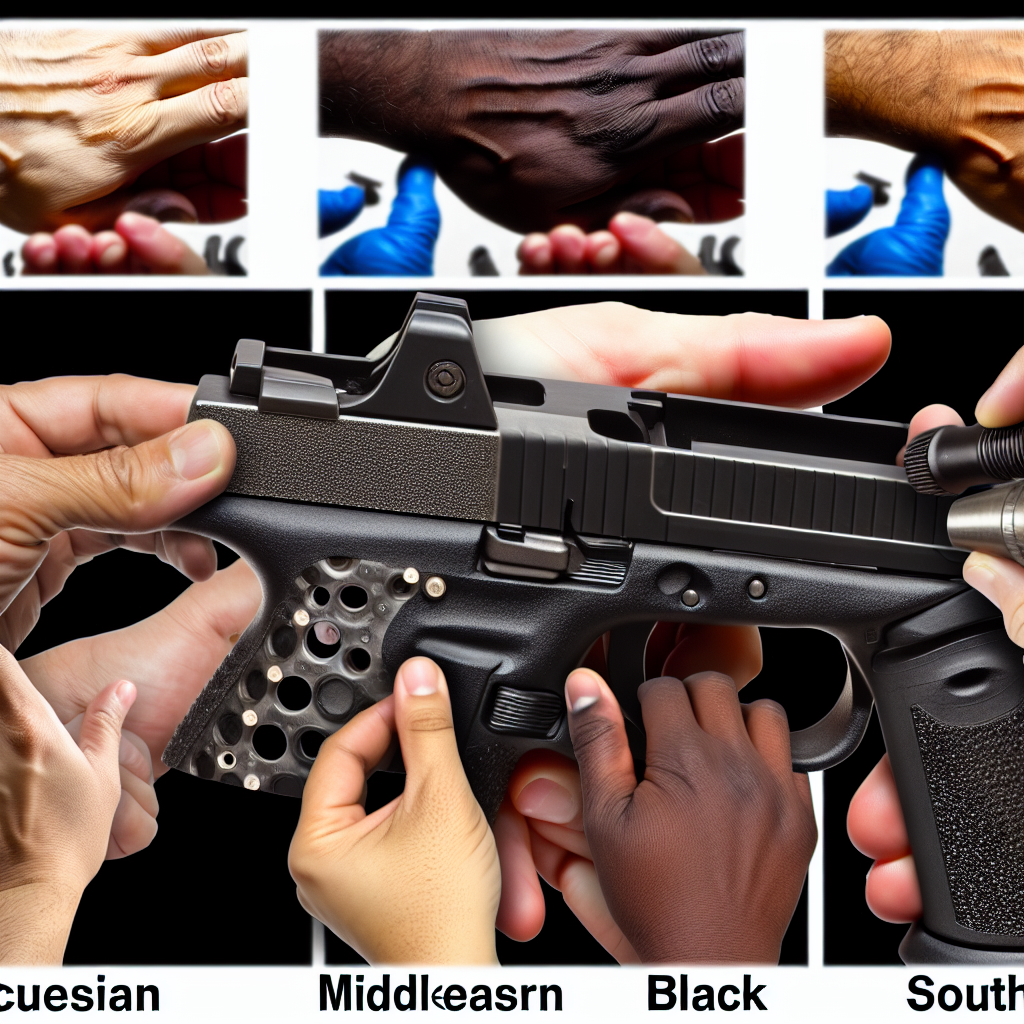
When it comes to firearm proficiency, the importance of a well-fitted handgun grip cannot be overstated. A customized grip not only enhances comfort but also significantly improves control, accuracy, and overall shooting performance. Whether you are a professional shooter, law enforcement officer, or an enthusiast looking to up your game, understanding how to tailor your handgun grip to your unique hand size and shooting style can make all the difference.
Why Grip Customization Matters: The Foundation of Shooting Accuracy
The handgun grip is the primary point of contact between the shooter and the firearm. It influences how recoil is managed, how quickly you can acquire targets, and how consistently you can place shots on target. Studies show that poor grip ergonomics are among the leading causes of inaccurate shooting and increased muzzle rise.
For example, a 2019 study published in the Journal of Applied Biomechanics found that shooters with ergonomically optimized grips exhibited a 25% improvement in shot grouping consistency compared to those using standard factory grips. This improvement is attributed to better recoil absorption and more stable trigger control.
Additionally, hand size varies widely among shooters. The average male hand length is about 7.6 inches, while females average around 6.8 inches. Without proper customization, many shooters struggle with grips that are too large or too small, causing discomfort and diminished control.
Assessing Your Hand Size and Grip Needs
Before diving into customization options, it’s essential to understand your hand anatomy and shooting requirements. This initial assessment will guide you toward the most effective modifications.
- Measure Hand Size: Use a ruler or tape measure to determine the length from the base of your palm to the tip of your middle finger. Also measure the width across your palm just below the knuckles.
- Identify Grip Style: Do you prefer a high grip (thumbs forward) or a more relaxed hold? Different grips may require different modifications.
- Shooting Purpose: Are you customizing for self-defense, competition, or recreational shooting? Each use case has unique demands on grip performance.
This data allows you to select appropriate grip sizes or materials that complement your natural hold rather than forcing you into an unnatural position.
Popular Methods for Customizing Handgun Grips
The world of handgun grip customization offers a variety of methods ranging from simple aftermarket replacements to advanced custom work. Here are some popular options:
1. Grip Tape and Wraps
A quick and affordable solution for enhancing grip texture is applying grip tape or rubberized wraps. These provide additional friction to prevent slipping during rapid fire or sweaty conditions.
- Advantages: Easy installation, low cost, reversible modification.
- Best for: Beginners wanting improved control without permanent changes.
2. Aftermarket Grips
Many manufacturers offer replacement grips made from various materials such as G10 composite, wood, rubberized polymer, or aluminum. These grips often come in different sizes or shapes designed for specific hand dimensions.
- Advantages: Enhanced ergonomics, improved aesthetics, and better durability.
- Examples: Hogue Rubber Grips are popular for their shock-absorbing properties; VZ Grips offer aggressive texturing preferred by tactical shooters.
3. Custom Milling and Shaping
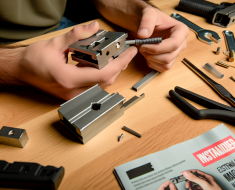
This approach involves physically altering the frame’s grip area through milling machines to fit specific hand contours precisely.
- Advantages: Perfect fit tailored uniquely for your hand geometry; enhanced control and comfort.
- Caveats: Requires professional gunsmith services; higher cost; irreversible modification on some frames.
4. Adding Grip Inserts or Panels
If your handgun frame allows it, inserting thicker panels or adding spacers can adjust circumference or finger grooves to improve handling.
- Advantages: Allows incremental customization; reversible depending on material used.
- Caution: Ensure panels do not interfere with holster fitment or operational controls.
5. Stippling
A favored technique among competition shooters and professionals involves melting small textures into polymer frames using heated tools. This increases friction dramatically without adding bulk.
- Advantages: Permanent texturing improves wet-weather handling; customizable patterns available.
- Caution: Requires skillful execution; improper stippling can weaken frame integrity or cause discomfort if overdone.
The Impact of Material Choice on Grip Performance
The material composition of your handgun grip significantly affects tactile feel, durability, temperature resistance, and recoil management. Understanding these factors helps in choosing the right customization approach based on your shooting environment and preferences.
- Rubber Grips:
– Excellent shock absorption reduces felt recoil.
– Provides good traction even with wet hands.
– Can degrade over time with exposure to oils and UV light.Choosing the right grip material tailored to your needs can enhance your shooting experience and improve overall performance.
Investing time in customizing your handgun grip will lead to better control and confidence in your shooting skills.