Understanding Firearm Finishes and Their Impact on Value
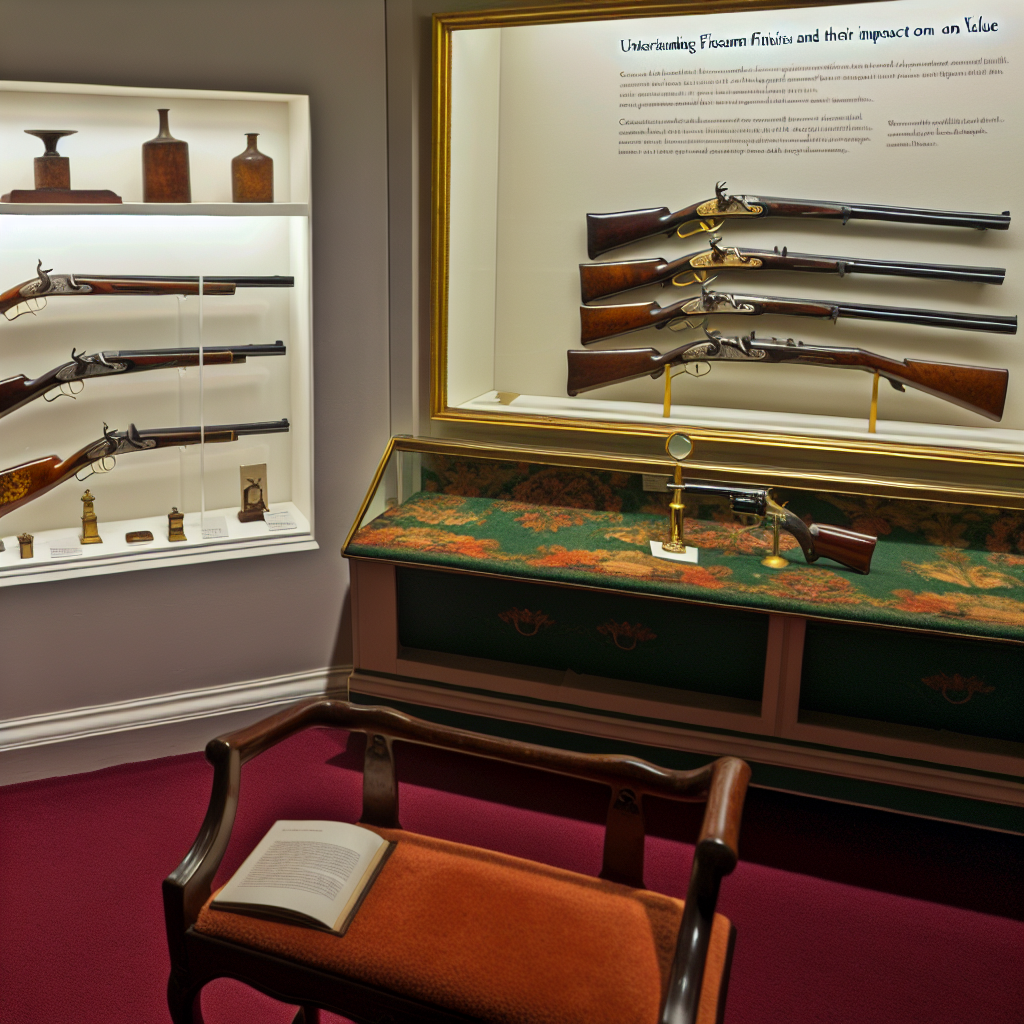
The finish of a firearm is more than just an aesthetic feature; it plays a crucial role in protecting the metal, influencing durability, and significantly affecting the firearm’s value. Whether you are a collector, enthusiast, or investor, understanding firearm finishes can provide deeper insight into the condition, history, and worth of your firearms. This article explores the various types of firearm finishes, their practical benefits, historical significance, and how they impact both market and collectible values.
The Basics of Firearm Finishes: Protection and Aesthetics
At its core, a firearm finish is a coating or treatment applied to the metal surfaces to protect them from corrosion, wear, and environmental damage. Finishes also contribute to the overall look of the weapon, ranging from glossy blued steel to matte stainless or even colorful cerakote patterns.
Firearm finishes can be broadly categorized into:
- Bluing: A traditional finish that provides mild rust resistance through controlled oxidation.
- Parkerizing: A phosphate coating that offers superior corrosion resistance compared to bluing.
- Stainless Steel: Not technically a finish but a type of steel alloy resistant to corrosion by nature.
- Nickel Plating: Provides a shiny protective layer with excellent corrosion resistance.
- Cerakote and Other Modern Coatings: Polymer-ceramic coatings offering high durability and customization options.
Each type has distinct characteristics that influence not only the firearm’s longevity but also its desirability among collectors and shooters alike.
Bluing: The Classic Finish with Historical Significance
Bluing has been one of the most common firearm finishes since the 19th century. The process involves creating a layer of magnetite (Fe3O4) on steel surfaces through controlled oxidation. This thin layer provides moderate protection against rust while giving firearms their characteristic deep blue-black appearance.
Why Bluing Matters:
- Historical Appeal: Many iconic firearms from the World Wars and early American hunting guns feature blued finishes. Collectors often seek original blued surfaces for authenticity.
- Value Impact: Well-maintained blued finishes generally add value due to their traditional look and preservation challenges over time.
- Wear Patterns: The thinning or loss of bluing due to use or poor maintenance can significantly reduce value.
A notable example is the M1 Garand rifle used extensively during World War II. Original M1 Garands with intact blued finishes fetch higher prices in collector markets than those refinished or heavily worn. According to recent auction data from Rock Island Auction Company, pristine M1 Garands with untouched blue are valued approximately 20-30% higher than comparable rifles with refinished or damaged surfaces.
Parkerizing: Durability Meets Utility
Parkerizing (or phosphating) emerged in the early 20th century as a response to the need for more durable firearm finishes suited for military use. This process creates a rougher matte surface by depositing iron or zinc phosphate crystals onto steel parts. The texture improves oil retention on the surface, enhancing corrosion resistance under harsh conditions.
Key Attributes of Parkerizing:
- Military Use: Widely used on US military rifles such as the M14 and M16 during mid-20th century conflicts like Korea and Vietnam.
- Improved Corrosion Resistance: Superior to bluing in wet environments or tropical climates where rust is rampant.
- Aesthetic Considerations: Typically matte gray or blackish color; less shiny but highly functional.
The collector market values parkerized firearms differently than blued ones. While parkerizing emphasizes function over form, original parkerized military rifles often command premium prices when preserved in unaltered condition. For example, original Vietnam War-era M16A1 rifles with intact parkerizing can fetch upwards of $3,000 depending on condition—demonstrating how finish integrity contributes directly to value.
Stainless Steel: The Modern Standard for Corrosion Resistance
Unlike traditional finishes applied post-manufacturing, stainless steel is an alloy designed for inherent corrosion resistance without additional coatings. Introduced widely in firearms manufacturing during the latter half of the 20th century, stainless steel revolutionized gun care by drastically reducing maintenance requirements related to rust prevention.
The Benefits of Stainless Steel Firearms Include:
- No Need for Additional Finish: Stainless steel itself resists rust due to chromium content forming an invisible oxide layer.
- Aesthetic Appeal: Offers a bright silver finish that appeals to many modern shooters and collectors seeking low-maintenance guns.
- Durability: Highly resistant to scratches and wear compared to traditional bluing or parkerizing.
A prominent example is the Smith & Wesson Model 686 revolver series made predominantly from stainless steel since its introduction in the late 1970s. These revolvers maintain strong resale values partly due to their corrosion-resistant construction paired with enduring popularity among law enforcement and civilian shooters alike.
Data from Gun Broker and other auction sites consistently show that firearms with superior finishes tend to fetch higher prices. This trend highlights the importance of understanding various firearm finishes when assessing value.
In conclusion, selecting the right finish not only affects the firearm’s maintenance but also its long-term value in the market.