How to Identify Matching Serial Numbers on Collectibles
Serial numbers play a crucial role in the world of collectibles, serving as unique identifiers that verify authenticity, provenance, and value. Whether you are a seasoned collector or a novice entering the market, understanding how to identify matching serial numbers can protect you from counterfeit items and enhance your collection’s credibility. This article delves into the importance of serial numbers, methods to identify matching ones, common challenges, and real-world examples to guide you through the process.
The Importance of Serial Numbers in Collectibles
Serial numbers act as the fingerprint of collectibles, distinguishing one item from another even within limited editions or mass production runs. They provide vital information about:
- Authenticity: Verifying that an item is genuine and not a counterfeit.
- Provenance: Establishing the history and ownership trail of the collectible.
- Value Determination: Items with matching or rare serial numbers often command higher prices.
- Quality Control: Allowing manufacturers and collectors to track defects or special editions.
For example, in high-end collectible toys like limited-edition Funko Pops or luxury watches such as Rolex, serial numbers can confirm that an item belongs to a specific production batch or series. In sports memorabilia, matching serial numbers can authenticate signed baseballs or jerseys linked to specific games or players.
Understanding Serial Number Formats Across Different Collectibles
The format and placement of serial numbers vary widely depending on the type of collectible. Recognizing these formats helps collectors identify matching serials more accurately. Here are some common formats:
- Numeric Only: A simple sequence of digits (e.g., 00123).
- Alphanumeric Codes: Combination of letters and numbers (e.g., SN-A12345).
- Date-Based Codes: Incorporating manufacturing dates (e.g., 2023-07-15001).
- Batch/Edition Indicators: Codes that specify limited edition runs (e.g., 25/500 indicates the 25th piece out of 500 produced).
The location of serial numbers is also important. Common placements include:
- The base or underside of figurines and sculptures.
- The back casing or movement area in watches.
- The inside label or tag for textiles like limited-edition clothing.
- The packaging box or certificate of authenticity accompanying the collectible.
A practical example is comic books. Modern comics often have issue numbers combined with print run codes printed near the barcode, which collectors use to identify first prints versus reprints—critical for valuation.
Techniques for Identifying Matching Serial Numbers
Identifying matching serial numbers requires a systematic approach combining visual inspection, documentation review, and technology-assisted verification. Here are key techniques collectors use:
1. Visual Comparison
This is the most basic method involving close examination of the serial numbers on items suspected to be related or authentic copies. Important factors include:
- Font Consistency: Genuine items often have uniform font style and size for their serials.
- Engraving Quality: Authentic engravings are usually clean and precise compared to counterfeit markings which might be blurry or uneven.
- Color Matching: The color tone used in printing or engraving should be consistent across all related items.
2. Cross-Referencing Documentation
If an item comes with certificates of authenticity (COA), invoices, receipts, or manufacturer databases, these documents often list serial numbers that can be cross-checked against the physical item. For example:
- A rare vinyl record may come with a numbered certificate matching its pressing number on the record label itself.
- An autographed basketball might include a hologram sticker with a unique code verifiable via an online registry maintained by sports memorabilia authenticators like PSA/DNA or JSA.
3. Using Technology Tools
The digital age has introduced tools that simplify verifying matching serial numbers:
- Mobile Apps & Scanners: Apps that scan QR codes or barcodes linked to official registries help verify authenticity instantly.
- Databases & Online Registries: Many brands maintain online databases where collectors input serials to check legitimacy (e.g., luxury watch brands like Patek Philippe).
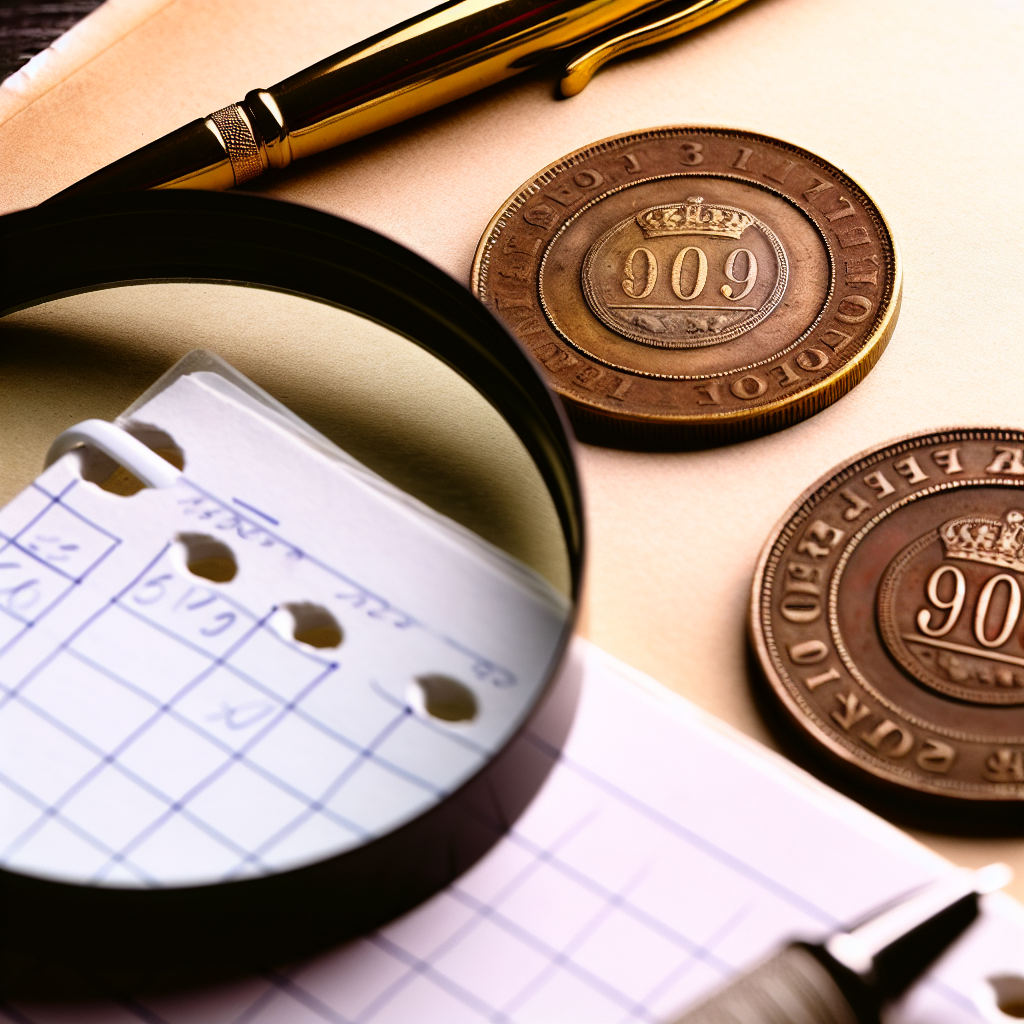
- Magnification Devices & Microscopes: For micro-engraved serials on jewelry or coins, magnification helps detect subtle differences missed by naked eyes.
Challenges in Matching Serial Numbers and How to Overcome Them
The process is not without hurdles. Collectors face various challenges when identifying matching serial numbers including:
- Deterioration Over Time: Wear and tear can make serials illegible on older collectibles.
- Tampering & Forgery: Skilled counterfeiters may alter existing serial numbers to deceive buyers.