Understanding the Differences Between Original and Reproduction Guns
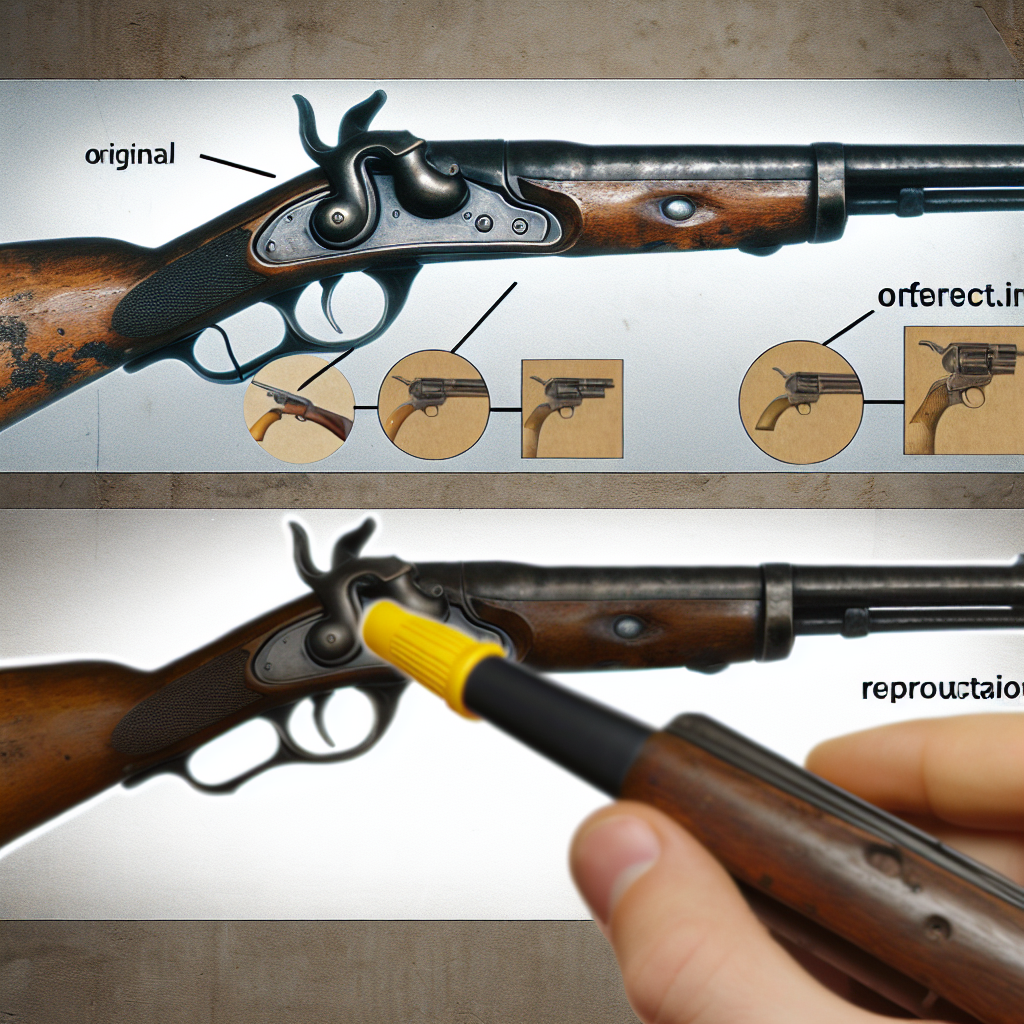
The world of firearms collecting and usage is vast, intricate, and steeped in history. Among enthusiasts, historians, and even casual shooters, the distinction between original and reproduction guns is a critical topic. Whether you are a collector seeking authenticity, a shooter looking for reliability, or an investor considering the value of firearms, understanding these differences can save you time, money, and potential disappointment.
This article explores the nuances between original and reproduction guns, highlighting their historical significance, manufacturing processes, legal implications, value considerations, and practical use cases. By delving into these aspects with examples and data-driven insights, readers will gain a comprehensive understanding of what sets originals apart from reproductions.
Defining Original Guns Versus Reproduction Guns
Before diving into the differences, it’s essential to define what constitutes an original firearm versus a reproduction.
- Original Guns: These are firearms manufactured during the period they were first introduced or used historically. For example, a Colt Single Action Army revolver produced in the late 19th century would be considered an original gun. These weapons carry historical provenance and often feature characteristics specific to their era.
- Reproduction Guns: These firearms are modern replicas of original guns. They are produced using contemporary manufacturing techniques but designed to mimic the appearance, function, and sometimes materials of historical models. Examples include Pietta or Uberti reproductions of Civil War-era revolvers or Winchester lever-action rifles.
While both types may appear similar at first glance, their origins and contexts vary significantly.
The Historical and Cultural Significance
Original firearms often serve as tangible links to pivotal moments in history. Their cultural importance stems from their direct association with significant events such as wars, exploration periods, or law enforcement milestones.
For instance:
- The Colt 1860 Army Revolver, widely used during the American Civil War, represents technological advancement in firearm design at that time.
- The Mosin-Nagant rifle, originally issued to Russian troops during World War I and II, carries stories of global conflict and endurance.
- The Mauser Model 98, developed in Germany in 1898 and used extensively through two world wars, showcases precision engineering that influenced modern rifles.
Owning such originals means holding a piece of history — often with marks of wear from actual use or battle scars that tell stories beyond words.
Conversely, reproduction guns serve primarily educational or recreational purposes:
- Living History: Reproductions allow reenactors to accurately portray historical figures without risking damage to priceless artifacts.
- Shooting Sports: Many reproductions are built for durability and safe use in shooting competitions or hunting while maintaining historical aesthetics.
- Entry-Level Collecting: They provide an affordable way for novices to experience owning historically styled firearms without high investment risk.
Manufacturing Processes: Then Versus Now
The manufacturing methods between original firearms and reproductions differ considerably due to technological evolution over decades or centuries.
Original Gun Production Techniques
In earlier eras — typically from the mid-19th century through early 20th century — firearms were crafted using labor-intensive processes. Components were often hand-fitted by skilled gunsmiths. Techniques included:
- Breech-loading mechanisms: Innovations like rotating cylinders for revolvers required precise machining done largely by hand tools or rudimentary machines.
- Forging and casting parts: Metal components were shaped using hammers or molds before refinement.
- Pistol grips and stocks: Made from wood selected manually for grain quality; finished by hand sanding and staining.
- Screw fitting: Parts were individually adjusted ensuring tight tolerances but with minor variability across units due to manual work.
This craftsmanship results in subtle differences between identical models — something highly prized among collectors who value uniqueness as well as authenticity.
Reproduction Gun Manufacturing Today
Modern reproductions leverage advanced machinery such as CNC (Computer Numerical Control) milling machines that create uniform components with extreme precision. Some notable differences include:
- Milled steel parts: Modern metals are treated for enhanced strength and corrosion resistance compared to historic iron alloys.
- Synthetic materials: Some reproductions incorporate plastics or composite stocks instead of traditional wood for durability (though many premium reproductions maintain wood).
- Tight tolerances with interchangeability: Parts are made consistent enough to be swapped easily between units — unlike most originals where parts had unique fits.
- Improved finishing techniques: Modern bluing or parkerizing methods improve longevity while mimicking historic finishes aesthetically.
This blend of old design with new technology results in firearms that look authentic yet offer enhanced reliability for modern users — though sometimes at the expense of “period-correct” manufacturing quirks valued by purists.
Legal Considerations Surrounding Originals vs. Reproductions
Laws governing ownership, transfer
and use of original versus reproduction firearms can vary significantly by jurisdiction, making it essential for collectors and enthusiasts to understand local regulations. In summary, while both original and reproduction guns have their unique appeals, the choice ultimately depends on personal preference and intended use.