How to Preserve and Maintain Your Vintage Guns
Vintage guns are more than just firearms; they are treasured pieces of history, craftsmanship, and heritage. Whether inherited from a family member, acquired as an investment, or collected for their historical significance, vintage guns require meticulous care to preserve their value and functionality. Proper maintenance not only safeguards their physical condition but also ensures they remain safe to handle for generations to come.
In this comprehensive guide, we will explore essential strategies and best practices for preserving and maintaining vintage firearms. From cleaning techniques to storage tips, we’ll provide you with the knowledge needed to protect these valuable artifacts.
Understanding the Importance of Proper Preservation
Before diving into maintenance techniques, it’s vital to understand why preserving vintage guns demands special attention compared to modern firearms. Vintage guns often feature unique materials, finishes, and mechanical designs that are susceptible to damage from improper handling or environmental factors.
Historical Value and Rarity:
- Many vintage firearms date back over a century and can be exceedingly rare, with some models produced in limited quantities.
- The historical context adds significant cultural and monetary value; for example, Civil War-era muskets or World War I rifles can fetch high prices at auctions.
Fragility of Original Materials:
- Older firearms may use wood stocks prone to cracking or warping if exposed to moisture or extreme temperatures.
- The metal components might have patinas or delicate bluing that can be damaged by harsh chemicals or abrasive cleaning methods.
Safety Concerns:
- Deterioration of parts such as springs or barrels could lead to unsafe conditions if the firearm is used without proper inspection.
- Ensuring functional integrity requires regular checks by qualified gunsmiths familiar with antique mechanisms.
According to a survey by the National Rifle Association (NRA), approximately 20% of firearm collectors have experienced accidental damage due to improper maintenance practices. This statistic underscores the importance of informed care when handling vintage guns.
Cleaning Your Vintage Firearms: Best Practices
Cleaning is arguably the most critical aspect of gun maintenance. However, vintage guns require a gentler approach than modern weapons because harsh solvents or aggressive scrubbing can irreversibly damage finishes and markings.
Step-by-Step Cleaning Guide
- Disassemble Carefully: Refer to manufacturer manuals or consult experts before disassembling your firearm. Many vintage guns have fragile components that can break if forced.
- Use Appropriate Cleaning Agents: Avoid modern chemical solvents designed for tactical firearms; instead, opt for gentle oils like mineral oil or specialized products formulated for antiques.
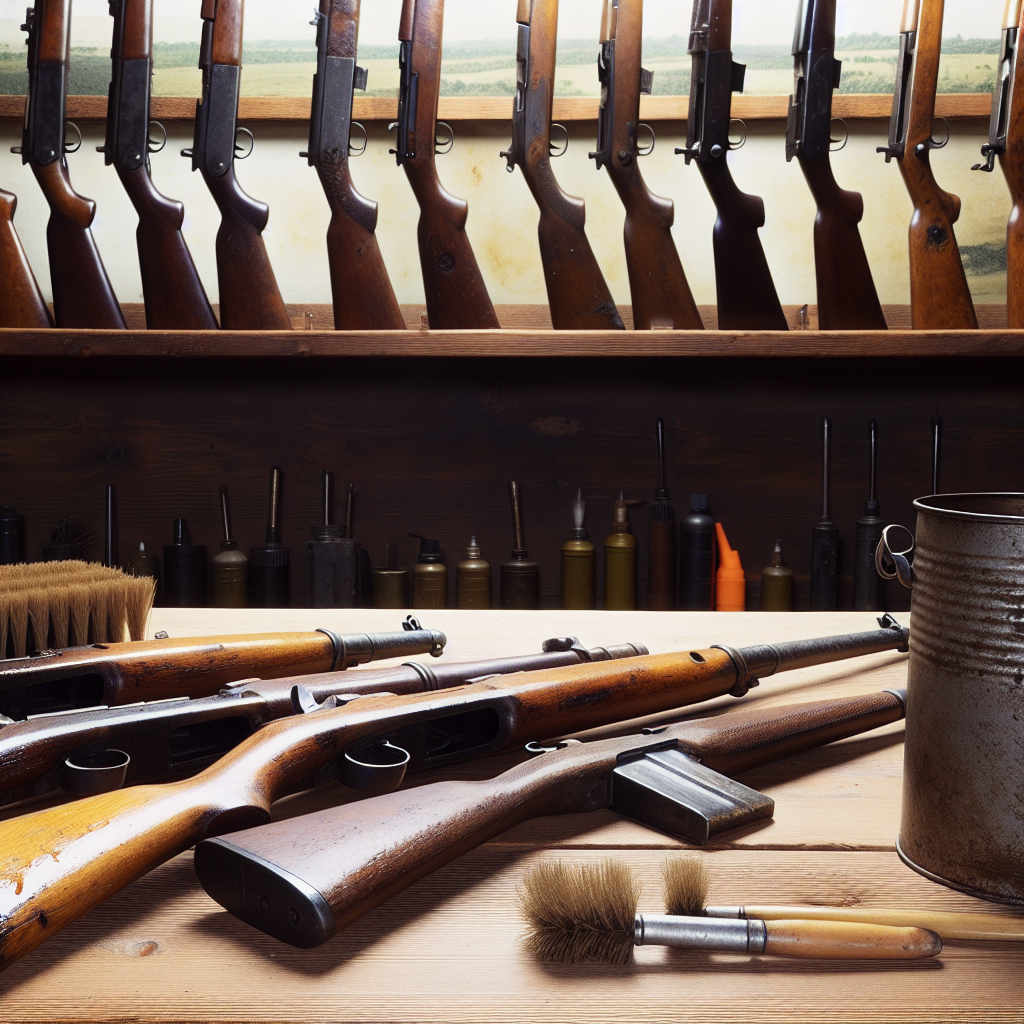
- Remove Dirt and Residue: Use soft cloths or cotton swabs dipped in cleaning oil to gently wipe metal surfaces. Avoid steel wool or abrasive pads which can scratch the finish.
- Treat Wooden Stocks with Care: Clean wood parts with a damp cloth (not soaked) followed by application of high-quality wood conditioners like linseed oil specifically made for gunstocks.
- Check for Rust: If rust appears, carefully remove it using non-abrasive methods such as fine-grade bronze wool lightly oiled. Consult professionals if rust is extensive.
A notable case study involves a Winchester Model 1894 rifle restored by a collector who followed these steps meticulously. By avoiding harsh chemicals and using gentle cleaning techniques over six months, the rifle retained its original finish and increased in value by over 15% according to appraisal reports from Rock Island Auction Company.
The Role of Proper Lubrication and Mechanical Maintenance
Lubrication prevents wear on moving parts but over-lubricating can attract dust and grime which accelerate deterioration. Vintage guns often rely on older mechanical systems that need particular attention.
- Select Suitable Lubricants: Use light oils designed specifically for antique firearms rather than heavy modern grease which can gum up mechanisms over time.
- Avoid Excessive Application: Apply thin layers sparingly on pivot points like triggers, hammers, and bolts only after cleaning dirt away.
- Regular Mechanical Checks: Periodically inspect springs, screws, firing pins, and barrels for signs of wear or corrosion. Replace worn parts with original manufacturer components if available.
The importance of mechanical upkeep was highlighted in a report published by the Journal of Gun Collecting where an antique Colt revolver was rendered inoperable due to neglected lubrication causing seized internal components. After careful disassembly and professional servicing including proper lubrication protocols, the revolver functioned smoothly again without compromising its originality.
Optimal Storage Conditions for Vintage Firearms
The environment in which you store your vintage guns plays a crucial role in their longevity. Improper storage leads to rusting metals, cracked woodstocks, mold growth on leather slings, and fading finishes.
Key Factors for Storage
- Control Humidity Levels: Aim for relative humidity between 40-50%. Too much moisture accelerates rust while extremely dry air causes wooden stocks to shrink or crack.
-
Avoid Direct Sunlight: Prolonged exposure to sunlight can fade finishes and degrade materials over time. Use a dedicated gun safe or cabinet that offers protection from UV rays.
By following these guidelines, you can ensure your vintage firearms remain in excellent condition for years to come.