How to Choose Tactical Gloves for Different Uses
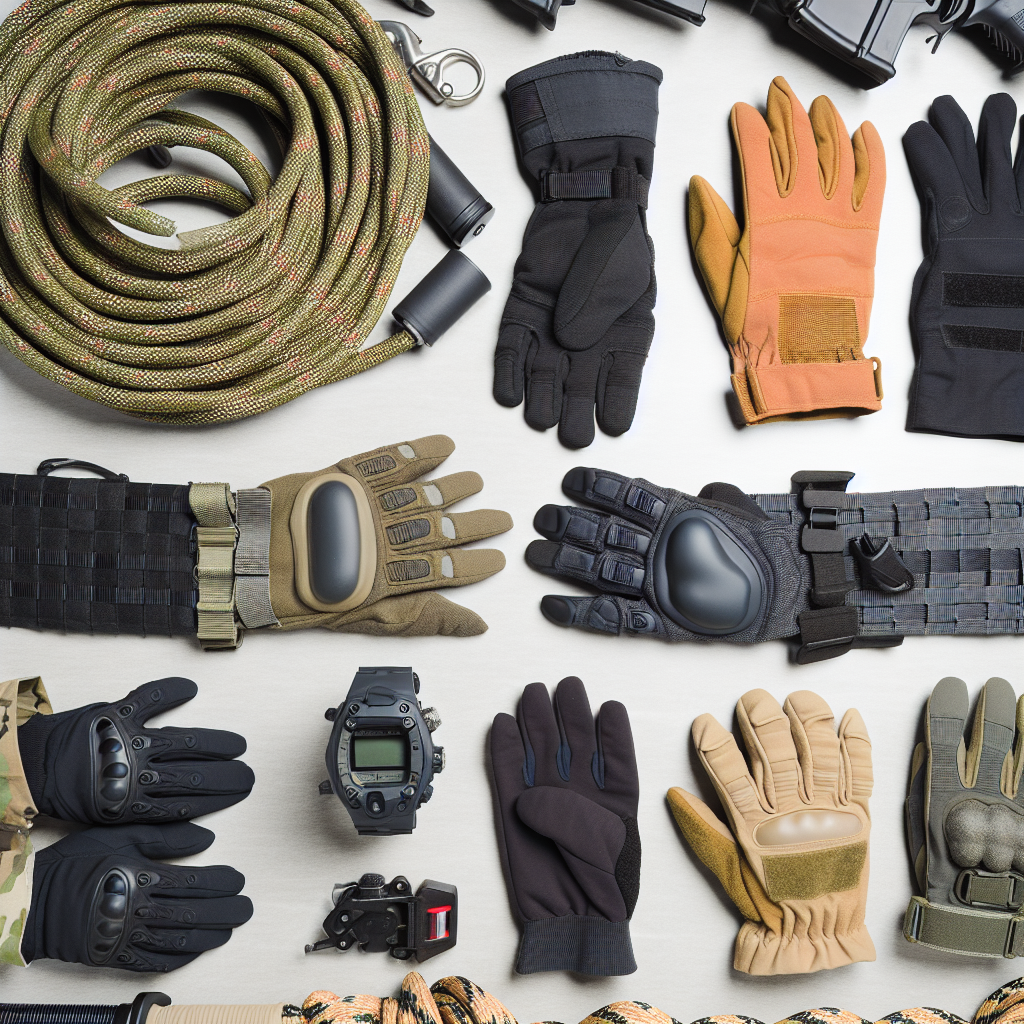
Tactical gloves are an essential piece of gear for professionals and enthusiasts across various fields, including military personnel, law enforcement officers, outdoor adventurers, and even construction workers. They provide critical hand protection, enhance grip, improve dexterity, and can sometimes offer ballistic or cut resistance depending on their design. However, with the myriad of options available on the market, selecting the right tactical gloves can be a daunting task.
This comprehensive guide will help you navigate through the key considerations when choosing tactical gloves tailored for different uses. Whether you need gloves for combat scenarios, shooting sports, heavy-duty work, or outdoor activities, understanding the materials, features, and intended application will empower you to make an informed decision.
Understanding the Purpose of Tactical Gloves
Before diving into glove specifications and designs, it’s crucial to identify the primary purpose of your tactical gloves. The needs of a SWAT officer differ vastly from those of a rock climber or a mechanic. The right glove must align with your specific use case to maximize performance and safety.
- Military and Law Enforcement: Require gloves that offer protection against abrasions, cuts, burns, and sometimes ballistic threats while maintaining high dexterity for weapon handling and equipment use.
- Shooting Sports: Focus on enhancing grip and trigger control while providing comfort during prolonged use.
- Outdoor Activities (Hiking, Climbing): Need durable gloves that protect from environmental hazards like thorns or cold weather without compromising flexibility.
- Industrial and Heavy-Duty Work: Demand gloves resistant to cuts, impacts, chemicals, and extreme conditions with reinforced padding in high-wear areas.
According to a report by Grand View Research in 2023, the global tactical gloves market is projected to grow at a CAGR of 7.4% through 2030 due to increasing demand from defense sectors worldwide. This trend underscores the importance of selecting specialized gloves that meet evolving operational requirements.
Key Features to Consider When Choosing Tactical Gloves
The performance of tactical gloves hinges on several critical features. Understanding these will allow you to prioritize what matters most for your particular use case.
Material Composition
The choice of materials affects durability, protection level, breathability, and comfort. Common materials include:
- Kevlar: Known for its cut resistance and heat resistance; often used in gloves designed for protection against sharp objects or flames.
- Leather: Offers excellent abrasion resistance and durability; popular in work gloves but less breathable than synthetic fabrics.
- Synthetic Fabrics (Nylon, Spandex): Provide flexibility, breathability, and lightweight feel; often combined with other materials for reinforcement.
- Synthetic Leather (Clarino): Mimics leather’s durability but offers improved water resistance and flexibility.
- Cordura® Nylon: Extremely durable fabric resistant to tears and scuffs; commonly used in tactical gear.
Protection Level
The protection level varies significantly based on intended use:
- Cut Resistance: Vital for those handling sharp tools or engaging in close-quarters combat. Look for ANSI/ISEA cut ratings if available.
- Abrasion Resistance: Important for outdoor activities involving rough surfaces like rock climbing or tactical operations in urban environments.
- Puncture Resistance: Needed in environments where sharp objects pose a threat—such as law enforcement dealing with broken glass or barbed wire obstacles.
- Impact Protection: Some tactical gloves feature padded knuckles or finger guards made from thermoplastic rubber (TPR) or carbon fiber to absorb shocks during hand-to-hand combat or heavy labor.
Dexterity and Fit
A critical factor often overlooked is how well the glove fits. Gloves that are too bulky can hinder fine motor skills necessary for weapon handling or precise tool use. Key points include:
- A snug fit without restricting blood flow ensures comfort during extended wear.
- Synthetic stretch panels can improve flexibility around finger joints.
- Tactile fingertips enable better control over small objects such as triggers or electronic devices.
Grip Enhancement
Tactical gloves often incorporate special coatings on the palm and fingers to improve grip under wet or oily conditions. Common coatings include silicone dots or textured synthetic leather patches. For example:
- Shooting sports participants benefit greatly from enhanced grip surfaces that prevent slippage when handling firearms under stress.
- Certain military models also feature reinforced palms designed to withstand rope climbing or vehicle operation without losing traction.
Tactical Gloves for Specific Uses: A Detailed Breakdown
The following sections explore glove recommendations based on specific applications backed by real-world examples and case studies where applicable.
Tactical Gloves for Military & Law Enforcement Use
The dynamic nature of military operations demands versatile gloves capable of protecting hands while maintaining mobility. Key considerations include high abrasion resistance combined with impact protection on knuckles since these may encounter blunt trauma during combat situations.
A notable example is the use of specialized gloves by SWAT teams, which often require both dexterity and protection during high-stakes operations.
Choosing the right tactical gloves can significantly enhance performance and safety across various applications.