How to Use Tactical Flashlights for Search and Rescue
In the realm of search and rescue (SAR) operations, every tool can mean the difference between life and death. Among these tools, tactical flashlights stand out as indispensable devices that enhance visibility, improve safety, and facilitate effective communication in challenging environments. This article delves into how tactical flashlights can be optimally used during search and rescue missions, highlighting their features, practical applications, and best practices to maximize their potential.
Understanding Tactical Flashlights: Features That Matter in SAR
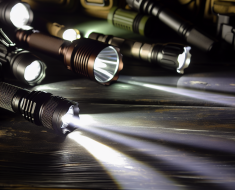
Tactical flashlights are designed with durability, brightness, and functionality in mind. Unlike conventional flashlights, they are built to withstand extreme conditions and deliver reliable performance when it matters most. Understanding their key features is essential for SAR professionals to select and use them effectively.
- Brightness (Lumens): Tactical flashlights typically range from 200 to over 1000 lumens. High brightness is critical for illuminating vast or rugged terrains during night searches.
- Beam Distance and Focus: The ability to adjust the beam focus—from a wide floodlight to a narrow spotlight—allows rescuers to scan broad areas or pinpoint specific locations.
- Durability: Most tactical flashlights are constructed from aircraft-grade aluminum or reinforced polymers, making them shock-resistant and weatherproof (IPX7 or higher ratings).
- Battery Life: Extended battery life ensures sustained operation during prolonged searches. Rechargeable lithium-ion batteries with power indicators are highly preferred.
- Strobe and SOS Modes: These modes serve as signaling tools to attract attention or communicate distress without verbal interaction.
- Ergonomics and Mounting Options: Tactical flashlights often feature grip-friendly designs, lanyard holes, and compatibility with helmet or weapon mounts for hands-free use.
A 2022 survey conducted by the National Search and Rescue Association found that over 85% of professional SAR teams consider flashlight durability and multi-mode functionality as top priorities when choosing tactical lighting equipment.
The Role of Tactical Flashlights in Enhancing Visibility During SAR Operations
Visibility is paramount in search and rescue missions, especially during nighttime or low-visibility conditions such as fog, rain, or dense forests. Tactical flashlights provide powerful illumination that aids rescuers in navigating challenging terrain safely while searching for victims.
Navigating Difficult Terrain:
The adjustable beam focus allows rescuers to switch between wide-angle beams for scanning large areas quickly and focused beams for inspecting specific points like crevices or tree branches where a victim might be trapped. For example, in a mountainous rescue operation in Colorado in 2021, SAR teams credited their use of high-lumen tactical flashlights with locating an injured hiker trapped under fallen debris within two hours—significantly faster than previous similar rescues using standard lighting equipment.
Avoiding Hazards:
Tactical flashlights also help identify potential hazards such as unstable rocks, wildlife, or hidden obstacles. Their robust construction means they can be used to tap surfaces or clear debris without fear of damage—an advantage not offered by regular handheld lights.
Signaling and Communication: Tactical Flashlight Techniques
Apart from illumination, tactical flashlights serve as vital signaling devices during SAR operations. Whether communicating silently across distances or attracting attention from aerial support units, knowing how to use flashlight signals effectively is crucial.
- Morse Code Signaling: Rescuers trained in Morse code can use strobe or SOS modes on their tactical flashlights to send coded messages over long distances without verbal communication.
- SOS Signal: The universal distress signal (three short flashes, three long flashes, three short flashes) can be emitted using the flashlight’s dedicated SOS mode or manually via button presses.
- Directional Signaling: Flashlight beams can be directed towards search helicopters or drones equipped with night vision to mark victim locations or safe landing zones.
An illustrative case is the successful rescue of two lost climbers in New Zealand’s Southern Alps in 2019. After days without contact, one climber used his tactical flashlight’s SOS mode intermittently at night which was detected by a helicopter crew using infrared sensors—leading directly to their swift extraction.
Best Practices for Using Tactical Flashlights in Search and Rescue Missions
Effective use of tactical flashlights requires not only understanding their features but also adopting best practices tailored for demanding SAR environments. Below are some essential tips based on field experience and expert recommendations:
- Always Carry Backup Batteries: Even with rechargeable models, carrying extra batteries ensures uninterrupted illumination during extended operations.
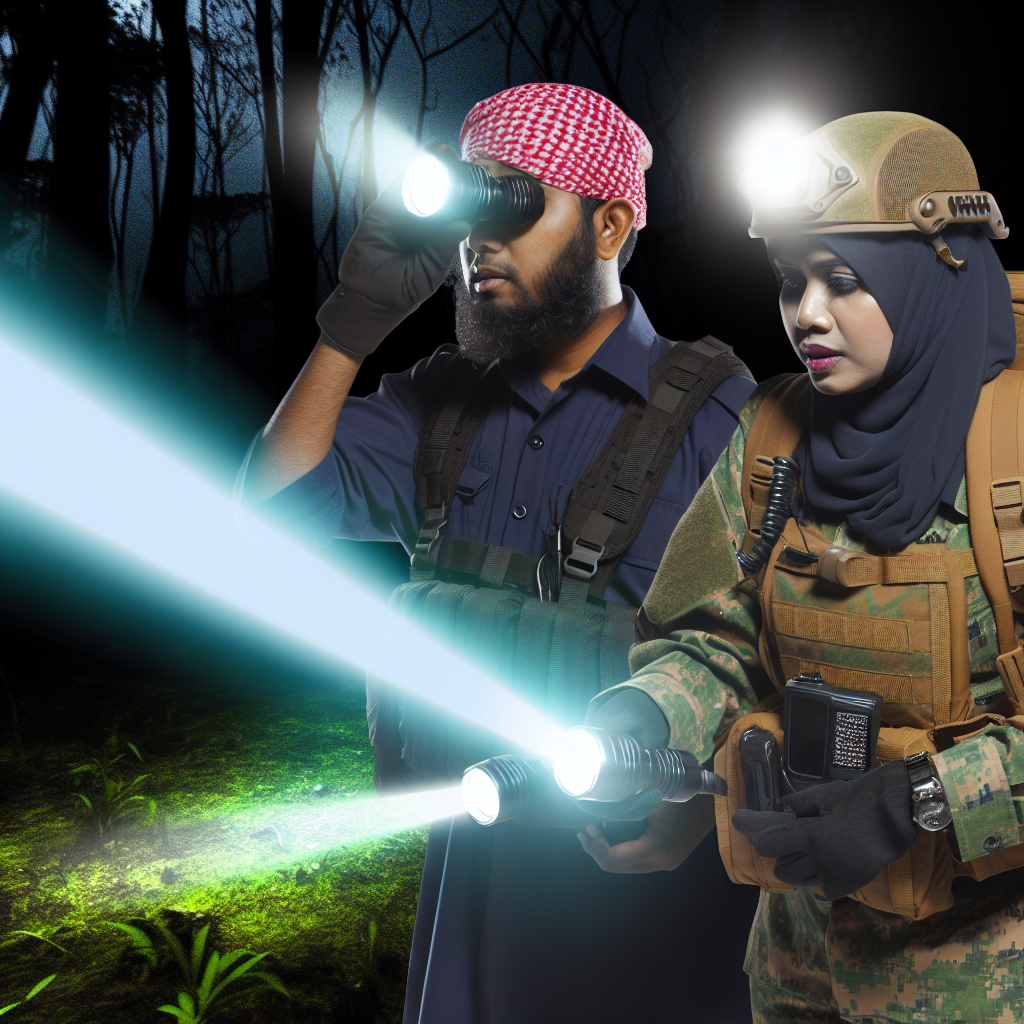
- Use Hands-Free Options When Possible: Helmet mounts or chest harnesses allow rescuers to keep both hands free for climbing or administering first aid while maintaining consistent lighting.
- Avoid Overuse of Maximum Brightness Modes: While tempting to use full power constantly, doing so drains batteries quickly. Instead, switch between brightness levels based on immediate needs.
- Cautiously Use Strobe Modes Around Victims: Some individuals may become disoriented by flashing lights; strobe should primarily be reserved for signaling rather than continuous illumination near victims.
By following these guidelines, rescuers can effectively utilize tactical flashlights to enhance their search and rescue operations, ensuring safety and efficiency in critical situations.