Tactical Use of Smoke Grenades: What You Need to Know
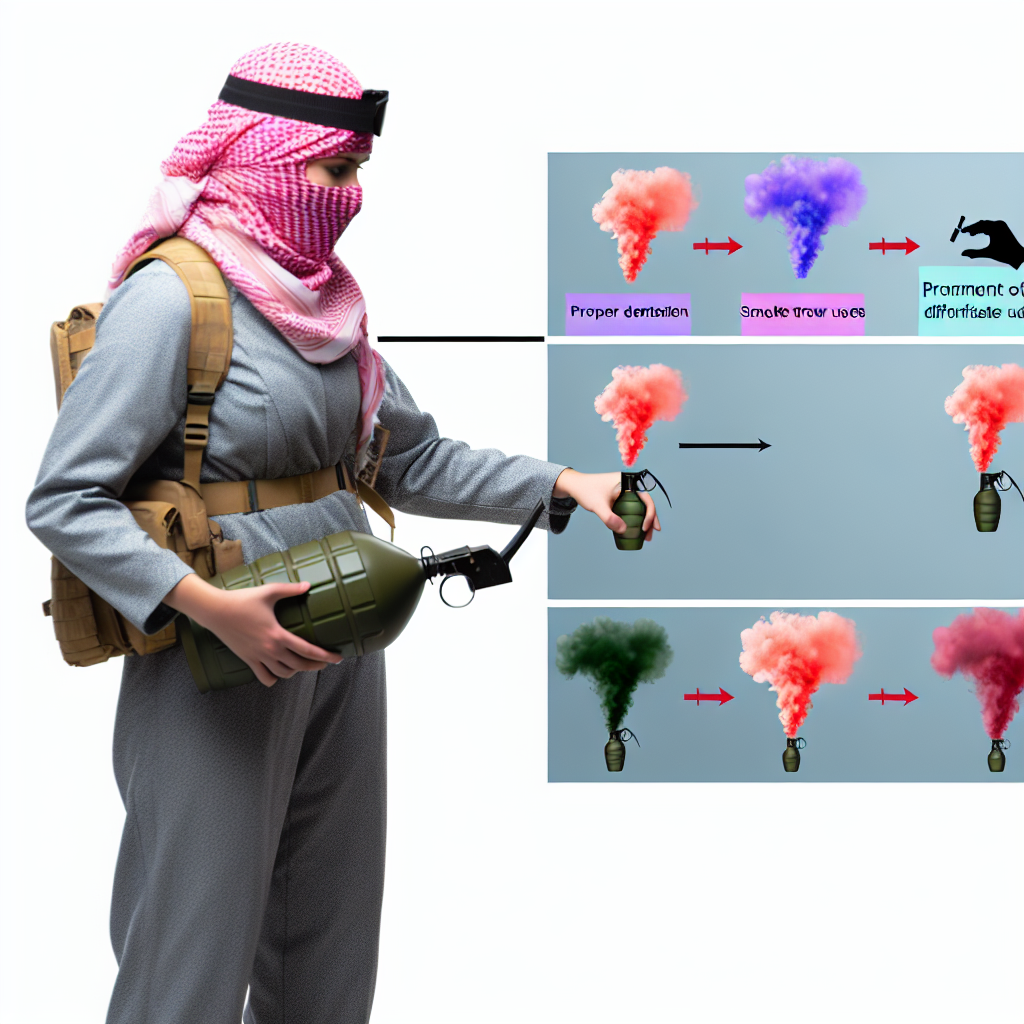
Smoke grenades have long been a critical tool in military, law enforcement, and tactical operations. Their ability to provide concealment, signal allies, and disrupt enemy vision makes them invaluable in various combat and strategic scenarios. However, effective use of smoke grenades requires an understanding of their types, deployment techniques, and tactical applications. This article dives deep into the tactical use of smoke grenades, offering a comprehensive guide for enthusiasts, professionals, and anyone interested in modern combat tactics.
Understanding Smoke Grenades: Types and Mechanisms
Before exploring tactical applications, it’s essential to understand what smoke grenades are and how they function. Smoke grenades are non-lethal devices designed to emit a dense cloud of smoke when activated. They serve multiple purposes such as obscuring movement, marking positions, or signaling.
There are two primary categories of smoke grenades:
- Colored Smoke Grenades: These produce vibrant colored smoke (red, green, yellow, blue) used mainly for signaling and marking targets or locations. They are often used by military forces to designate landing zones or rally points.
- White Smoke Grenades: These generate thick white smoke designed primarily for concealment purposes. They obscure vision effectively and are commonly used during assaults or retreats.
The mechanism typically involves a chemical composition that ignites and produces smoke through a controlled reaction. The duration of smoke emission varies but usually lasts between 20 to 90 seconds depending on the model.
The Tactical Advantages of Smoke Grenades
Smoke grenades offer several tactical advantages that can turn the tide in combat or emergency situations. Understanding these advantages helps operators decide when and how to deploy them effectively.
- Visual Concealment: The primary function is obscuring the operator’s movements from enemy observation. This is crucial during offensive advances, withdrawals, or repositioning under fire.
- Signaling and Communication: Colored smoke serves as a non-verbal communication tool on chaotic battlefields where radio silence is maintained or electronic communication is compromised.
- Distraction and Confusion: Deploying smoke can disorient opponents by blocking their line of sight and creating hesitation or misjudgment.
- Area Denial: In some cases, smoke can be used to deny enemy access to specific routes or choke points by reducing visibility drastically.
A notable example comes from the Battle of Mogadishu (1993), where US Army Rangers employed white smoke grenades extensively to cover their withdrawal under intense fire, demonstrating the life-saving potential of proper smoke deployment under pressure.
Effective Deployment Techniques for Smoke Grenades
The effectiveness of a smoke grenade largely depends on how it is deployed. Improper use can lead to wasted resources or even jeopardize the user’s position. Here are some key deployment techniques:
- Assess Wind Direction and Speed: Smoke disperses quickly with strong winds; therefore, operators must account for weather conditions before throwing the grenade to ensure maximum coverage.
- Select Optimal Placement: Throwing a grenade too far from the intended area might render it ineffective. Ideally, it should land within the path where concealment is needed most—such as between the user’s position and enemy observation points.
- Create Multiple Layers of Smoke: For prolonged concealment or greater coverage areas, deploying several grenades at staggered intervals can maintain continuous visual obstruction.
- Avoid Friendly Fire Hazards: Operators must ensure that teammates are aware of the deployment zones since dense smoke can also hinder friendly movements if not coordinated properly.
A case study from urban warfare in Syria highlighted how insurgent groups combined multiple smoke grenades with coordinated movement tactics to evade superior surveillance technology used by government forces—a testament to effective deployment planning under complex conditions.
Tactical Scenarios Where Smoke Grenades Shine
The tactical versatility of smoke grenades becomes apparent when examining specific scenarios where their use has proven crucial. Below are common situations where these devices make significant impacts:
- Covering Assaults and Advancing Positions: Teams moving into hostile zones use white smoke clouds to obscure their approach from snipers or surveillance drones.
- Facilitating Medical Evacuations: In battlefield medicine, teams deploy colored smoke signals (often orange or red) to mark casualty evacuation points for helicopters or ground vehicles safely extracting wounded personnel.
- Evasion During Retreats: When units need to disengage rapidly under fire, smokescreens enable them to withdraw without becoming easy targets for enemies tracking movement visually.
- Crowd Control and Riot Situations: Law enforcement uses colored smoke as part of non-lethal crowd dispersal tactics combined with tear gas for creating confusion among protestors without causing lethal harm.
The Vietnam War also offers numerous examples where US forces relied heavily on smoke grenades during jungle warfare operations—masking troop movements from guerilla fighters who excelled at ambush tactics within dense foliage environments.
The Limitations and Risks Associated with Smoke Grenade Use
No tactical tool is without its limitations.
Understanding these risks ensures operators maximize the effectiveness of smoke grenades while minimizing potential hazards to themselves and others. Proper training and situational awareness are key to successful deployment.