The Ultimate Guide to Concealed Carry for Beginners
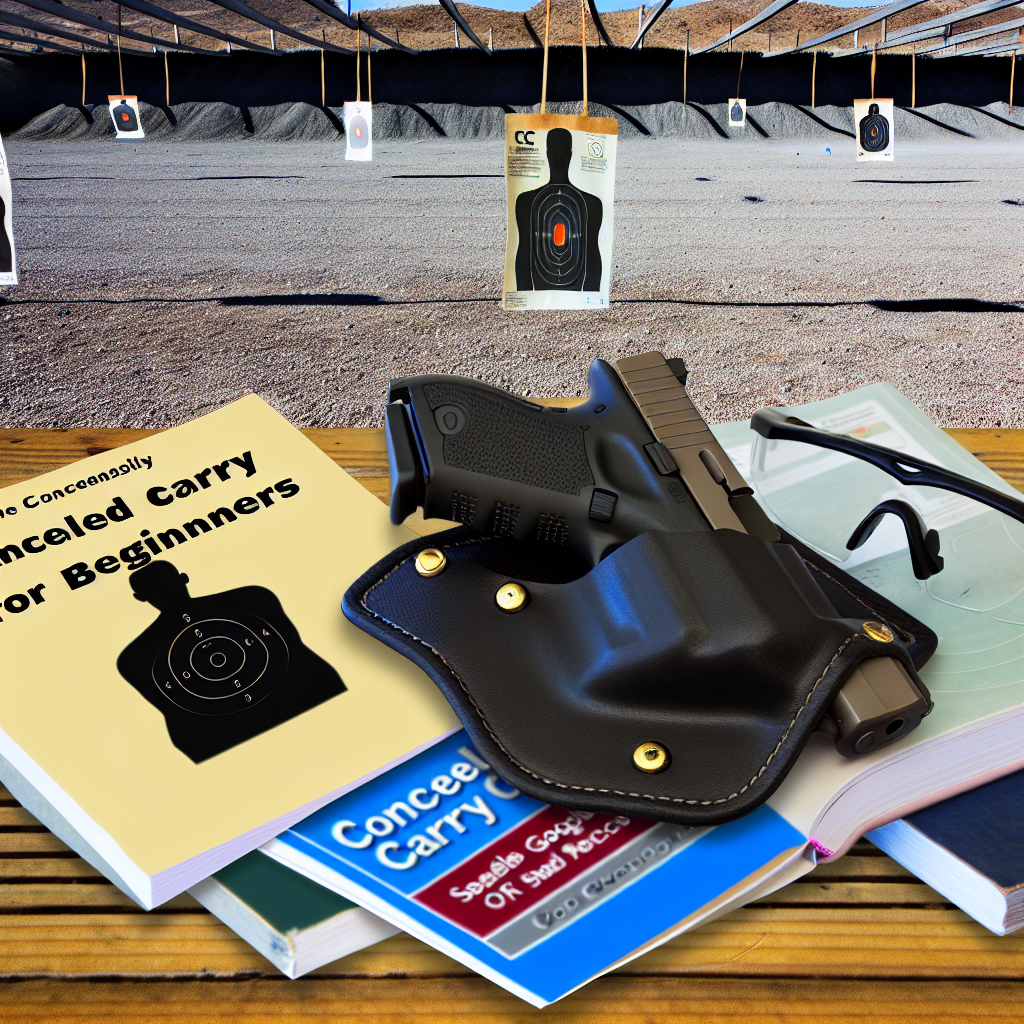
Concealed carry has become an increasingly popular means of personal protection across the United States and other parts of the world. For beginners, the concept might seem overwhelming, from choosing the right firearm to understanding legal responsibilities and mastering safe handling techniques. This comprehensive guide aims to demystify the process and provide new concealed carriers with the essential knowledge they need to carry confidently, safely, and legally.
Understanding Concealed Carry: What It Means and Why It Matters
Concealed carry refers to the practice of carrying a firearm in a hidden manner on one’s person or in close proximity, typically for self-defense purposes. Unlike open carry, where a firearm is visible to others, concealed carry prioritizes discretion.
The appeal of concealed carry is rooted in personal safety. According to a 2020 report by the Crime Prevention Research Center, there are approximately 19 million concealed handgun permit holders in the U.S., a number that has been steadily rising over the past decade. Many advocates argue that responsible concealed carry can reduce crime rates by empowering law-abiding citizens to protect themselves.
However, it’s critical for beginners to understand that carrying concealed is not just about having a gun; it requires a commitment to education, practice, and legal compliance.
Legal Considerations: Navigating Laws and Permits
Before purchasing or carrying a concealed firearm, understanding local, state, and federal laws is paramount. Firearm regulations vary widely across jurisdictions, impacting what types of weapons you can carry, where you can carry them, and how you must store them.
- Permit Requirements: Most states require a permit or license for concealed carry. These permits often involve background checks, fingerprinting, and sometimes classroom instruction or live-fire training.
- Reciprocity: Some states recognize permits from others (known as reciprocity), but this is not universal. Always check if your permit is valid when traveling across state lines.
- Restricted Areas: Common places where firearms are prohibited include schools, government buildings, private businesses that ban firearms, and certain public events.
- Use of Force Laws: Understanding when it is legally justified to use your firearm in self-defense is critical. These laws vary by state and can affect criminal liability and civil suits.
A notable example includes Florida’s “Stand Your Ground” law which allows individuals to use deadly force without retreating if they reasonably believe it necessary to prevent death or great bodily harm. In contrast, other states emphasize a “duty to retreat” before using deadly force when safely possible.
Choosing Your First Concealed Carry Firearm
Selecting the right firearm is one of the most important decisions for any beginner. The ideal gun should be reliable, comfortable to carry all day, easy to operate under stress, and suitable for your level of experience.
- Semi-Automatic Pistols vs. Revolvers: Semi-automatics offer higher capacity magazines but can be more complex mechanically. Revolvers are simpler but usually hold fewer rounds.
- Caliber Selection: Common calibers like 9mm are favored due to manageable recoil and effective stopping power. Other calibers such as .380 ACP or .45 ACP have their own advantages but may be less beginner-friendly.
- Size & Weight: Compact or subcompact models are preferred for concealment since they fit more easily under clothing without printing (showing an outline).
- Shooting Comfort & Accuracy: Trying different models at a shooting range can help determine what feels best in your hand and what you can shoot accurately.
A case study from the National Shooting Sports Foundation found that new shooters who trained with smaller caliber pistols such as the Glock 19 (9mm) had higher retention rates and confidence compared with those starting on larger calibers.
The Importance of Training: Building Skills Beyond Just Owning a Gun
Purchasing a firearm is only the first step; ongoing training ensures you know how to handle it safely and effectively under pressure. Many beginners underestimate how quickly adrenaline can impair fine motor skills during real-life confrontations.
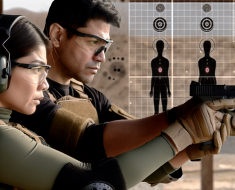
- Basic Firearm Safety: Always treat every gun as if it’s loaded; keep your finger off the trigger until ready to shoot; never point it at anything you don’t intend to destroy; be aware of your target and what lies beyond it.
- Shooting Fundamentals: Proper stance, grip, sight alignment, trigger control, and breathing techniques improve accuracy significantly.
- Drawing from Concealment: Practice drawing your weapon smoothly from your holster while maintaining situational awareness—this skill is essential in emergencies where seconds count.
- Defensive Shooting Courses: Many ranges offer scenario-based training that simulates real-world encounters involving multiple assailants or low-light conditions.
A survey conducted by Pew Research Center showed that nearly 60% of gun owners who regularly train felt more confident about their ability to defend themselves compared with those who did not train regularly.
Selecting Appropriate Concealed Carry Gear: Holsters & Accessories
The right gear complements your firearm choice by enhancing comfort and accessibility while maintaining concealment.